Notes from the Inkpot
Writing, teaching, creating - one ink-stained idea at a time.



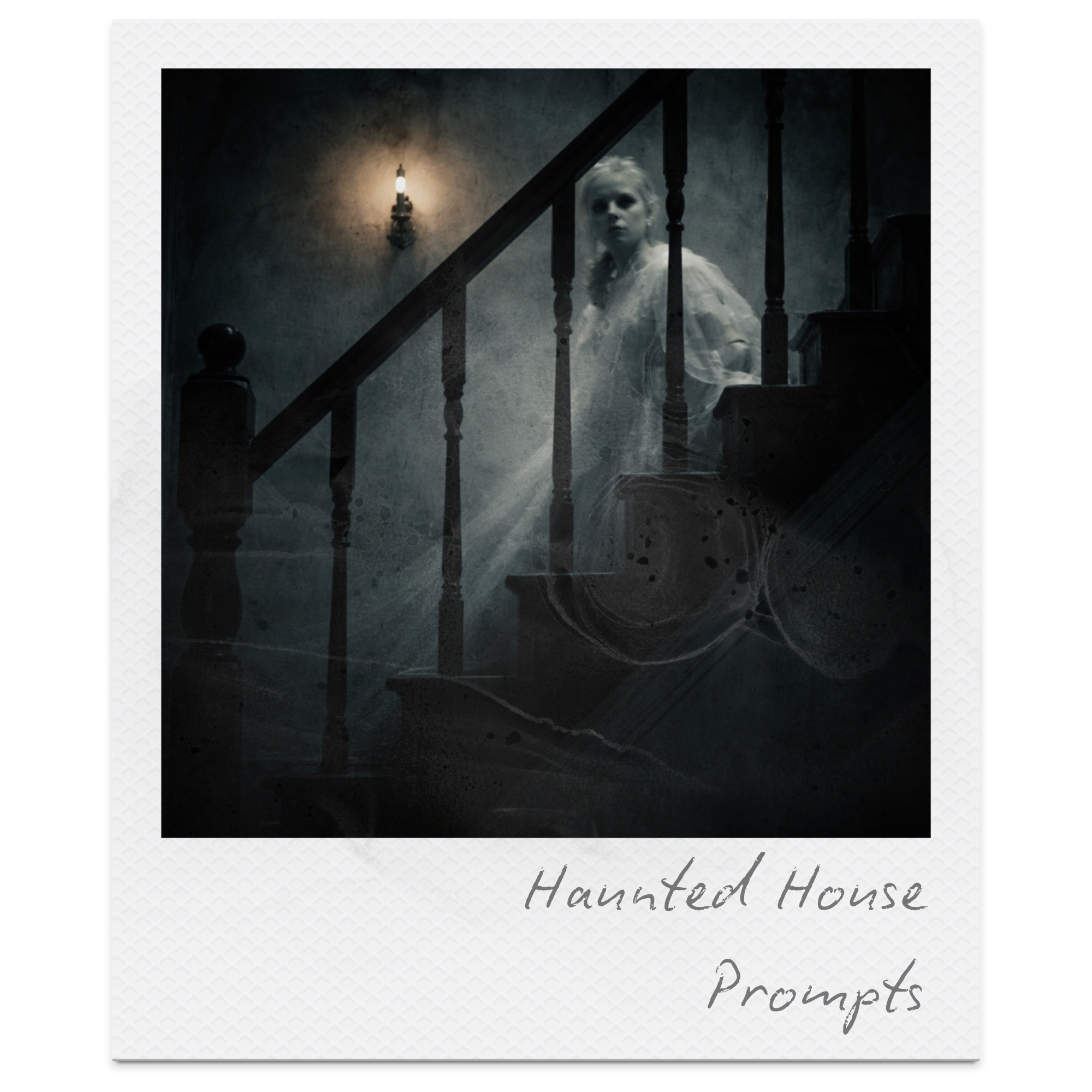
Haunted House Writing Prompts: Ideas for Atmospheric and Unsettling Stories
Haunted houses have long been central to gothic storytelling, creating spaces where memory, fear and the unknown begin to overlap. More than simple settings, these houses feel shaped by the lives once lived within them, holding traces of grief, secrecy and unfinished stories. From decaying mansions to quiet family homes, they create an atmosphere where something feels slightly wrong, even before anything is seen or heard. This collection of haunted house writing prompts explores eerie settings, psychological tension and the lingering presence of the past. With plot ideas, opening lines, character prompts and atmospheric images, these ideas are designed to help you craft unsettling stories where the house itself becomes a powerful and unsettling force within the narrative.
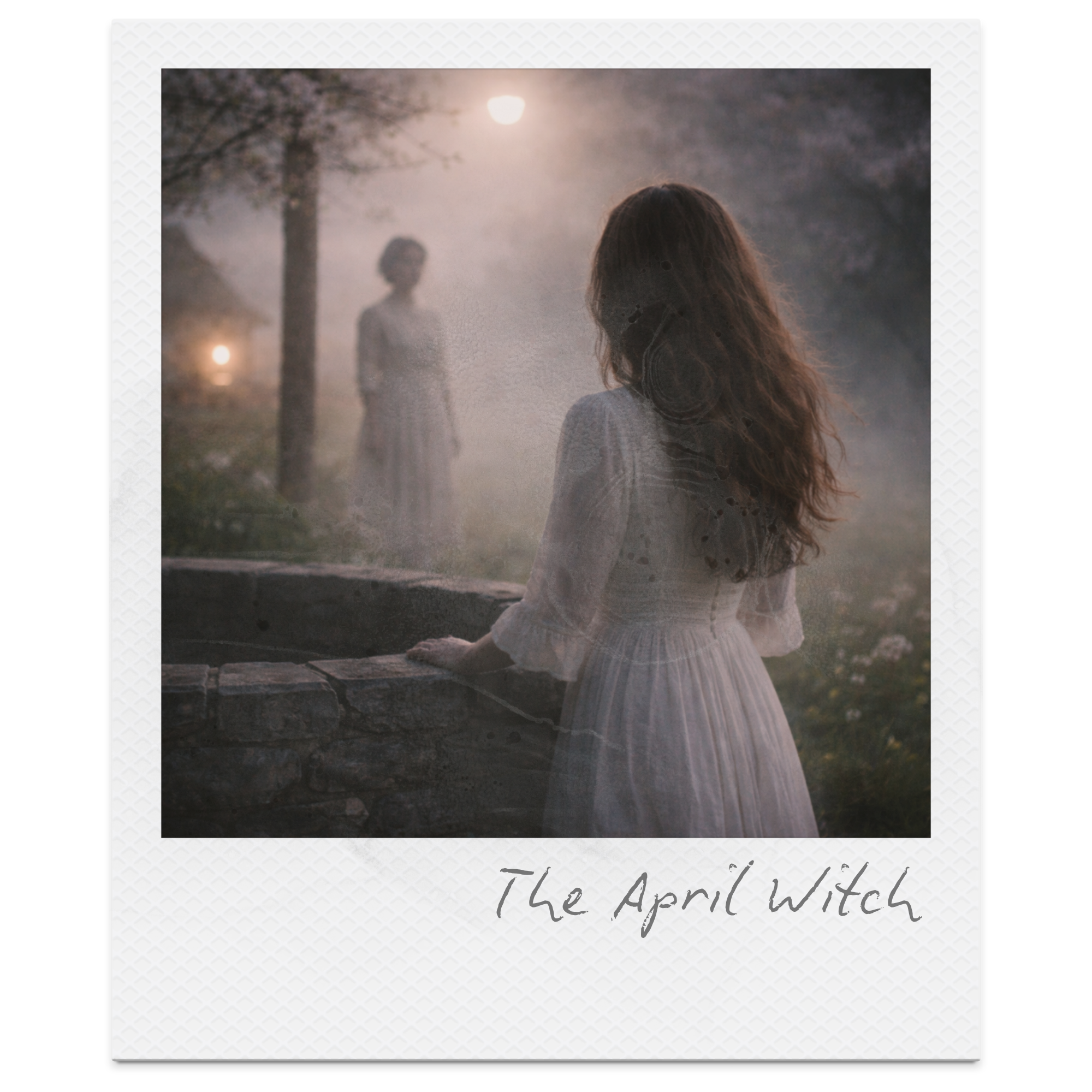
The April Witch by Ray Bradbury: Summary, Themes, Symbolism & Analysis
Ray Bradbury’s The April Witch is a lyrical piece of speculative fiction that explores longing, identity, and the desire for connection through a magical yet emotionally grounded premise. The story follows Cecy, a young girl who can inhabit other living beings, as she seeks to experience love by entering another person’s body, revealing both the beauty and the limitations of her extraordinary ability. At its heart, the story examines illusion versus reality, the fragility of belonging, and the emotional cost of distance, showing that borrowed experiences cannot replace genuine connection. Through rich imagery and a dreamlike tone, Bradbury creates a haunting reflection on what it truly means to be present, loved, and understood.
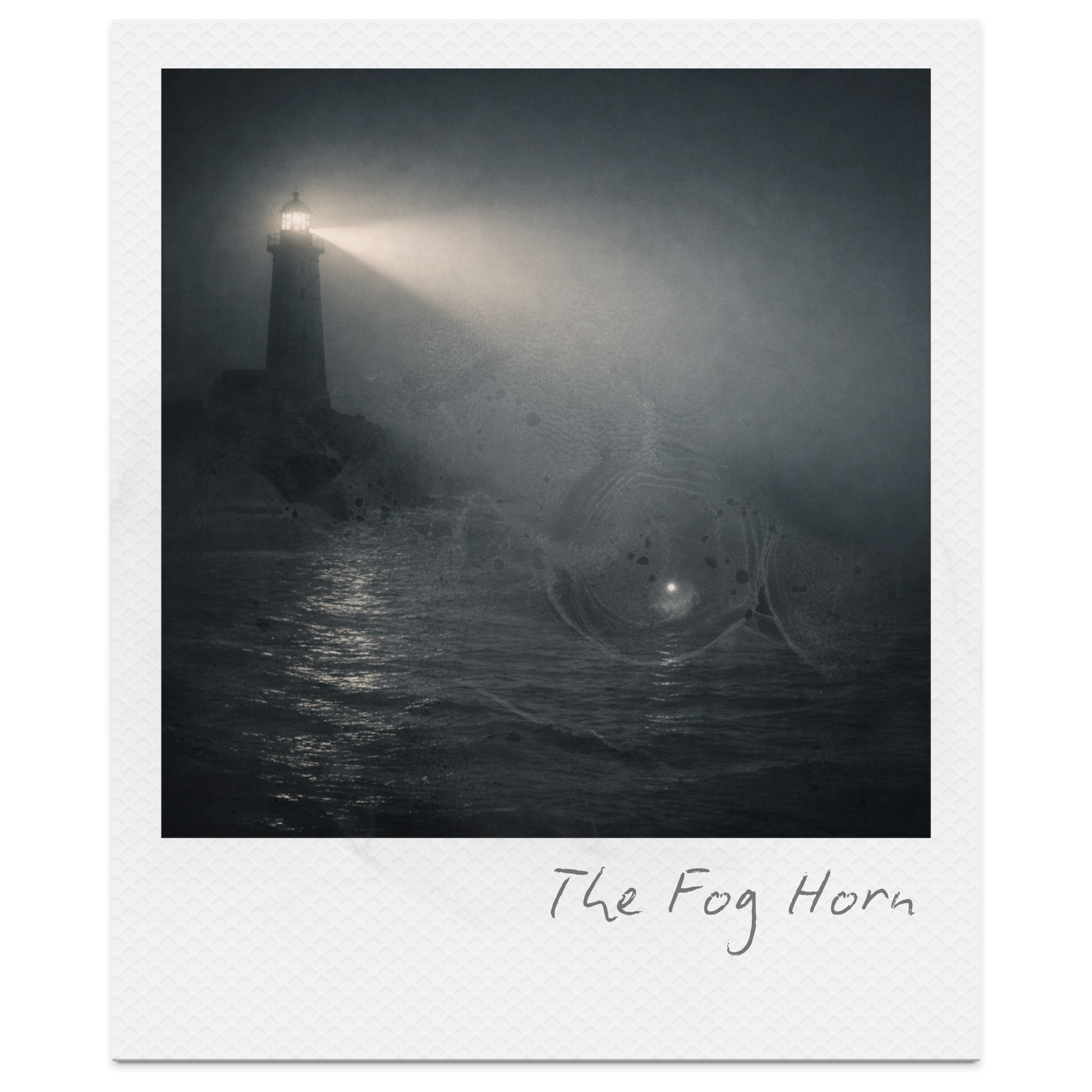
The Fog Horn by Ray Bradbury: Summary, Themes, Symbolism & Analysis
Ray Bradbury’s The Fog Horn is a haunting work of speculative fiction that explores isolation, longing, and the deep human need for connection. Set in a remote lighthouse surrounded by vast, empty seas, the story follows two keepers who encounter a mysterious creature drawn to the mournful sound of the fog horn—a sound that echoes across time like a call waiting to be answered. At its core, the story examines unfulfilled connection, illusion versus reality, and the fragility of belonging, revealing how even the hope of companionship can lead to devastation when it is misunderstood. Through powerful symbolism and atmosphere, Bradbury creates a deeply emotional narrative that lingers long after the final line.
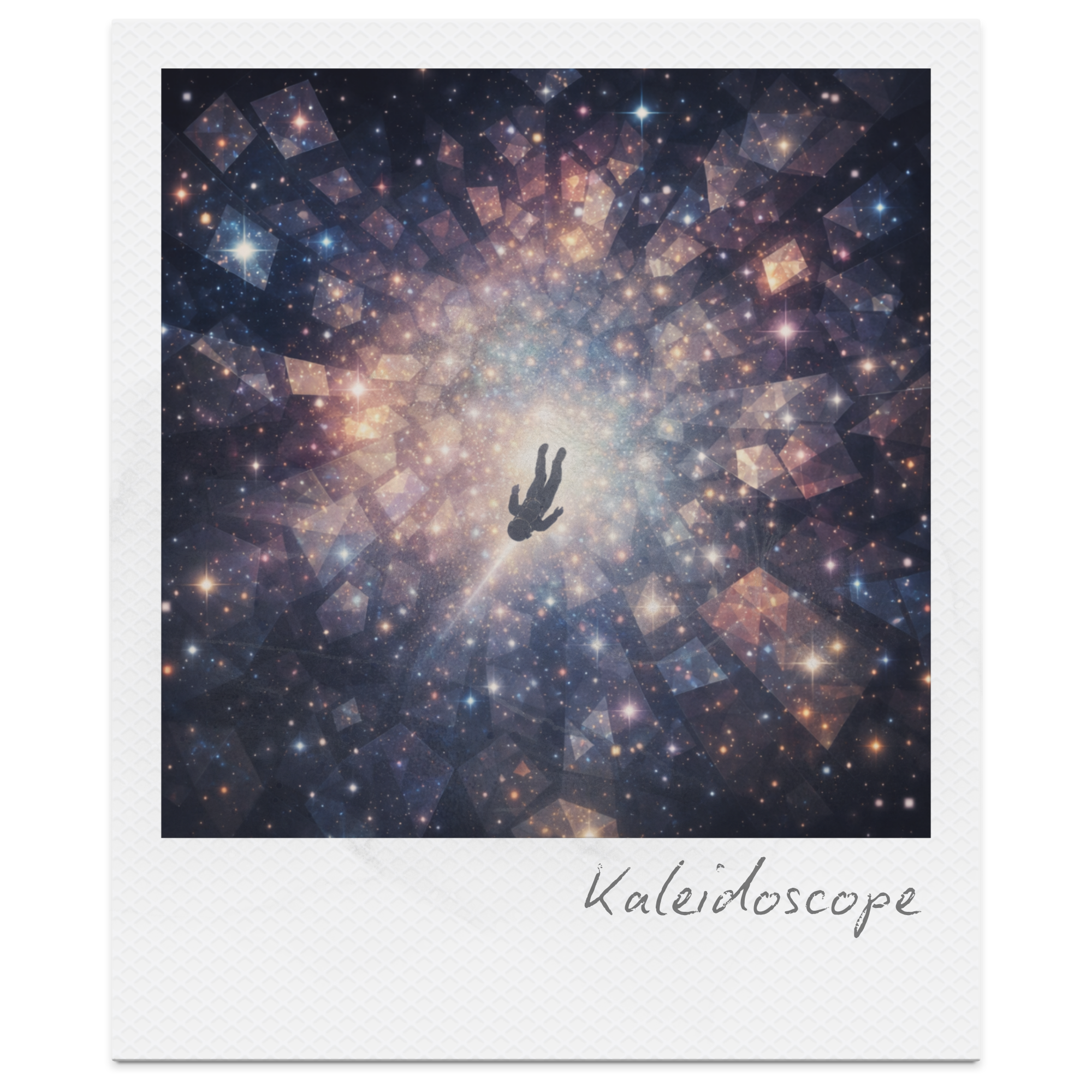
Kaleidoscope by Ray Bradbury: Summary, Themes, Symbolism & Analysis
Ray Bradbury’s Kaleidoscope is a striking exploration of human insignificance, mortality, and isolation, set against the vast and indifferent backdrop of space. After a catastrophic explosion scatters a crew of astronauts, the story follows their fragmented descent as they drift apart, connected only by fading voices. Through this disintegration, Bradbury examines how individuals respond when faced with the loss of control, connection, and certainty. As the astronauts confront their inevitable deaths, the story becomes a powerful reflection on memory, regret, and the search for meaning. While some find comfort in the lives they have lived, others are left questioning what their existence has amounted to. Blending science fiction with existential philosophy, Kaleidoscope leaves readers with a haunting question: when everything falls away, what truly gives a life value?
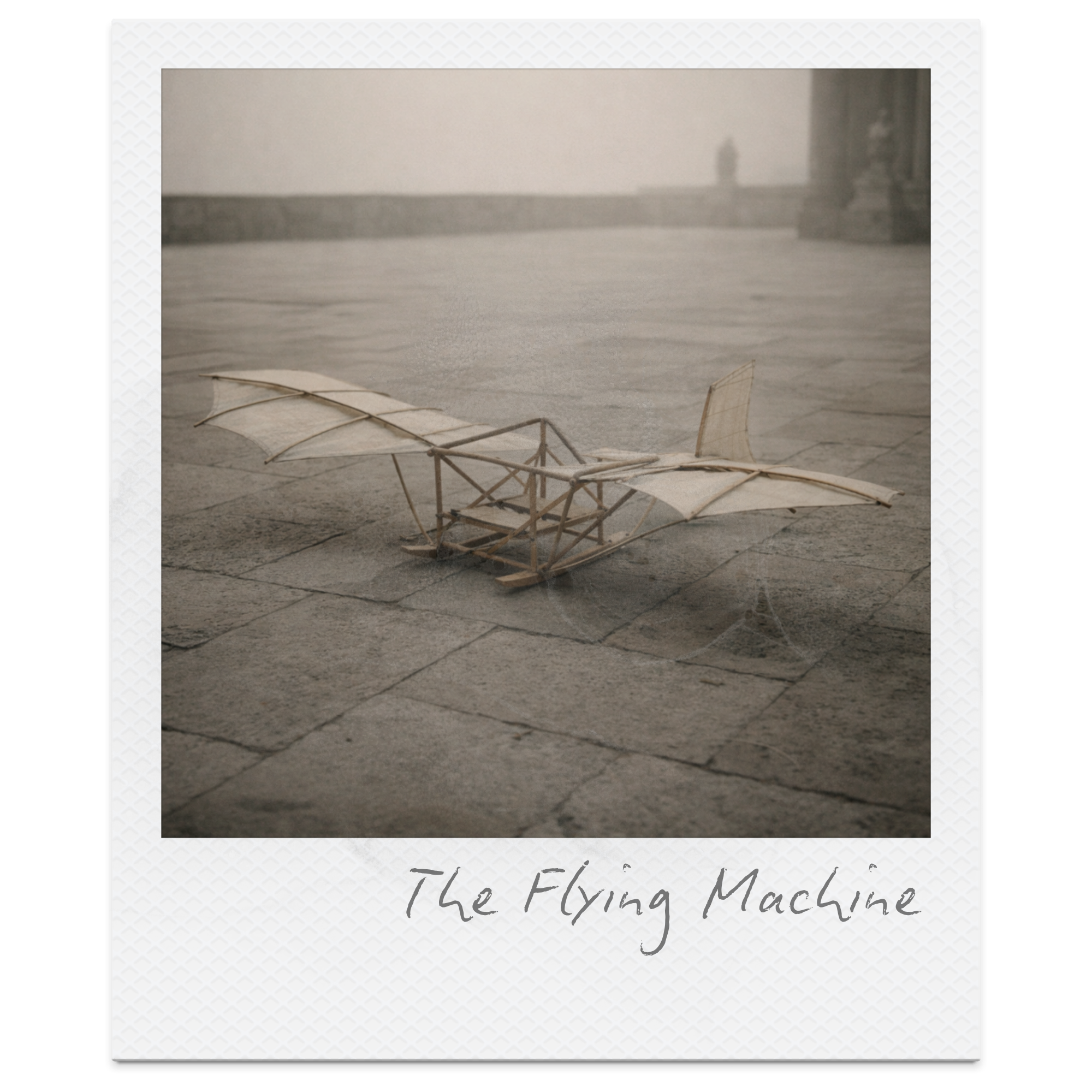
The Flying Machine by Ray Bradbury: Summary, Themes, Symbolism & Analysis
Ray Bradbury’s The Flying Machine explores the uneasy relationship between innovation and fear, presenting a world where beauty and progress are not always welcomed. Set in ancient China, the story follows an inventor who achieves the impossible—human flight—only to face the Emperor’s growing concern about what such a discovery might become. Through this encounter, Bradbury examines the fragile balance between creativity and control, raising questions about whether all knowledge should be allowed to exist. At its core, the story reflects a deeper anxiety about the consequences of progress, particularly when invention can be replicated and misused. The Emperor’s decision to destroy both the machine and its creator reveals a chilling logic: that protecting the future may require the sacrifice of something extraordinary in the present. Blending speculative fiction with philosophical insight, The Flying Machine leaves readers questioning whether humanity can truly be trusted with its own creations—and what might be lost when fear takes precedence over wonder.
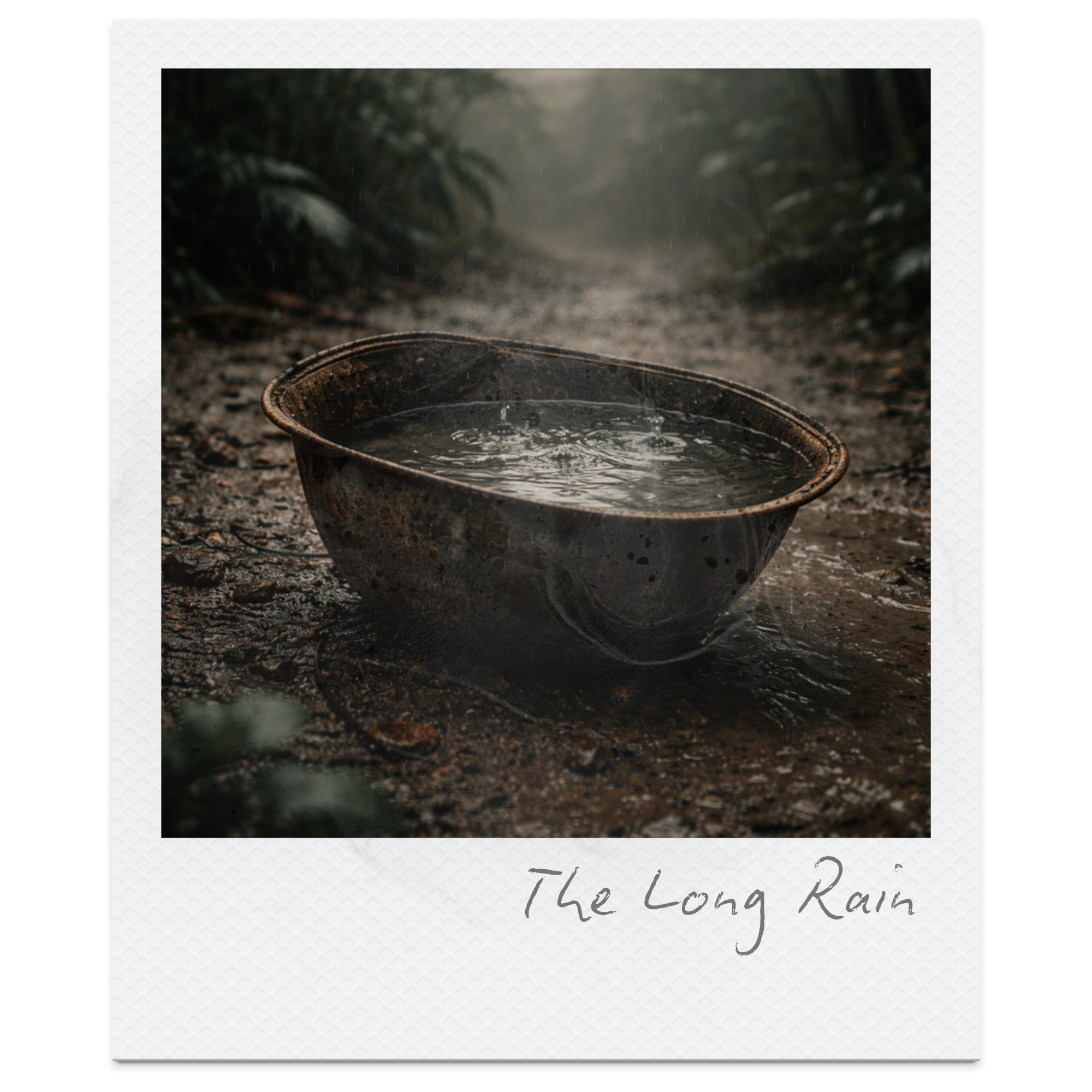
The Long Rain by Ray Bradbury: Summary, Themes, Symbolism & Analysis
Ray Bradbury’s The Long Rain is a relentless exploration of survival, madness, and environmental hostility, set on a version of Venus where the rain never stops. As a group of men struggle through the jungle in search of a Sun Dome, the story shifts from a physical journey into a psychological one, where exhaustion, isolation, and constant sensory pressure begin to erode their sense of reality. Bradbury transforms the environment into a force that does not simply threaten the body, but steadily dismantles the mind. What makes the story so powerful is its focus on endurance rather than action. There is no single moment of catastrophe—only the slow, crushing weight of continuous exposure. Through this, Bradbury explores the fragile balance between hope and despair, showing how quickly control can slip away when relief is out of reach. The ambiguous ending leaves readers questioning whether survival has truly been achieved, or whether it exists only as a final illusion in a mind pushed beyond its limits.
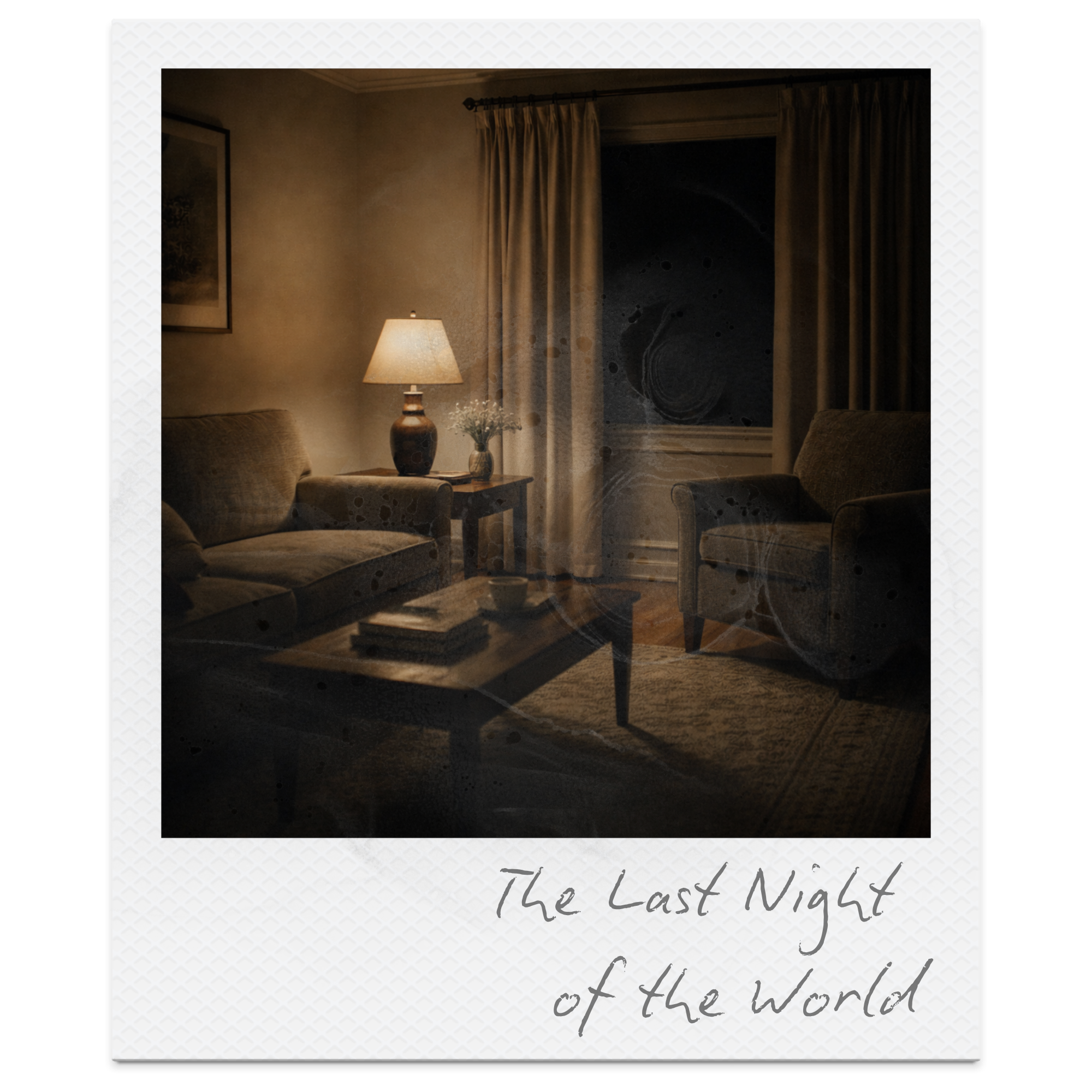
The Last Night of the World by Ray Bradbury: Summary, Themes, Symbolism & Analysis
Bradbury’s The Last Night of the World presents an unsettlingly calm vision of apocalypse, where the end does not arrive through chaos or destruction, but through quiet, shared certainty. As a husband and wife realise—through identical dreams experienced across the world—that existence will end that very night, their response is not panic, but routine. They drink coffee, put their children to bed, and carry on as usual, creating a striking contrast between the enormity of the event and the simplicity of their actions. This quiet acceptance lies at the heart of the story’s power. Rather than asking how the world ends, Bradbury asks how people respond when they know it will—and his answer is both comforting and deeply unsettling. Through its focus on inevitability, human nature, and routine, the story suggests that even in the face of extinction, what matters most is not survival, but connection, normality, and the small rituals that define everyday life.

The Exiles by Ray Bradbury: Summary, Themes, Symbolism & Analysis
Bradbury’s The Exiles is a haunting exploration of censorship, imagination, and the fragility of stories, set on a dying Mars where forgotten authors and their creations struggle to survive. As books are banned and burned on Earth, the figures they once sustained begin to fade, turning the story into a powerful reflection on what happens when culture is erased and memory is lost. Blending science fiction, gothic atmosphere, and a deeply meta-literary perspective, the story challenges readers to consider the true cost of suppressing imagination. Through its unsettling imagery and quiet, devastating ending, The Exiles asks a central question: if stories disappear, what happens to the parts of ourselves they once held together?
The Bells by Edgar Allan Poe: Summary, Themes, Meaning & Analysis
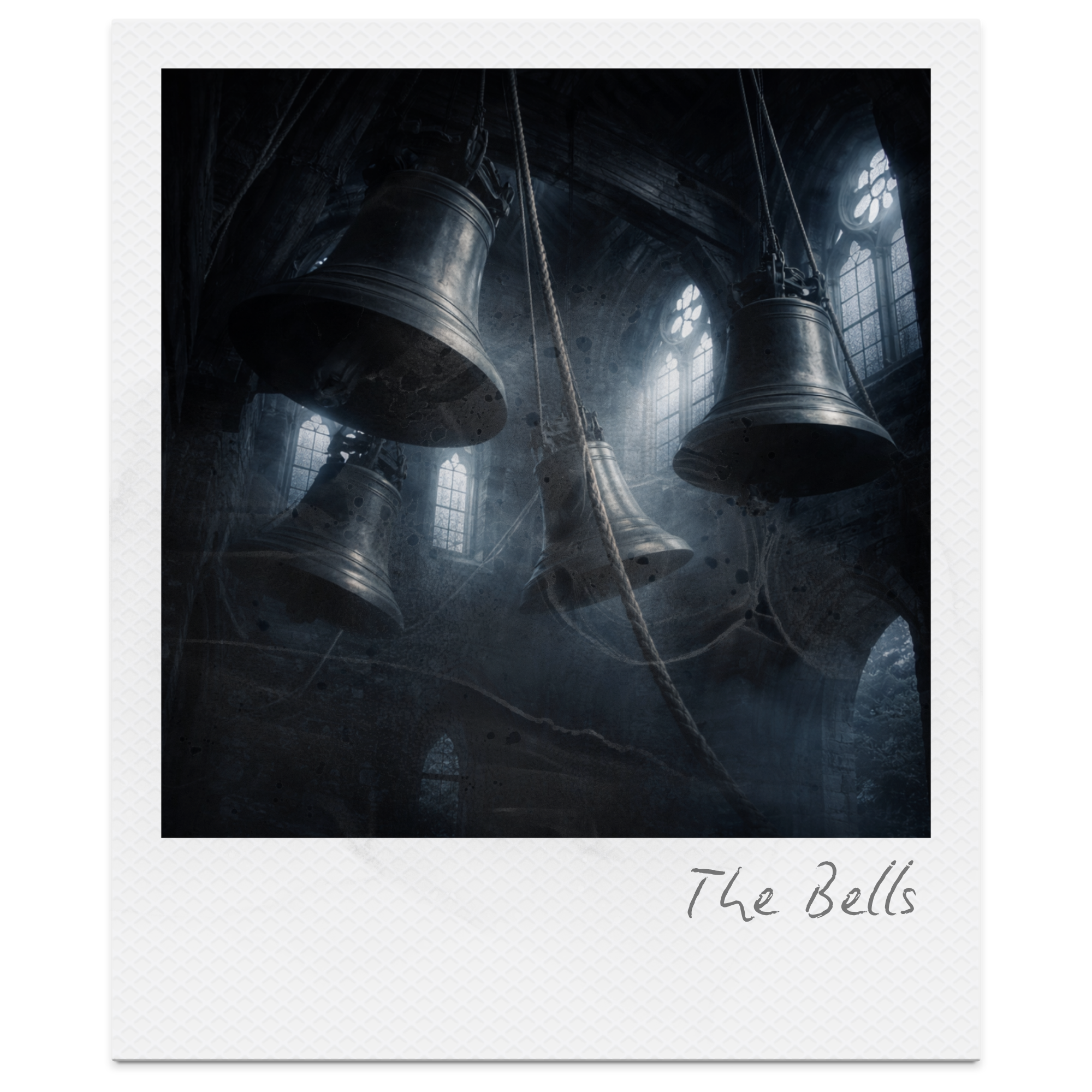
The Bells by Edgar Allan Poe explores how sound reflects the stages of human experience, moving from joy and harmony to chaos and death. Through its hypnotic rhythm and intense repetition, Poe transforms bells into symbols of time, emotional progression, and mortality, creating a poem that is as much heard as it is understood. Blurring the line between music and meaning, the poem builds from delicate “tinkling” to overwhelming “clanging,” mirroring a descent into psychological instability and loss of control. This progression invites multiple interpretations, from a life cycle narrative to a study of how sound shapes human perception.
The Purloined Letter by Edgar Allan Poe: Summary, Themes, Symbolism & Analysis
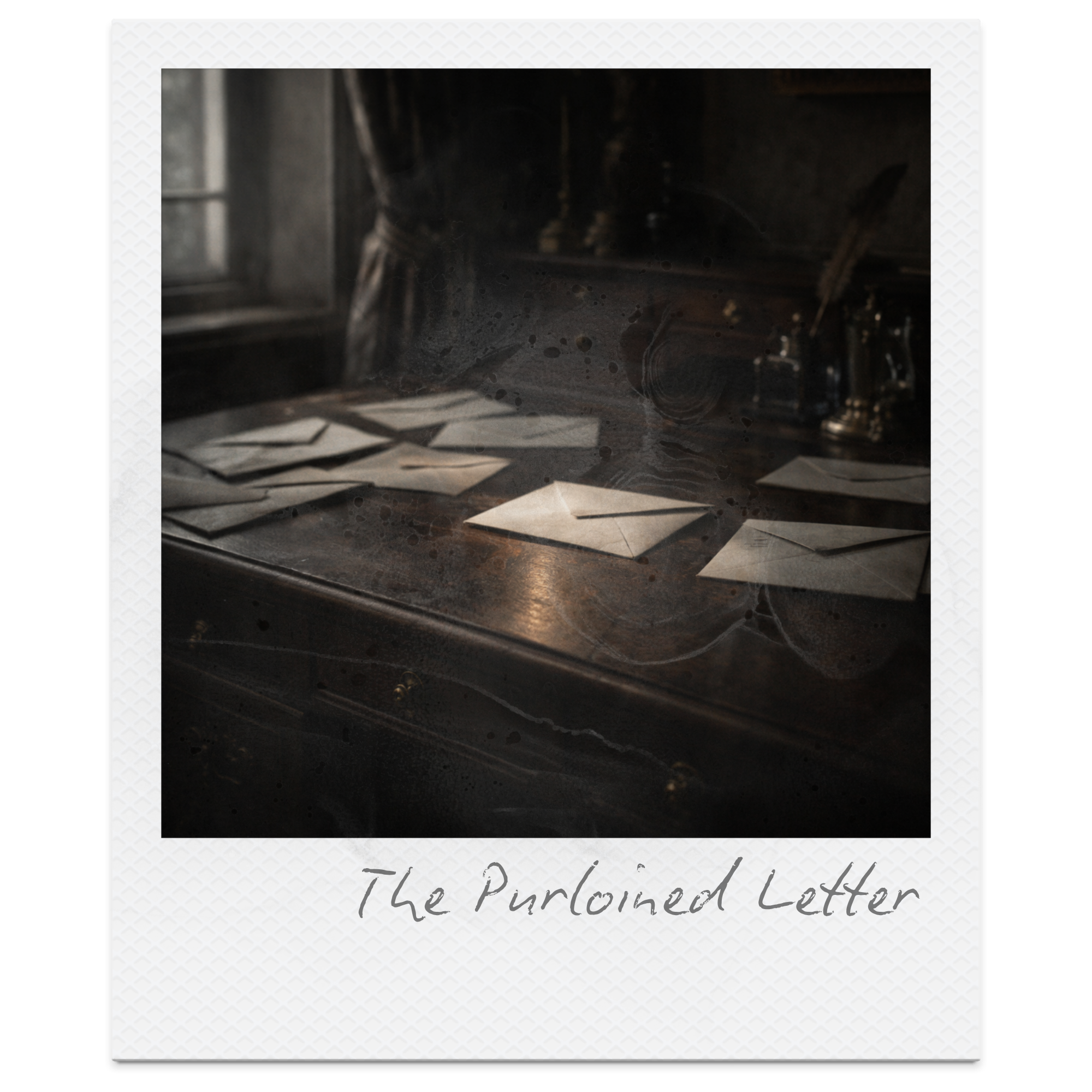
The Purloined Letter is a clever and thought-provoking detective story that challenges the idea that mysteries are always complex. Instead, Edgar Allan Poe presents a case where the solution is hidden in plain sight, revealing how assumptions and rigid thinking can prevent us from seeing the obvious. Through the character of Dupin, Poe explores how true intelligence lies in understanding how others think, rather than simply relying on method or procedure. As the investigation unfolds, the story shifts from a traditional search for hidden clues to a deeper exploration of perception, power, and psychological strategy. The stolen letter becomes more than just an object—it represents control, secrecy, and vulnerability, showing how knowledge can be used as a form of influence. Ultimately, the story leaves readers questioning not just the mystery itself, but the way human reasoning shapes what we see—and what we miss.
The Pit and the Pendulum by Edgar Allan Poe: Summary, Themes, Symbolism & Analysis
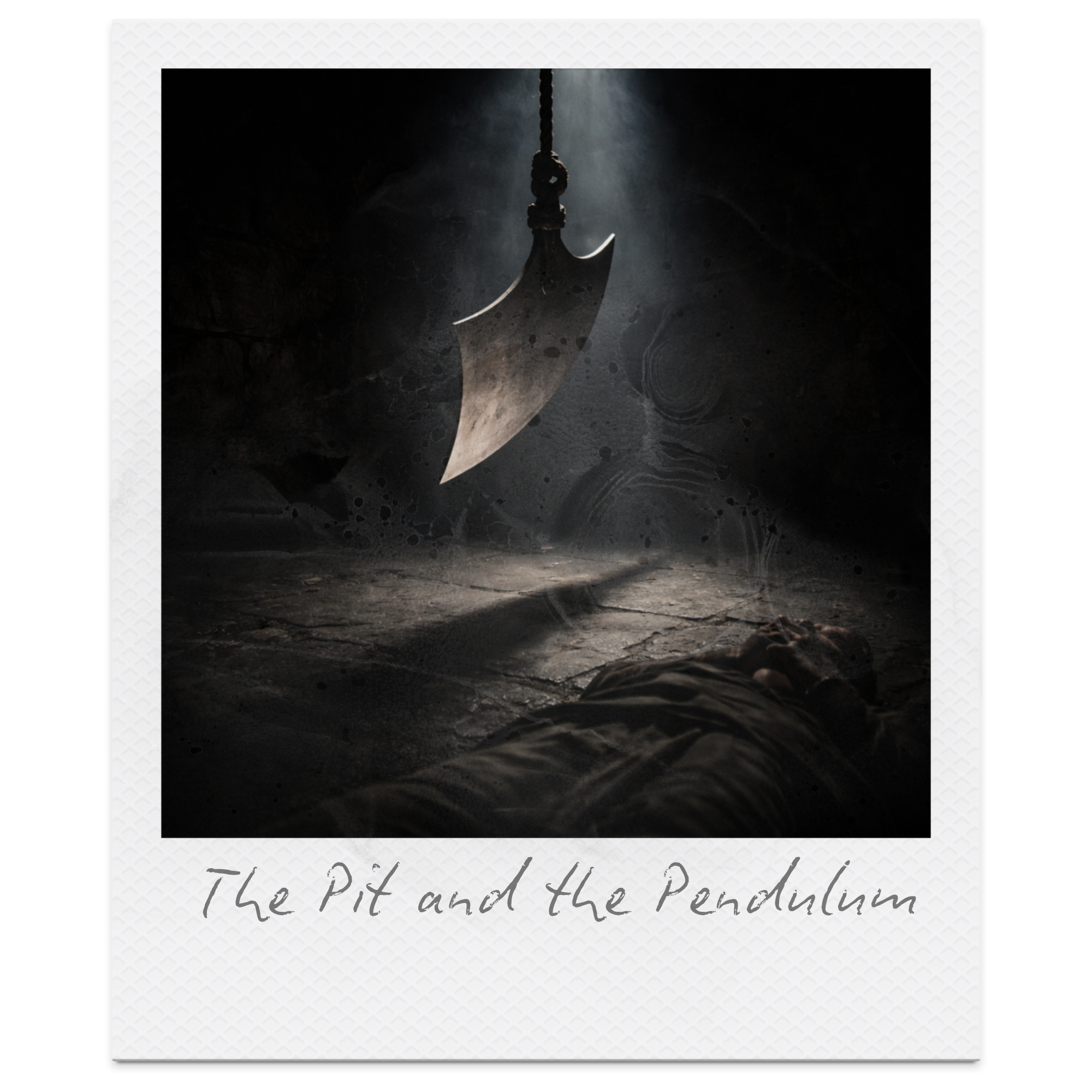
The Pit and the Pendulum by Edgar Allan Poe is a chilling exploration of psychological horror, fear, and survival under extreme control. Set within the terrifying world of the Inquisition, the story follows a condemned narrator trapped in a shifting dungeon where darkness, hidden dangers, and calculated torture push him to the brink of madness. Rather than relying on sudden shocks, Poe builds tension through anticipation, sensory deprivation, and the slow passage of time, creating a deeply unsettling reading experience. As the narrator faces the horrors of the pit, the descending pendulum, and the enclosing walls, the story explores powerful themes including power and control, perception and reality, death and mortality, and endurance. The setting itself becomes an instrument of torture, reflecting the narrator’s deteriorating mental state and forcing him into a desperate fight for survival. Through its intense focus on the mind under pressure, The Pit and the Pendulum remains one of Poe’s most compelling and psychologically complex short stories.
William Wilson by Edgar Allan Poe: Summary, Themes, Symbolism & Analysis
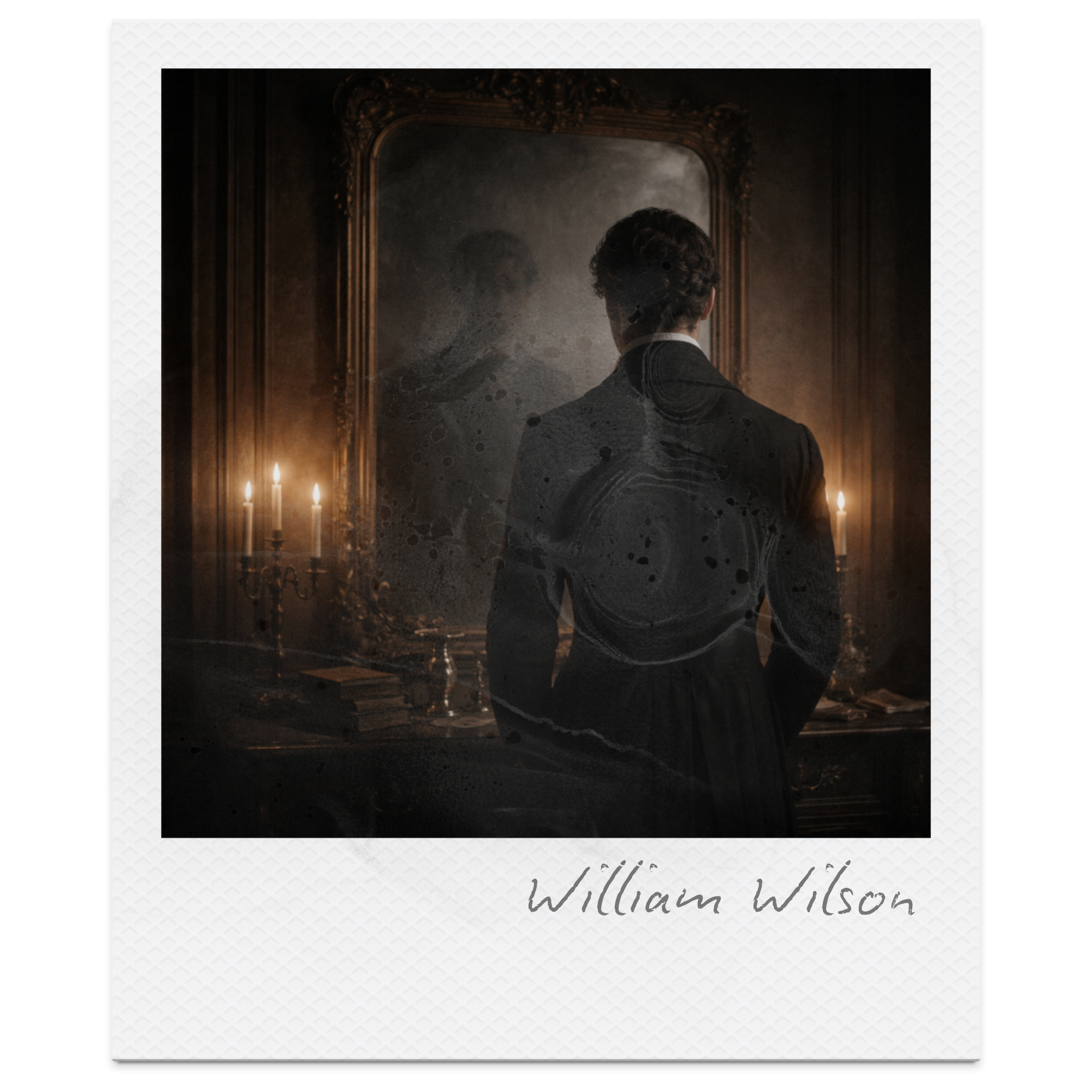
William Wilson by Edgar Allan Poe is a haunting work of gothic fiction that explores identity, conscience, and duality through the disturbing presence of a mysterious double. As the narrator recounts his descent into vice and corruption, he is repeatedly confronted by a figure who mirrors his every move, blurring the line between external threat and internal conflict. Poe uses this doubling to create a tense, psychologically charged narrative where the self becomes both protagonist and antagonist. At its core, the story examines the consequences of denying conscience and rejecting moral restraint, raising unsettling questions about self-awareness, responsibility, and the nature of identity. Through its unreliable narrator and symbolic use of setting and structure, William Wilson reveals how the attempt to escape oneself leads not to freedom, but to self-destruction.
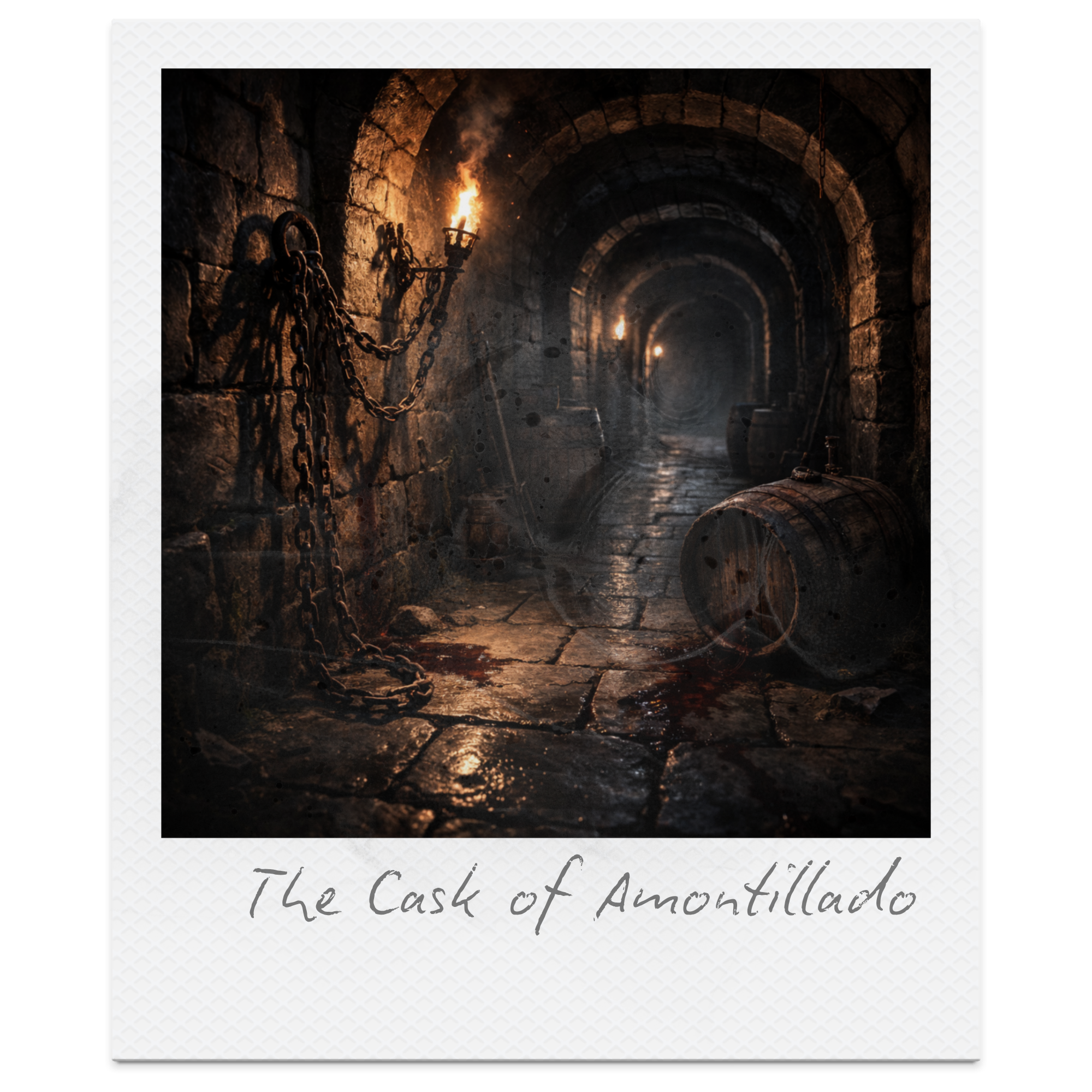
The Cask of Amontillado by Edgar Allan Poe: Summary, Themes, Symbolism & Analysis
The Cask of Amontillado by Edgar Allan Poe is a chilling work of gothic fiction that explores revenge, pride, and psychological manipulation through one of literature’s most disturbingly controlled narrators. Set against the deceptive brightness of carnival and the suffocating darkness of the catacombs, the story follows Montresor as he carefully lures Fortunato toward a fate that feels both inevitable and horrifying. Poe’s use of irony, symbolism, and setting creates a narrative where every detail contributes to a growing sense of tension and unease. At its core, the story examines how power and deception can operate beneath the surface of civility, raising unsettling questions about justice, morality, and human psychology. With its unreliable narrator and claustrophobic setting, The Cask of Amontillado invites readers to question what is true, what is justified, and how easily violence can be hidden behind a mask of reason.
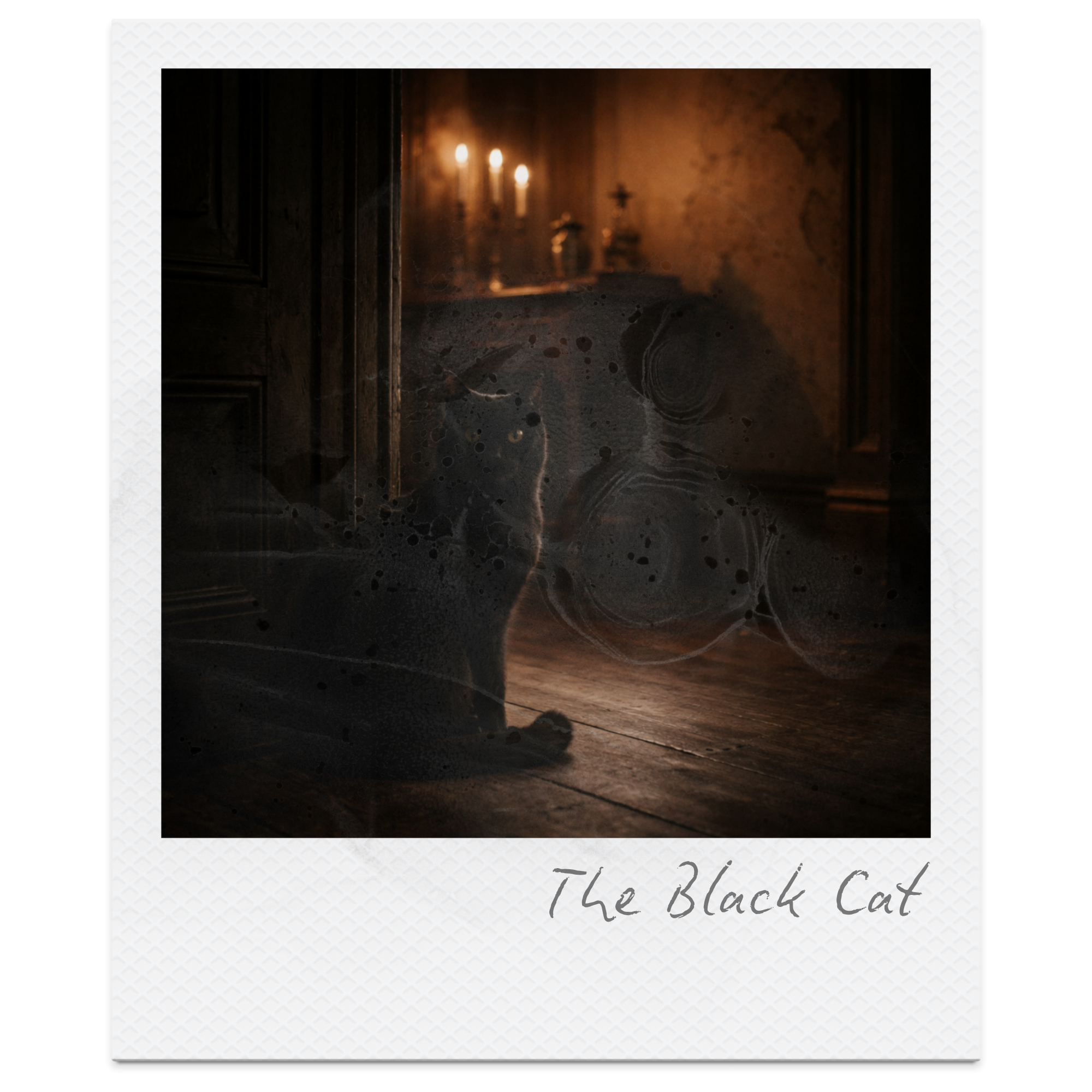
The Black Cat by Edgar Allan Poe: Summary, Themes, Symbolism, Madness & Analysis
The Black Cat by Edgar Allan Poe is a chilling exploration of madness, guilt, and moral corruption, following a narrator who insists on his sanity while recounting his descent into violence, alcoholism, and psychological collapse. What begins as a domestic narrative of companionship and affection quickly deteriorates into something far darker, as acts of cruelty escalate into murder. Through its intense first-person voice and disturbing imagery, the story exposes the fragile boundary between reason and irrationality, forcing readers to question whether the true horror lies in supernatural forces or within the human mind itself. This post explores The Black Cat in depth, including a clear summary, detailed analysis of themes and symbolism, key quotes, and alternative interpretations to support both teaching and study. With a focus on narrative voice, psychological instability, and Gothic conventions, it provides everything needed to confidently approach the text in the classroom or for exam preparation, while encouraging deeper discussion around guilt, perverseness, and the nature of human behaviour.
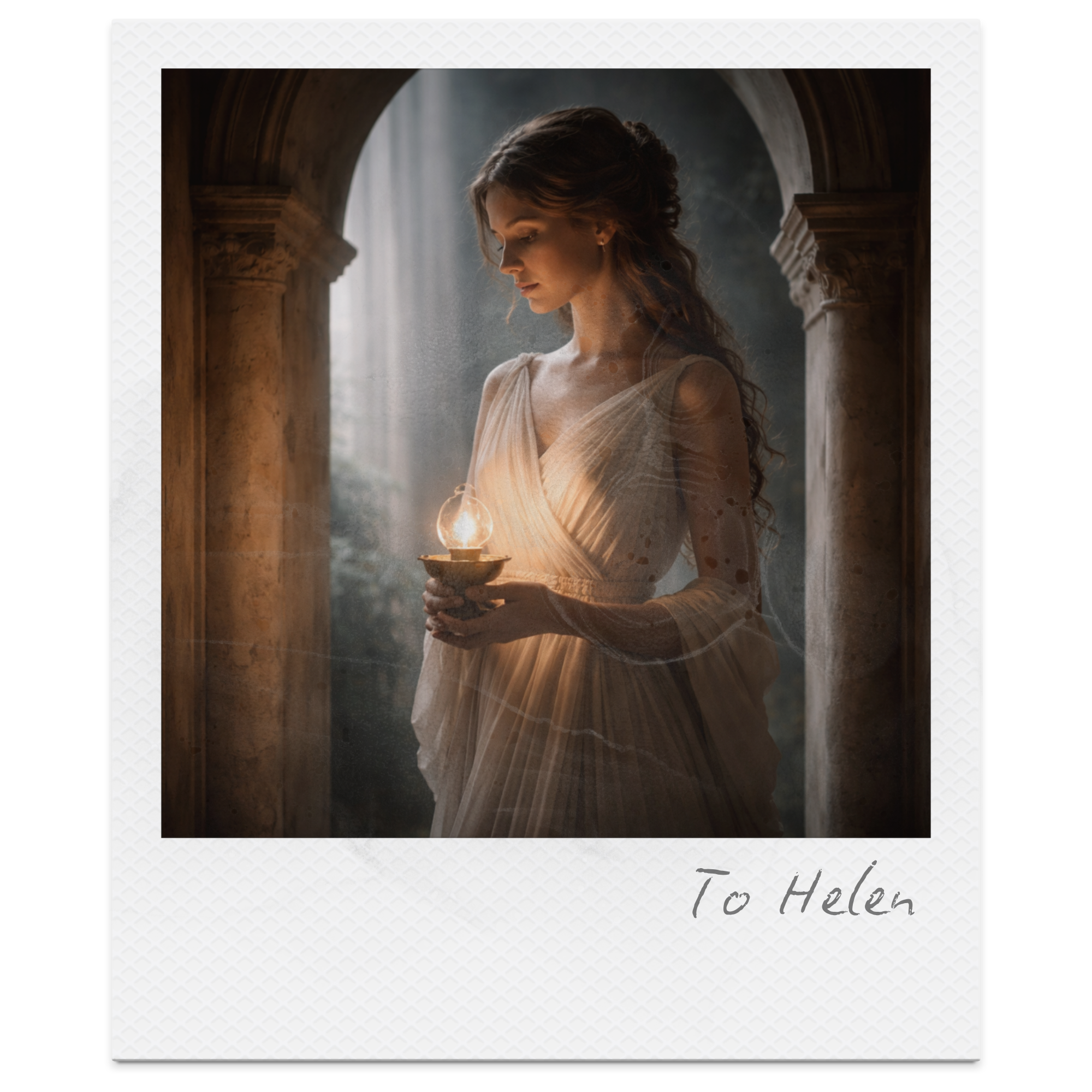
To Helen by Edgar Allan Poe: Summary, Themes, Meaning & Analysis
To Helen is a lyrical and deeply reflective poem exploring beauty, idealisation, and the power of memory. Drawing on rich classical imagery and mythological allusion, Poe presents Helen not simply as a person, but as a symbol of perfect, timeless beauty—one that offers the speaker a sense of restoration, belonging, and emotional return. This analysis explores the poem’s structure, key themes, and layered meanings, from its shifting metre and subtle rhyme to its exploration of love as transcendence and beauty as art. Through close reading and teaching ideas, it reveals how To Helen moves beyond admiration into something more profound: a meditation on how beauty can elevate, shape, and ultimately distance human experience.
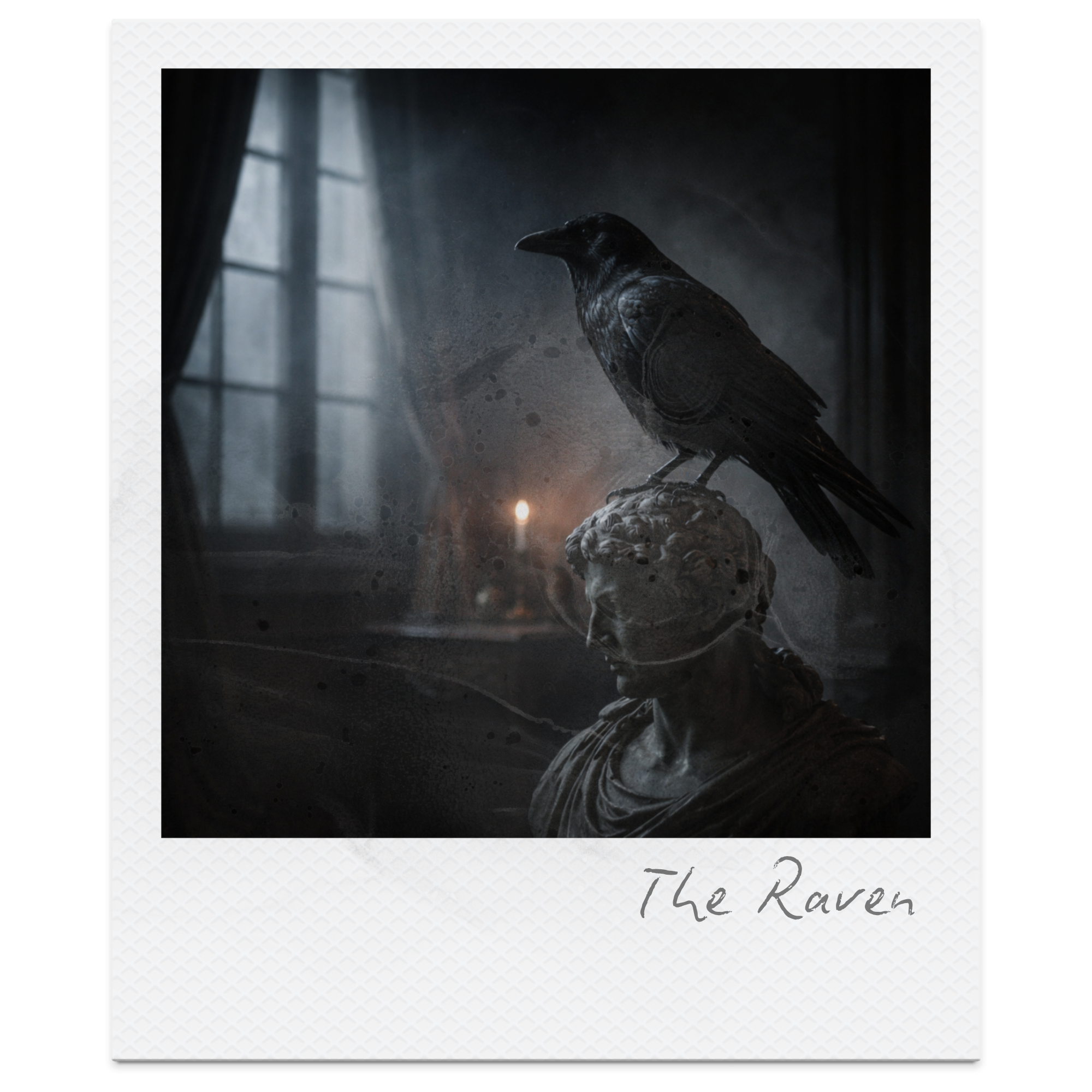
The Raven by Edgar Allan Poe: Summary, Themes, Meaning & Analysis
The Raven is one of the most famous and haunting poems in English literature, exploring grief, memory, and psychological decline through its hypnotic rhythm and Gothic atmosphere. Following a lone speaker on a bleak December night, Poe constructs a narrative where sound, repetition, and symbolism mirror the mind’s descent into obsession, as the mysterious raven becomes a voice for inescapable loss and unanswered questions. This analysis explores the poem’s structure, key themes, and layered meanings, from its intricate use of metre and refrain to its deeper exploration of death, the afterlife, and the limits of human understanding. Through close analysis and creative teaching ideas, it reveals how The Raven remains a powerful study of how the mind processes grief—and how it can become trapped within it.
Sonnet—To Science by Edgar Allan Poe: Summary, Themes, Meaning & Analysis
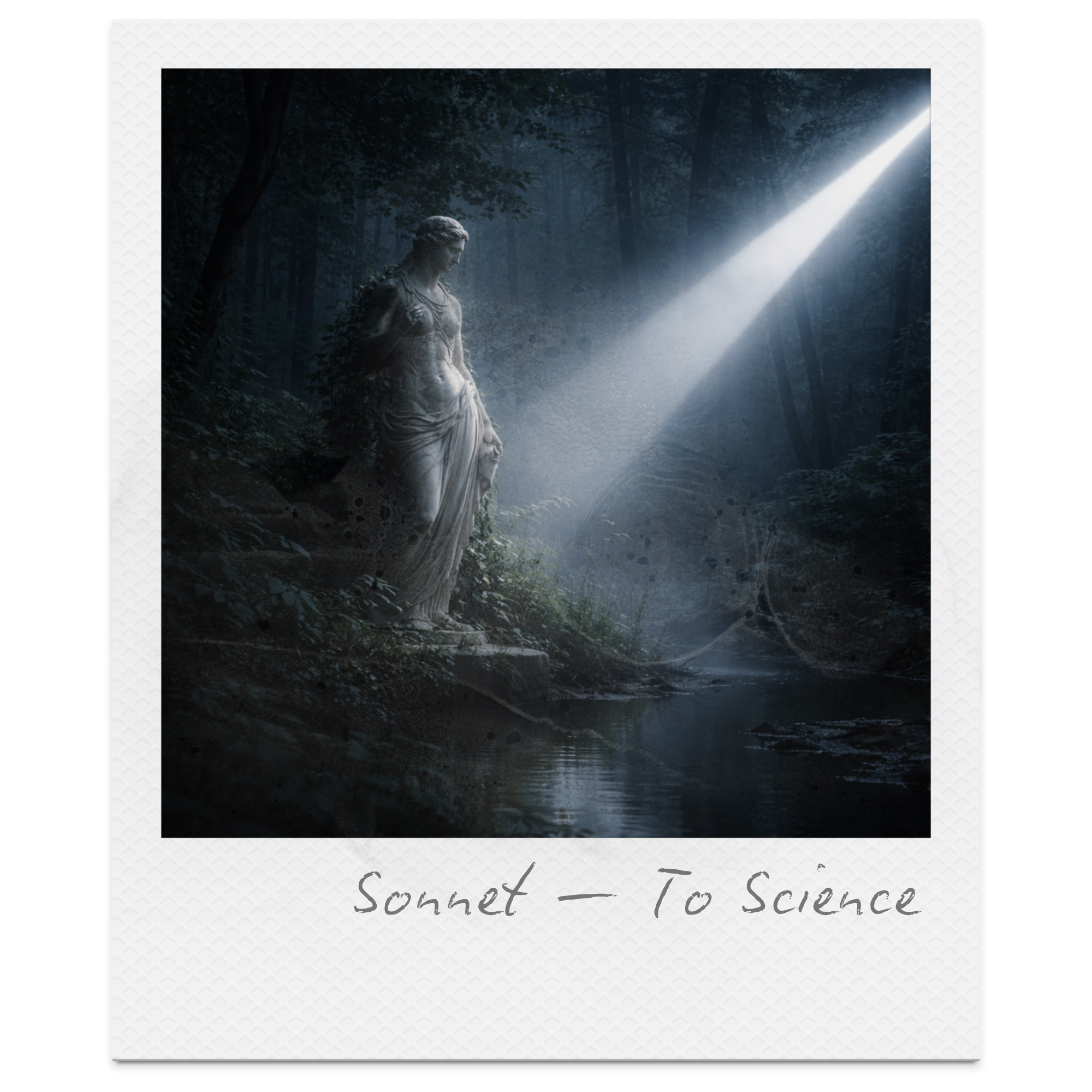
Edgar Allan Poe’s Sonnet—To Science explores the tension between imagination and reason, presenting science as a force that strips the world of its wonder, beauty, and myth. Through a structured sonnet form and a confrontational voice, Poe challenges the dominance of rational thought, suggesting that scientific progress may come at the cost of creativity, emotional depth, and symbolic meaning. The poem draws on classical mythology and rich imagery to show how explanation can replace enchantment, leaving the world diminished. At the same time, the poem remains deliberately ambiguous. While science is criticised for its intrusive “peering eyes,” it is also shown to be an unavoidable force shaped by time and progress. This creates a deeper question at the heart of the poem: does understanding the world mean losing the ability to experience it with wonder? Through this unresolved tension, Poe invites readers to reflect on the balance between knowledge and imagination, making the poem as relevant now as it was in his own time.
The Haunted Palace by Edgar Allan Poe: Summary, Themes, Meaning & Analysis
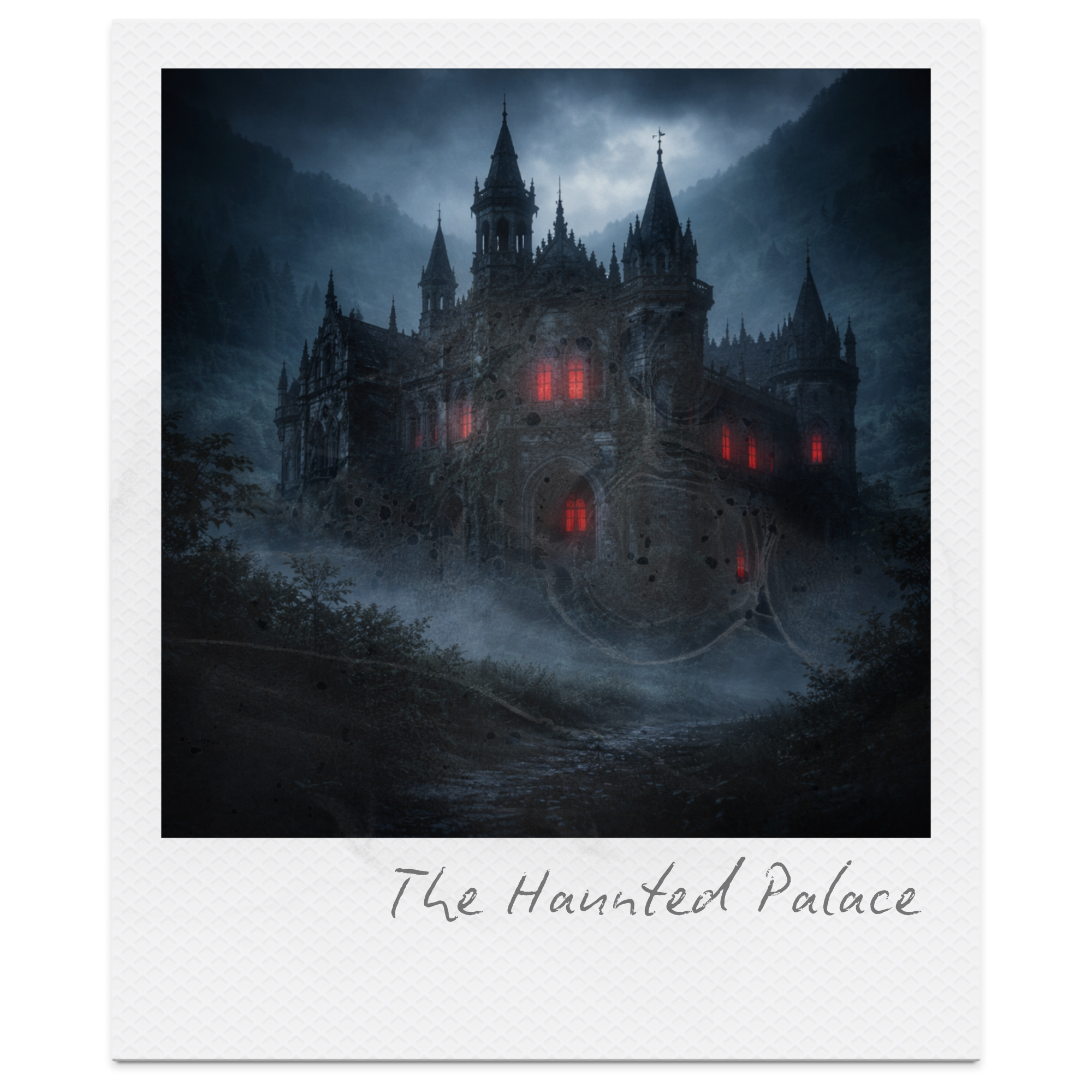
“The Haunted Palace” by Edgar Allan Poe is a hauntingly symbolic gothic poem that explores the fragile boundary between sanity and madness, using the image of a once-radiant palace to represent the human mind. Through rich imagery, musical language, and an extended allegory, Poe traces the gradual transformation from harmony and order to distortion and decay, creating a powerful depiction of psychological collapse. At its core, the poem moves beyond a simple narrative of decline, inviting multiple interpretations that explore memory, identity, and the instability of perception. As beauty becomes corruption and music turns to discord, the palace reflects not just a mind in ruin, but the unsettling idea that order itself may always contain the seeds of its own destruction.
10 Gothic Romance Poetry Prompts for Teens & Adults: Desire, Darkness, and Devotion
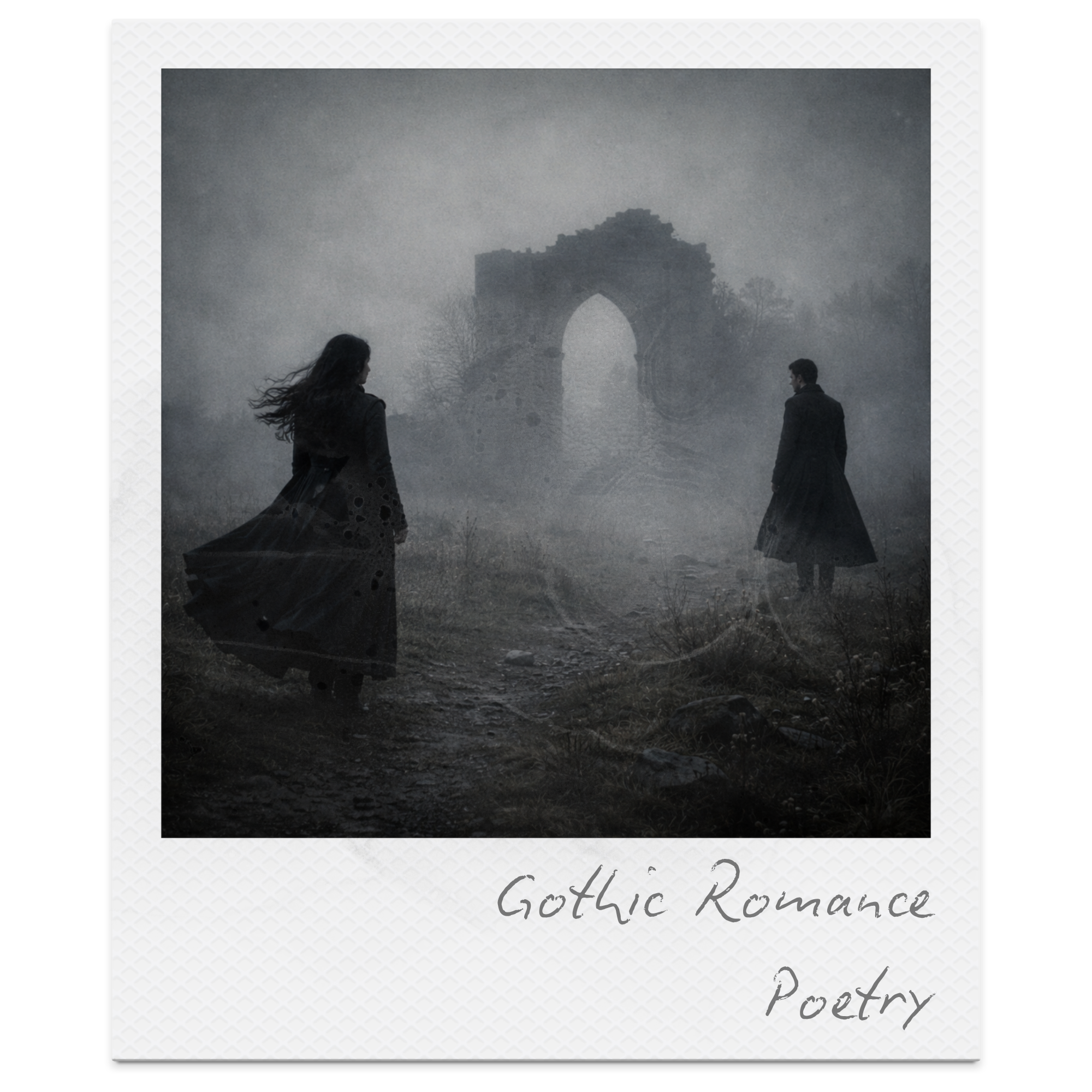
Gothic romance poetry explores the darker edges of love — where desire, memory, and loss intertwine. Rather than presenting romance as simple or fulfilling, it reveals how love can become obsessive, forbidden, or shaped by absence. Through atmospheric imagery, intimate voice, and controlled emotion, these poems capture relationships that linger, haunt, or transform over time. These gothic romance poetry prompts for teens and adults are designed to support craft-focused, emotionally rich writing. Each prompt encourages writers to explore longing, secrecy, and emotional tension through carefully chosen language and structure, helping them create poetry that feels intense, atmospheric, and deeply reflective.
The Sleeper by Edgar Allan Poe: Summary, Themes, Meaning & Analysis
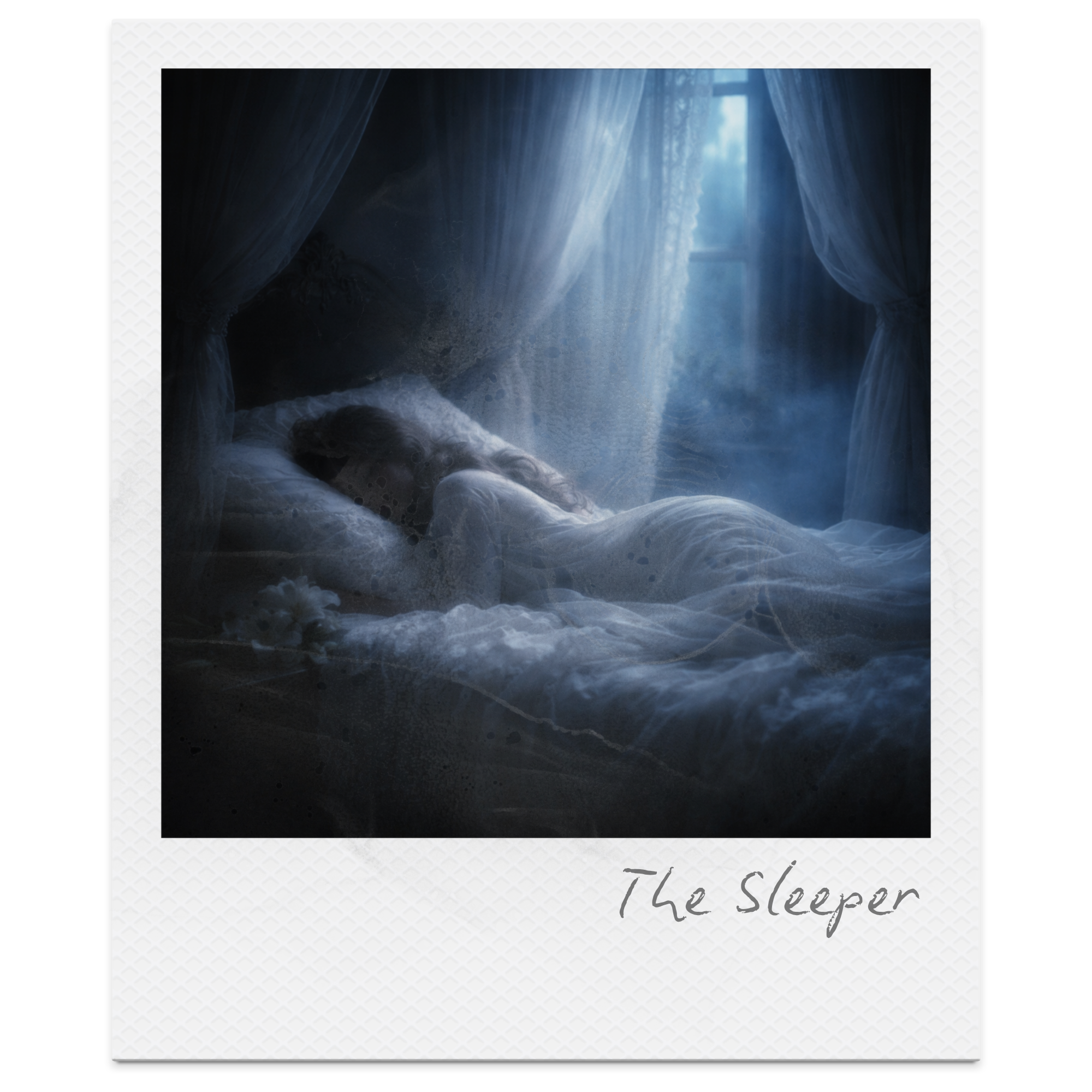
The Sleeper by Edgar Allan Poe presents a dreamlike meditation on death, beauty, and the boundary between life and stillness, using rich imagery and hypnotic rhythm to create an atmosphere that is both serene and unsettling. What begins as a tranquil midnight scene gradually reveals a deeper exploration of mortality and suspended existence, as the figure of Irene shifts from peaceful rest into something far more ambiguous. Through its layered symbolism and evolving tone, the poem blurs the line between sleep and death, reverence and control, inviting readers to question whether beauty is preserved or distorted through stillness. Poe leaves the meaning deliberately open, transforming a simple image of sleep into a haunting reflection on the unconscious mind, illusion, and the inevitability of death.