Notes from the Inkpot
Writing, teaching, creating - one ink-stained idea at a time.


Siegfried Sassoon: Context, War Poetry, and Literary Significance
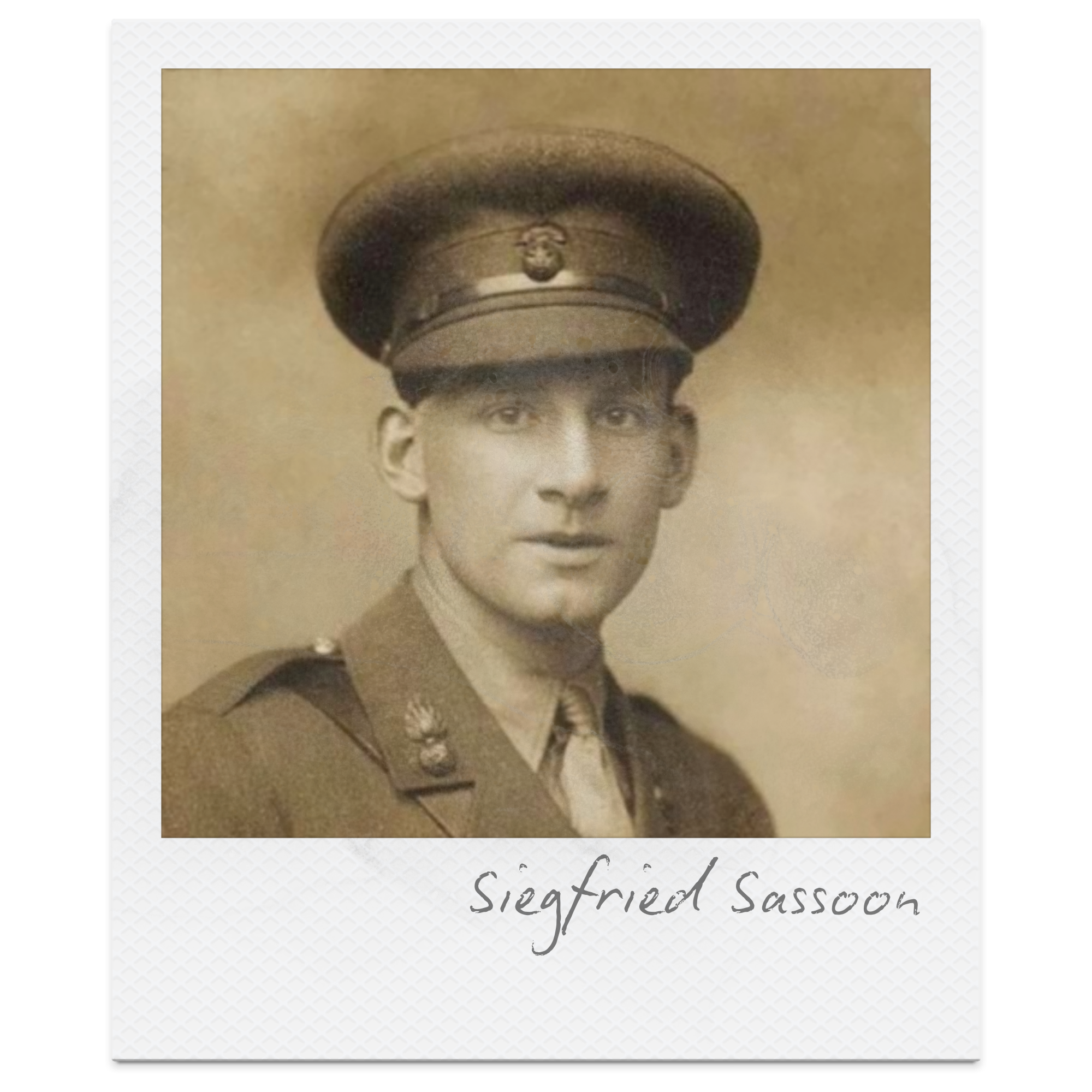
Siegfried Sassoon is one of the most important voices in First World War poetry, writing not from imagination but from direct experience of trench warfare. His poems expose the brutality, futility, and moral failure of modern war, challenging patriotic narratives that present suffering as noble or necessary. Through irony, anger, and controlled restraint, Sassoon forces readers to confront the gap between those who fight and those who authorise violence from a distance. Understanding Sassoon’s context is essential for reading poems such as “Suicide in the Trenches.” Shaped by frontline combat, public protest, and psychological trauma, his writing interrogates responsibility, authority, and the language used to justify mass death. Rather than offering comfort or heroic sacrifice, Sassoon’s war poetry demands ethical engagement, making it central to the study of WWI literature and modern protest writing.
Dream Land by Christina Rossetti: Summary, Meaning & Critical Analysis
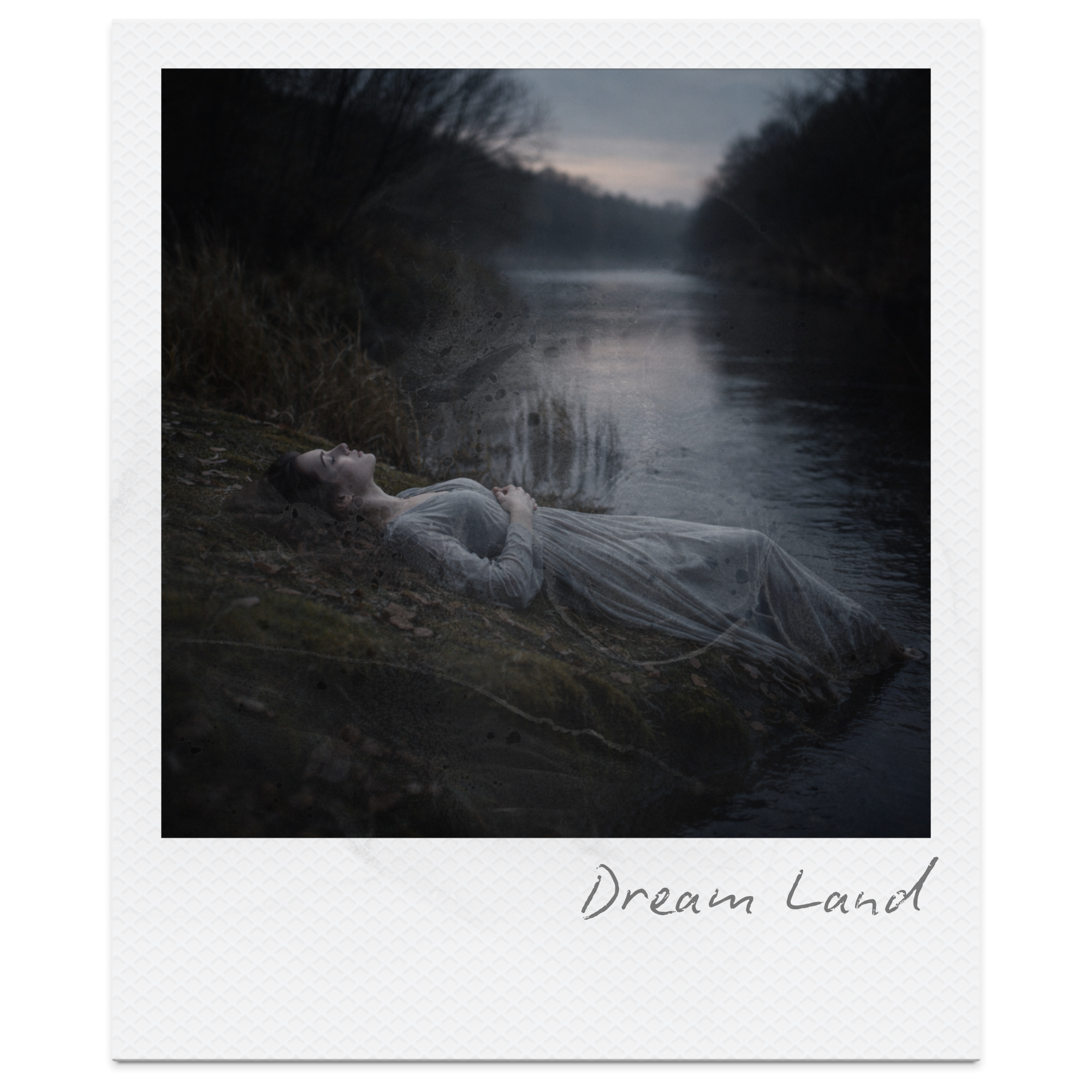
Christina Rossetti’s Dream Land is a poem of rest, withdrawal, and emotional stillness, where calm conceals a deeply unsettling vision of peace. Through controlled imagery, repetition, and restrained language, Rossetti presents a female figure who turns away from life, growth, and sensation, entering a state of charmed sleep that resists clear distinction between sleep, death, and chosen retreat. This analysis of Dream Land explores Rossetti’s use of form, imagery, and silence to construct peace as something achieved through absence rather than fulfilment. By examining language, structure, and alternative interpretations, the post invites readers to consider when rest becomes refuge — and when it becomes erasure — situating the poem within Rossetti’s wider preoccupation with restraint, renunciation, and emotional control.
Christina Rossetti: Context, Themes, and Literary Significance
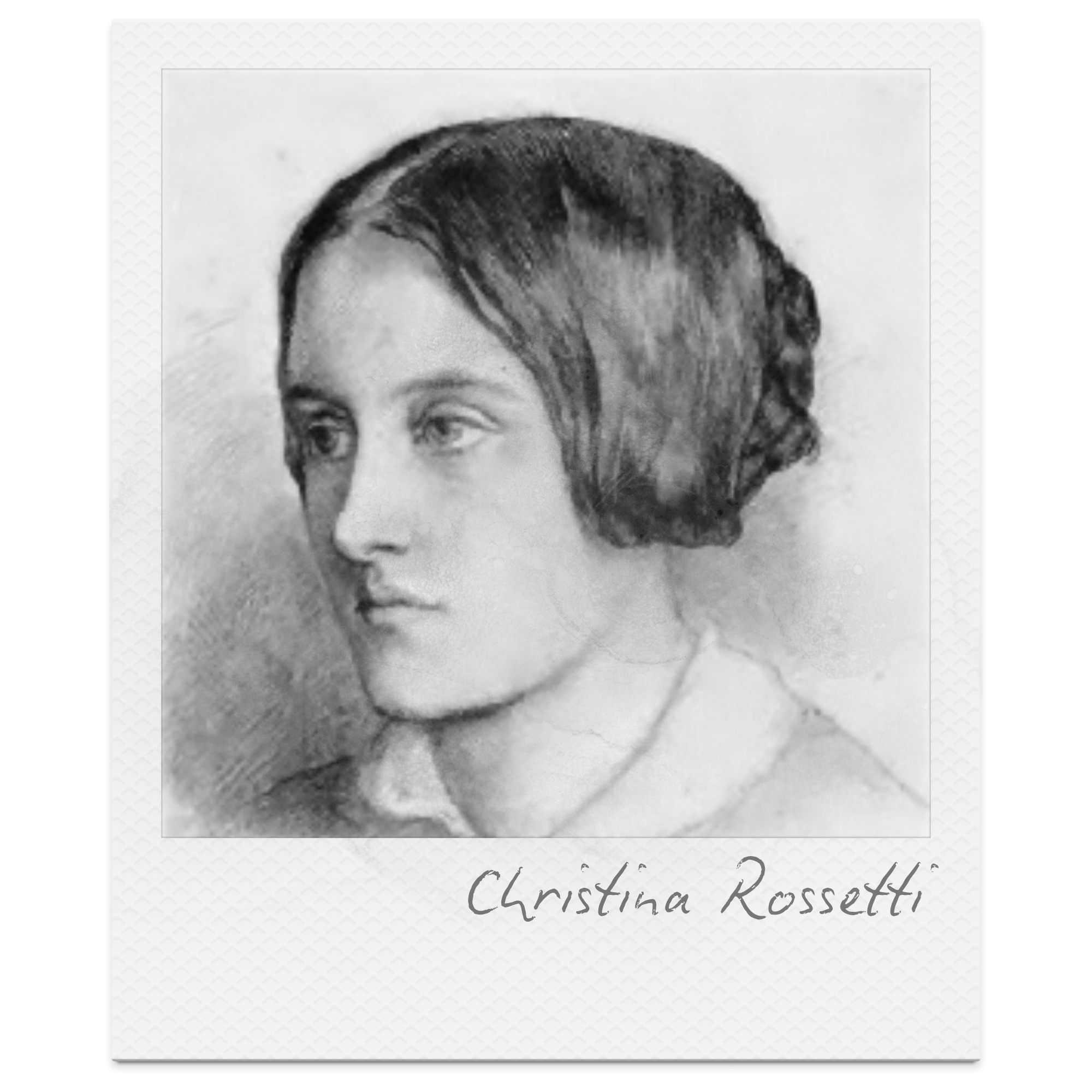
Christina Rossetti’s poetry is shaped by religious discipline, emotional restraint, and sustained psychological conflict. Writing within the pressures of Victorian gender norms and devotional expectation, Rossetti explores what happens when desire must be suppressed, faith demands self-surveillance, and feeling is carefully managed rather than released. Her poems rarely offer resolution, instead lingering in states of waiting, silence, and endurance, where emotional tension is contained beneath deceptively simple forms. Reading Rossetti in context reveals how her work engages with mental health, spiritual doubt, and the governance of emotion in nineteenth-century literature. Through repetition, restraint, and withheld voice, Rossetti constructs lyric speakers who negotiate authority internally, making her poetry particularly rich for close reading and thematic interpretation. This contextual overview provides a foundation for exploring Rossetti’s enduring significance across Victorian poetry, psychological realism, and modern critical debate.
The Shoe Lesson: A Simple, Powerful Creative Writing Activity
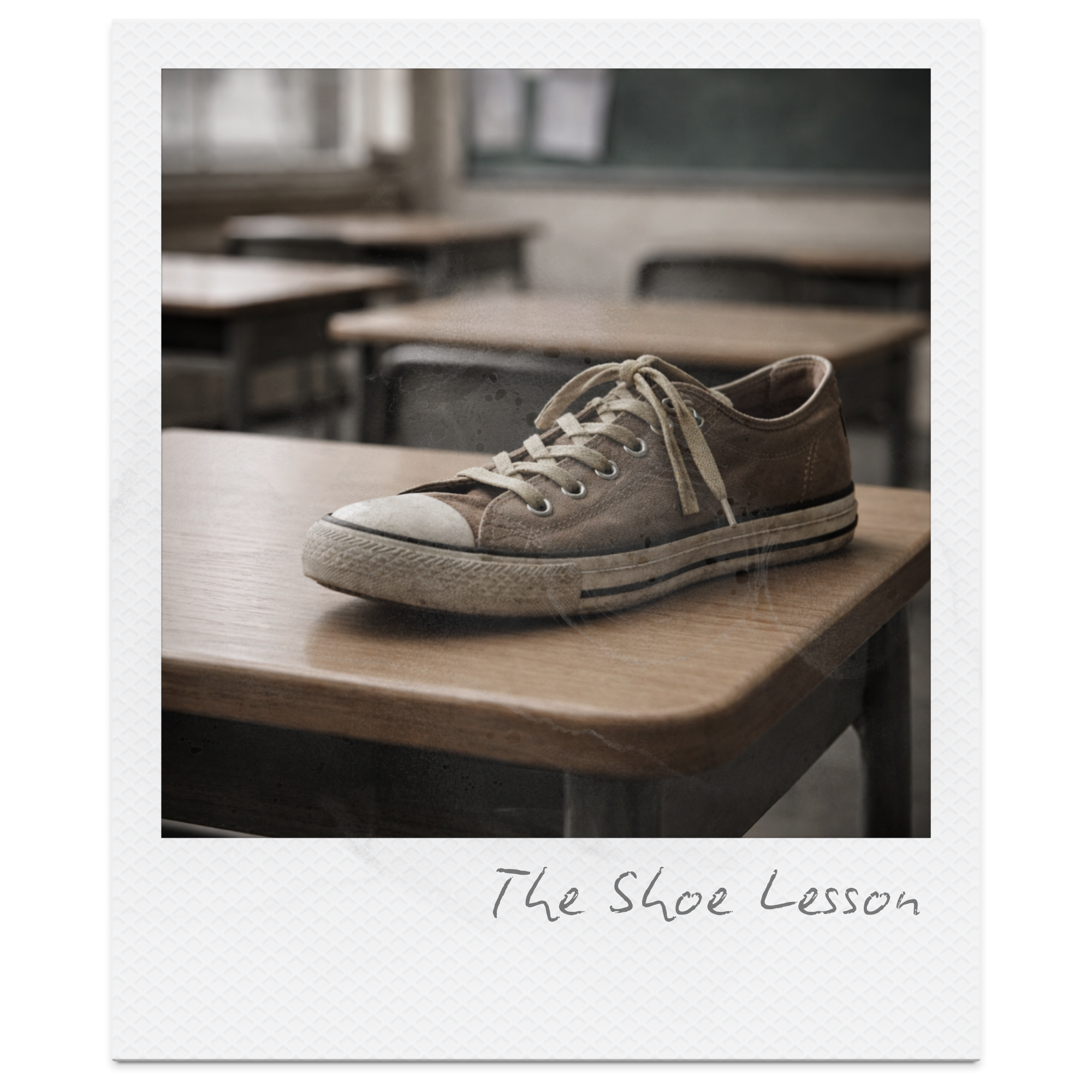
The Shoe Lesson is a simple but powerful creative writing activity that helps students develop believable characters without the fear of the blank page. By giving students a single, ordinary object — a shoe — this lesson encourages close observation, inference, and thoughtful character development. It works particularly well in the secondary English classroom, where students often struggle to move beyond surface-level description or feel pressured to “be creative” on demand. Used at the start of a creative writing unit, the Shoe Lesson invites students to build characters from evidence rather than imagination alone. Scuffed soles, worn laces, and small details become clues to a life beyond the page, leading to writing that feels grounded, realistic, and human. It’s a low-stakes, high-impact approach that consistently engages even reluctant writers — and proves that the most powerful stories often begin with the most ordinary things.
Edgar Allan Poe: Context, Themes, and Literary Significance
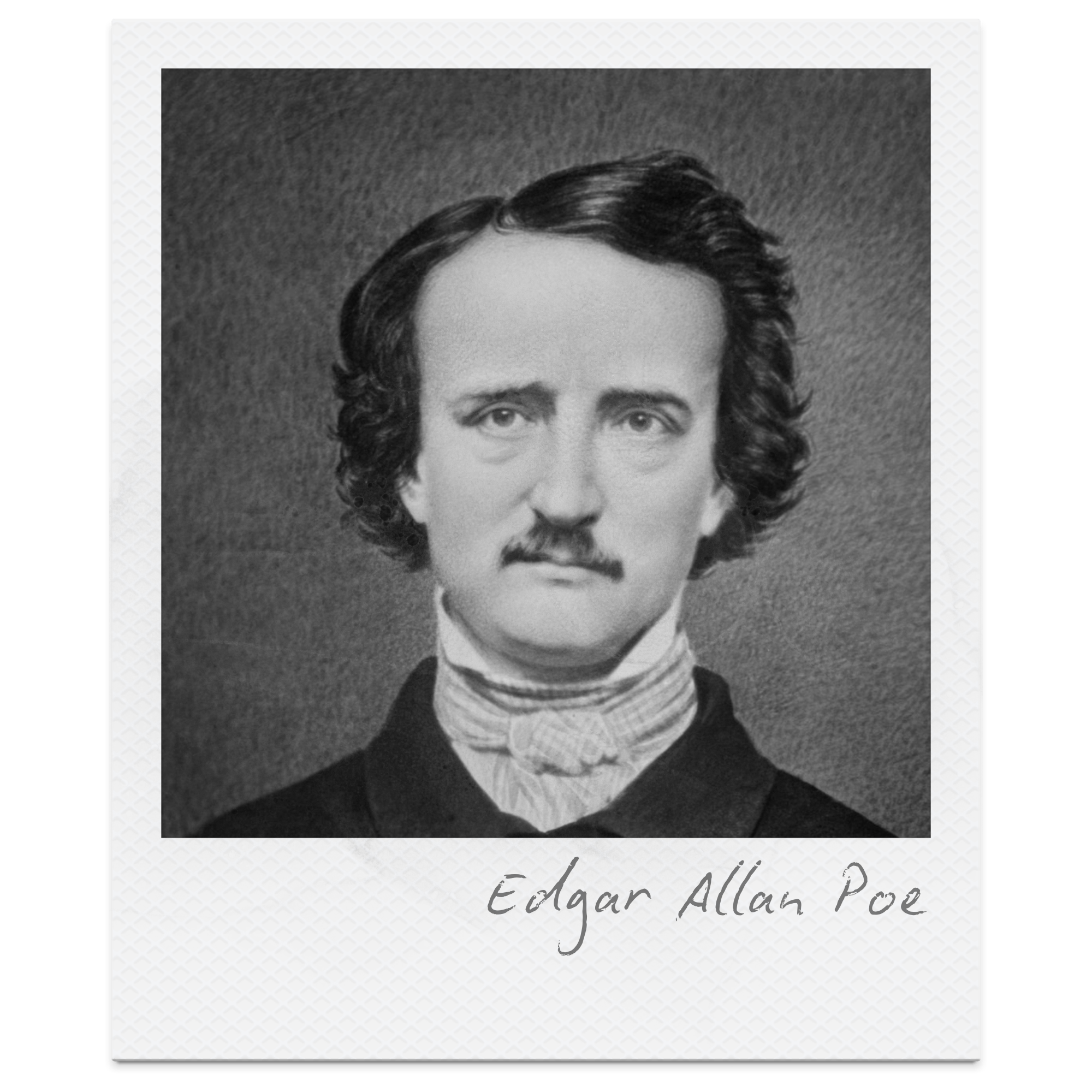
Edgar Allan Poe is one of the most widely taught American writers in the secondary English classroom, known for his Gothic fiction, psychological narratives, and influential detective stories. Writing in the early nineteenth century, Poe explored themes of unreliable narration, guilt, obsession, and moral ambiguity, using tightly controlled structure and atmosphere to shape reader interpretation. His work rewards close reading and discussion, making it particularly effective for developing analytical confidence. This guide explores Edgar Allan Poe’s historical context, recurring themes, and literary significance, offering a framework for understanding how his writing operates across poetry and short fiction. Rather than focusing on plot or biography, it examines how Poe uses voice, perspective, and implication to generate meaning, supporting discussion-led teaching and thematic study in the secondary English classroom.
70 Urban Legend–Inspired Writing Prompts for Teens: Modern Folklore, Myths & Unseen Threats
Urban legends live in the space between belief and denial — stories passed quietly, rarely confirmed, and shaped by repetition rather than proof. Rooted in modern folklore, these narratives attach unease to ordinary places and routines, transforming roads, buildings, and shared habits into sources of quiet tension. This collection of 70 Urban Legend–Inspired Writing Prompts for Teens brings together plot hooks, opening and closing lines, character ideas, settings, and visual inspiration designed for atmosphere-driven storytelling. Ideal for creative writing lessons, classrooms, and independent projects, the prompts encourage writers to explore modern myths, uncertainty, and consequence with restraint rather than spectacle.
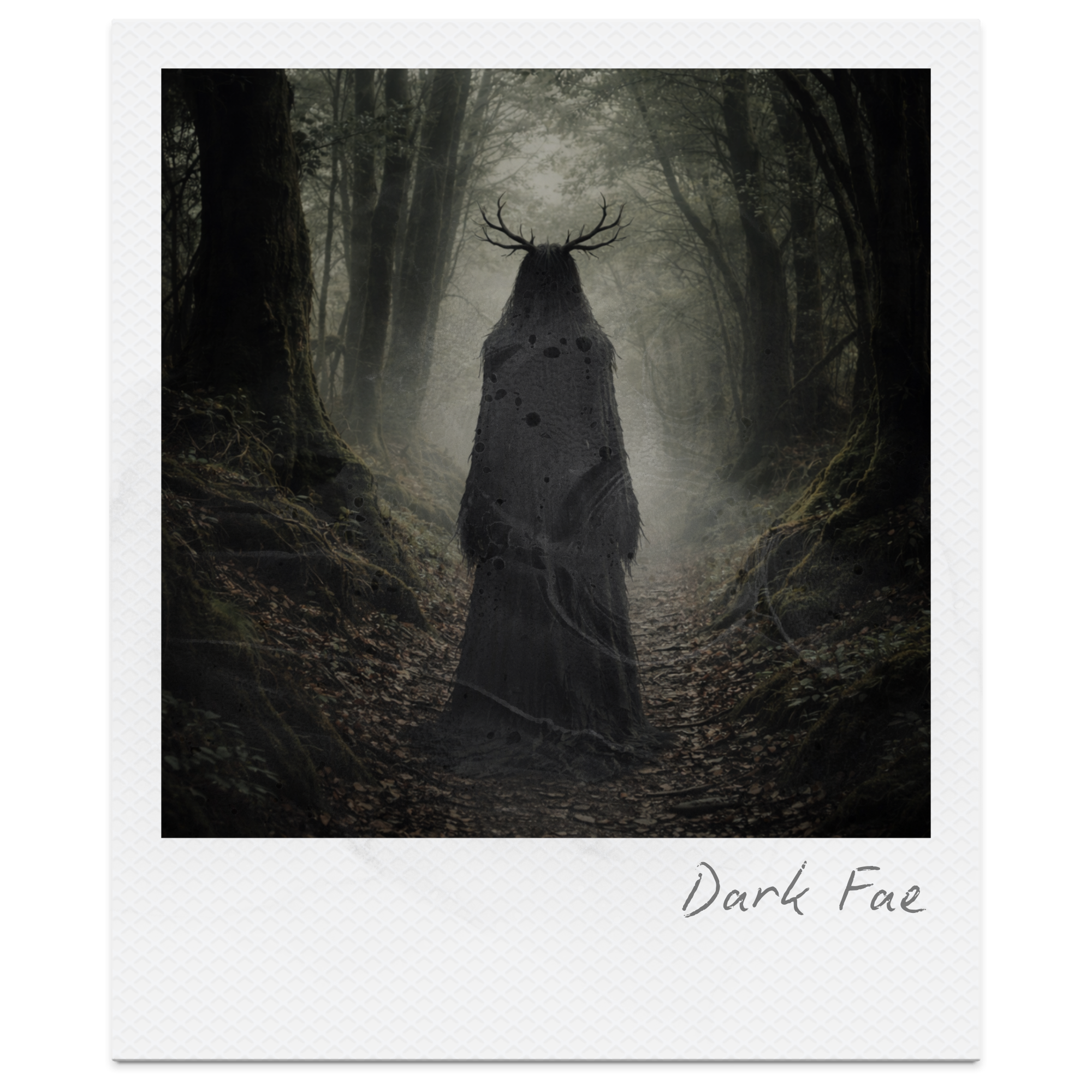
70 Dark Fae & Folklore Writing Prompts: Fantasy Story Starters, Characters, Settings & Visual Ideas
Dark fae and folklore stories sit at the uneasy edges of fantasy — where beauty conceals danger, bargains carry consequences, and the supernatural follows rules that do not bend for human comfort. Rooted in fae mythology, folklore traditions, and dark fantasy, these stories explore power, temptation, and survival through atmosphere and implication rather than spectacle. This collection of 70 Dark Fae & Folklore Writing Prompts for Teens offers a complete creative toolkit, combining plot hooks, opening and closing lines, character ideas, setting prompts, and visual inspiration. Designed for creative writing lessons, English classrooms, and independent writing, the prompts encourage young writers to explore folklore-inspired fantasy with depth, restraint, and narrative control.
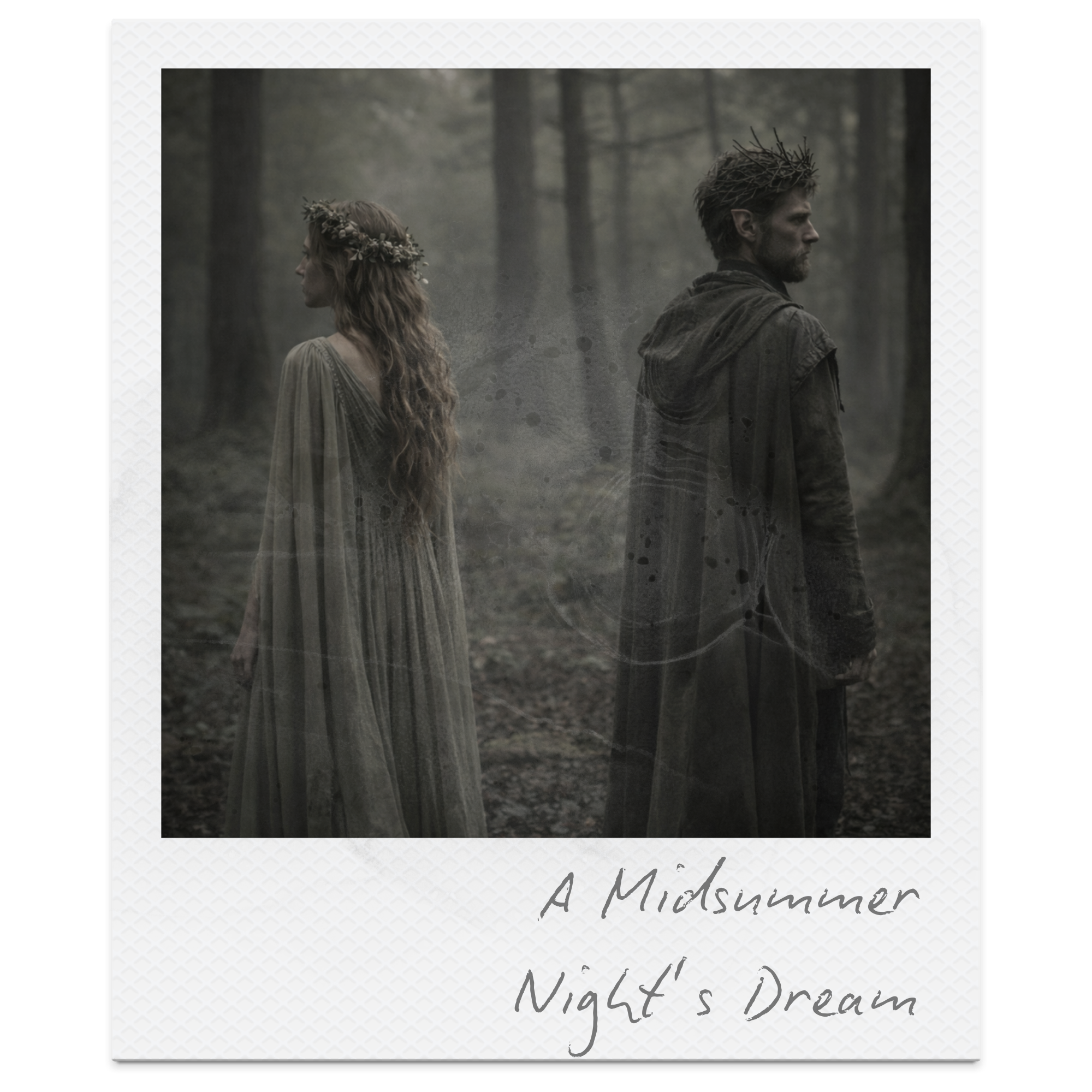
A Midsummer Night’s Dream: Overview, Context, Key Ideas & Teaching Approaches
A Midsummer Night’s Dream is often taught as one of William Shakespeare’s lightest comedies, yet beneath its enchantment and humour lies a complex exploration of power, desire, authority, and social control. Set between the rigid law of Athens and the destabilising freedom of the forest, the play uses comedy, magic, and mistaken identity to expose how easily order can fracture — and how carefully it must be restored. This context-led overview explores A Midsummer Night’s Dream through historical background, genre, and key ideas, before considering effective ways to teach the play through discussion, performance, and creative writing. Rather than offering close analysis of individual scenes, it provides a framework for understanding how the play operates as a whole, and why it continues to reward reinterpretation, classroom debate, and creative response.
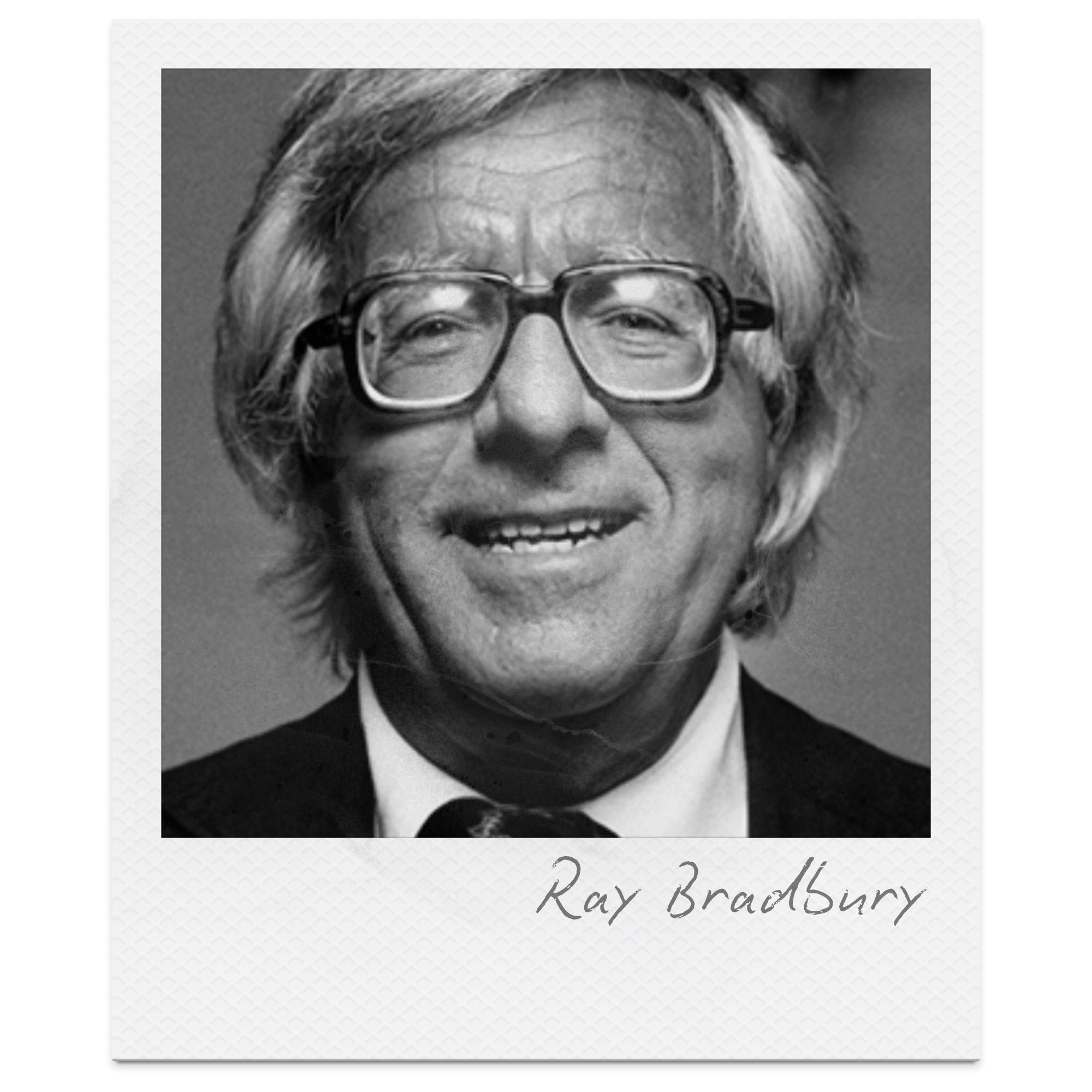
Ray Bradbury: Context, Themes, Works & Literary Significance
Ray Bradbury’s fiction is often associated with dystopian futures and speculative technologies, but his work is best understood through the historical and cultural context in which it was written. Emerging in mid-twentieth-century America, Bradbury wrote during a period shaped by war, Cold War paranoia, mass media expansion, and growing anxieties about conformity and control. His stories use speculative settings not to predict the future, but to expose how fear, censorship, and emotional detachment operate within ordinary domestic and social spaces. This context-focused overview explores the key themes that define Ray Bradbury’s work, including technology versus humanity, media and passive living, parental responsibility, childhood and power, and moral failure. Rather than offering close analysis of individual texts, it provides a broader framework for understanding how Bradbury uses speculative fiction to examine human behaviour, ethical responsibility, and the consequences of choosing comfort over connection.
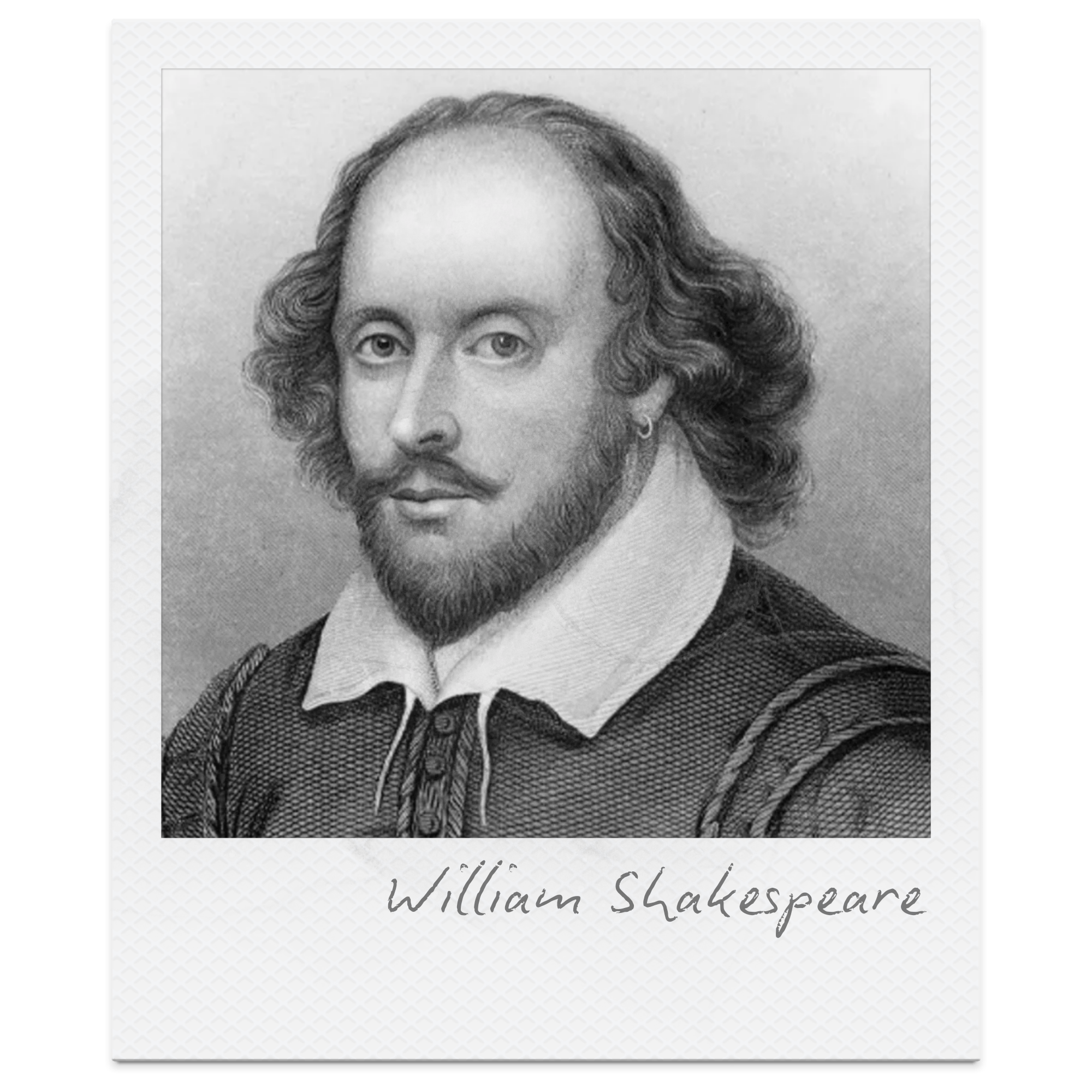
William Shakespeare: Context, Themes, Plays & Literary Significance
William Shakespeare is one of the most influential figures in English literature, yet his work is often approached without sufficient attention to historical and social context. Writing during the Elizabethan and Jacobean periods, Shakespeare explored enduring concerns around power, authority, identity, gender, violence, and moral responsibility, embedding these ideas within plays that continue to resist simple interpretation. This context post situates Shakespeare’s plays and poetry within the political, cultural, and theatrical conditions of early modern England, examining how genre, performance, and historical pressure shape meaning across his work. Rather than focusing on individual texts, it provides a framework for understanding Shakespeare’s literary significance, offering a foundation for deeper exploration of themes, genres, and plays across the wider Literature Library.

Velvet Shadows and Candlelight: Why Darkness Belongs in the Classroom
Why are teens drawn to dystopias, gothic settings, and grief-soaked poetry? The answer might be simpler than you think. In this post, we explore how darker stories offer emotional depth, powerful writing opportunities, and space for healing inside the classroom.
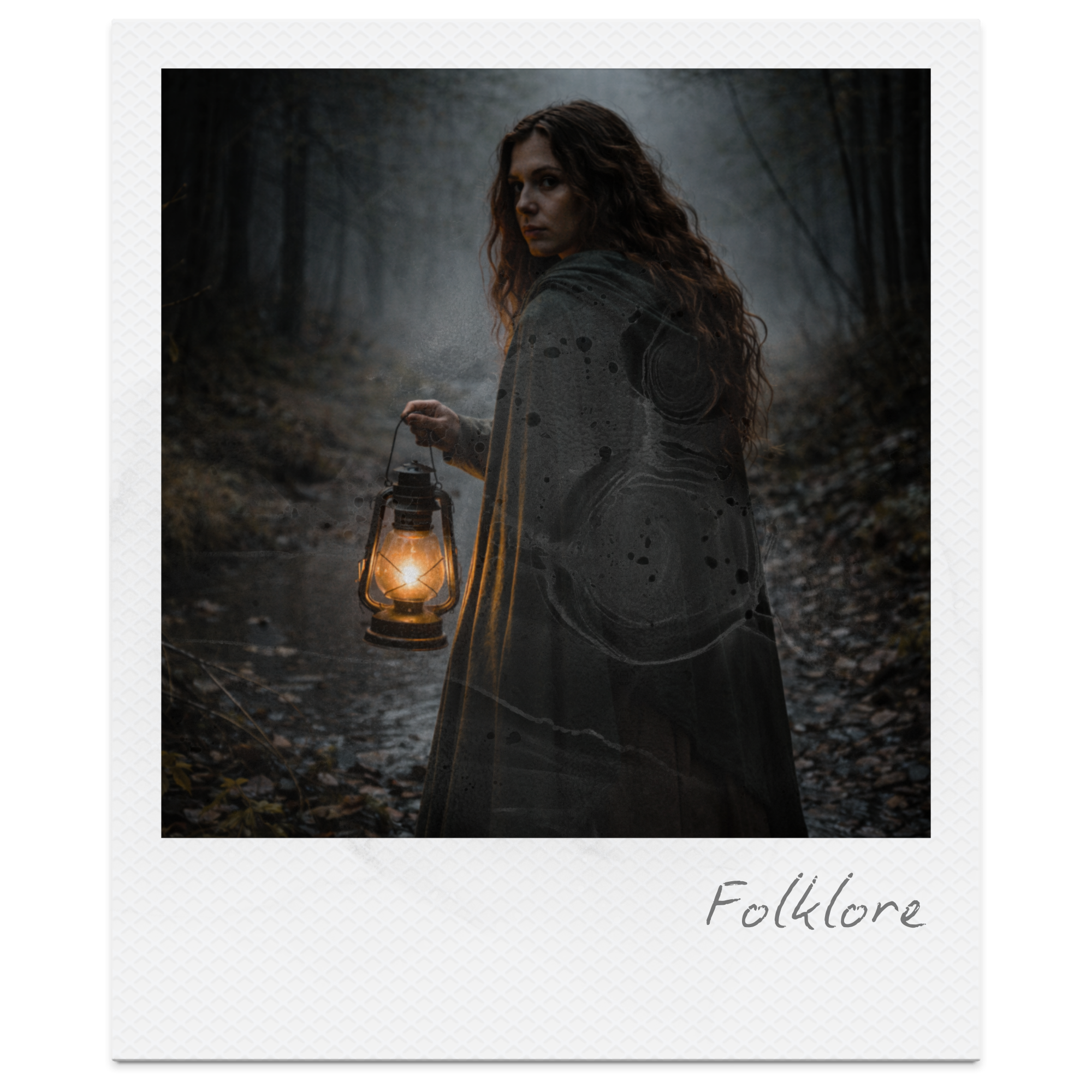
70 Folklore Writing Prompts for Teens: Myths, Legends, Warnings & Old Stories Reimagined
Folklore stories have been passed down for generations as warnings, explanations, and shared memory rather than entertainment. Rooted in myths, legends, and oral storytelling traditions, folklore explores unspoken rules, inherited beliefs, and the consequences of crossing boundaries that exist for a reason. These folklore writing prompts for teens invite writers to reimagine traditional stories through atmosphere, symbolism, and restraint rather than spectacle. This collection of 70 Folklore Writing Prompts for Teens includes plot hooks, opening and closing lines, character and setting ideas, and ekphrastic picture prompts inspired by global folklore traditions. Designed for creative writing lessons, classrooms, writing clubs, or independent practice, the prompts support original storytelling that treats folklore as living narrative — shaped by place, ritual, and memory.

10 Big Themes to Teach in Literature (That Students Actually Care About)
Tired of trying to make students care about literature? Start with themes that actually mean something to them. These ten big ideas - from identity and injustice to grief and resilience - are the ones students really connect with. Plus, I’ve included text suggestions and creative ways to teach each one.

Imposter Syndrome Is Lying to You: How to Own Your Voice in Teaching and Creativity
We don’t talk about it often, but imposter syndrome is everywhere in teaching - even among the most experienced educators. It doesn’t mean you’re failing. It means you care. And that’s a powerful place to start. In this post, I’m sharing my own experience with doubt, growth, and why your voice matters more than you think.
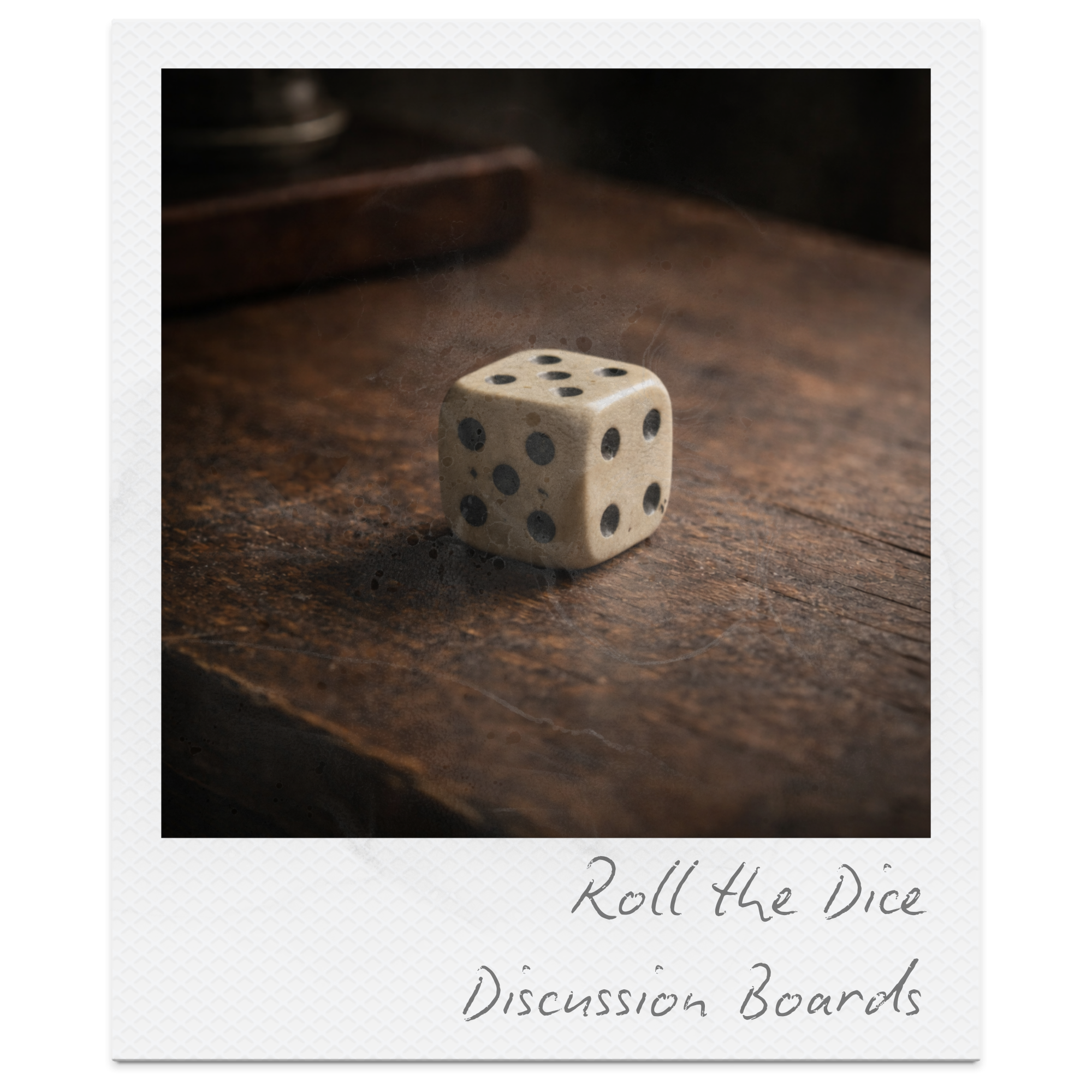
Roll-the-Dice Discussion Boards for Literature | A Student-Led Alternative to Traditional Questions
Traditional literature discussion questions don’t always work. Too often, the same few students dominate while others stay silent or disengaged. Roll-the-Dice Discussion Boards offer a student-led, gamified alternative that transforms classroom discussion into something more inclusive, thoughtful, and genuinely engaging. In this post, I explain why I swapped traditional discussion questions for roll-the-dice boards, how they work in real KS3–KS5 classrooms, and why they lead to deeper interpretation across poetry, novels, short stories, and Shakespeare. You’ll find practical classroom tips, teacher feedback, free examples to try, and ideas for building confident, meaningful literary discussion.
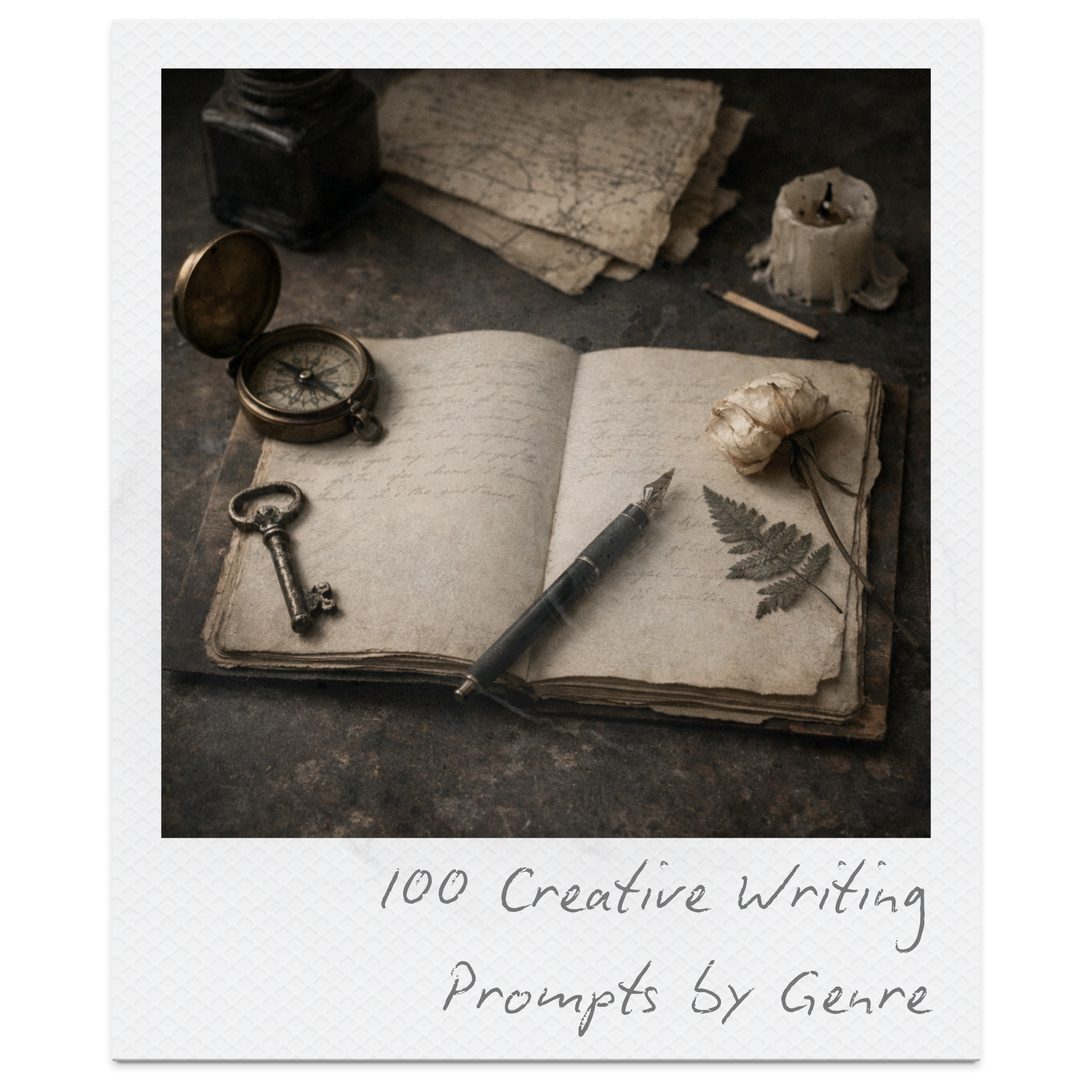
100 Creative Writing Prompts Sorted by Genre: A Go-To List for Students & Teachers
Struggling to find creative writing ideas that genuinely engage students? This go-to list brings together 100 creative writing prompts sorted by genre, making it easy to match prompts to different writing styles, lesson goals, and student interests. From fantasy and science fiction to personal narrative, gothic, and contemporary fiction, each section offers clear inspiration without overwhelming choice. Designed for students and teachers, these prompts work as lesson starters, independent writing tasks, or creative warm-ups. The post also includes practical teaching ideas and links to deeper genre-based collections, supporting confident, imaginative writing across a wide range of contexts.
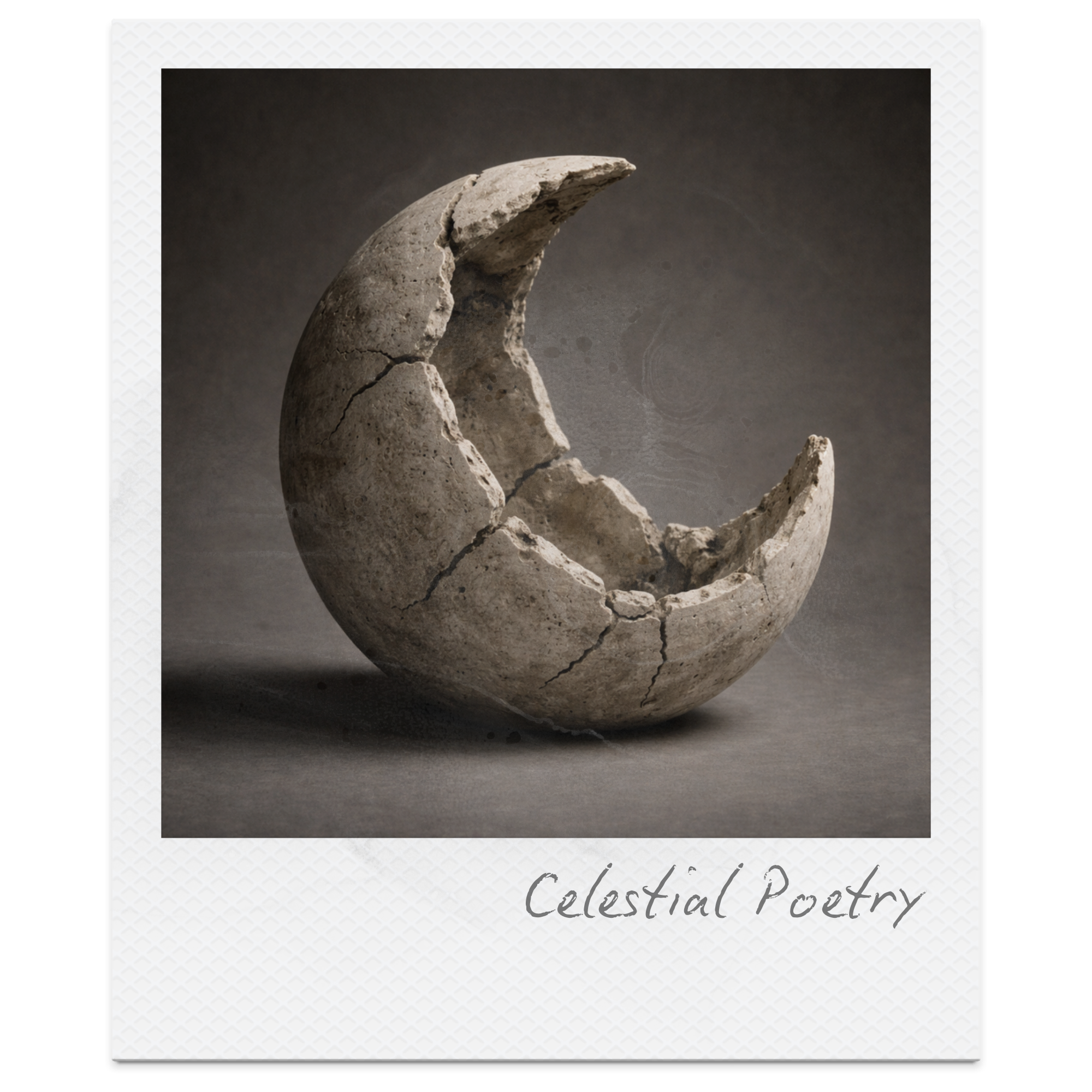
10 Celestial Poetry Prompts for Teens & Adults: Exploring Stars, Silence, and Scale
Celestial poetry uses stars, light, and distance to explore perspective, time, and quiet emotion. Rather than focusing on scientific detail, celestial poems draw on observation and restraint — using the night sky to reflect on small human moments set against vast scale. These celestial poetry prompts for teens and adults invite writers to work with atmosphere, silence, and imagery rather than narrative or explanation. This collection of 10 Celestial Poetry Prompts includes guided writing ideas, suggested opening lines, craft techniques, and ekphrastic image prompts inspired by the night sky. Designed for classrooms, writing groups, and independent practice, the prompts support thoughtful, craft-focused poetry writing that encourages reflection, curiosity, and emotional precision.
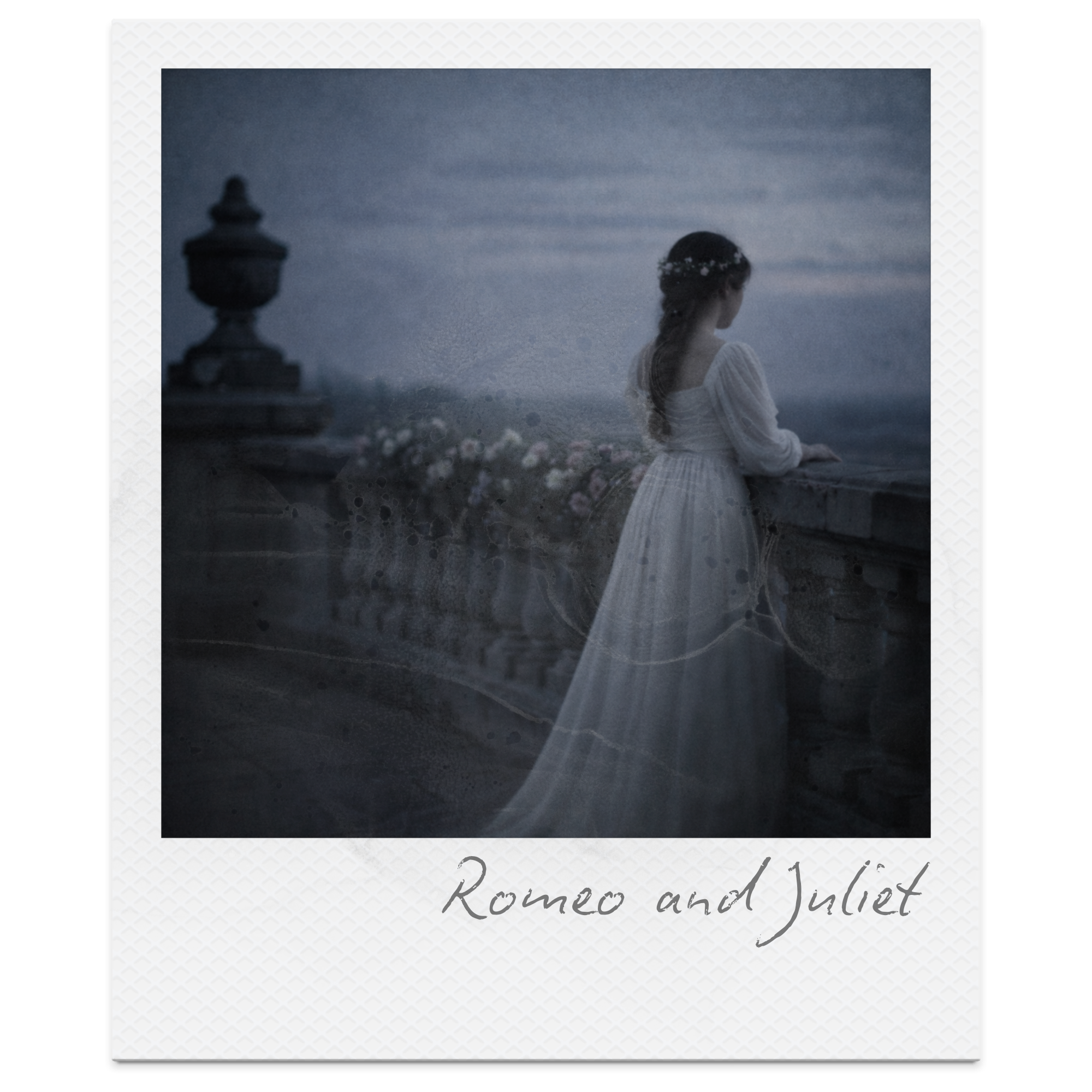
Why I Still Teach Romeo and Juliet (Even Though I Hate It) — And Why It Still Works in the Classroom
Why does Romeo and Juliet still earn its place in the English classroom, even when it’s so often misunderstood? This reflective teaching post explores why Shakespeare’s most over-romanticised play continues to work with students, examining impulsiveness, authority, and avoidable loss rather than idealised love. By reframing the play away from romance and towards consequence, Romeo and Juliet becomes far more relevant — and far more teachable. Drawing on classroom experience, this post explores how and why to teach Romeo and Juliet, from contextualising it within Shakespeare’s wider work to using discussion, creative writing, and debate to deepen understanding. It also shares classroom-tested strategies and resources designed to support meaningful engagement with the play across secondary English.
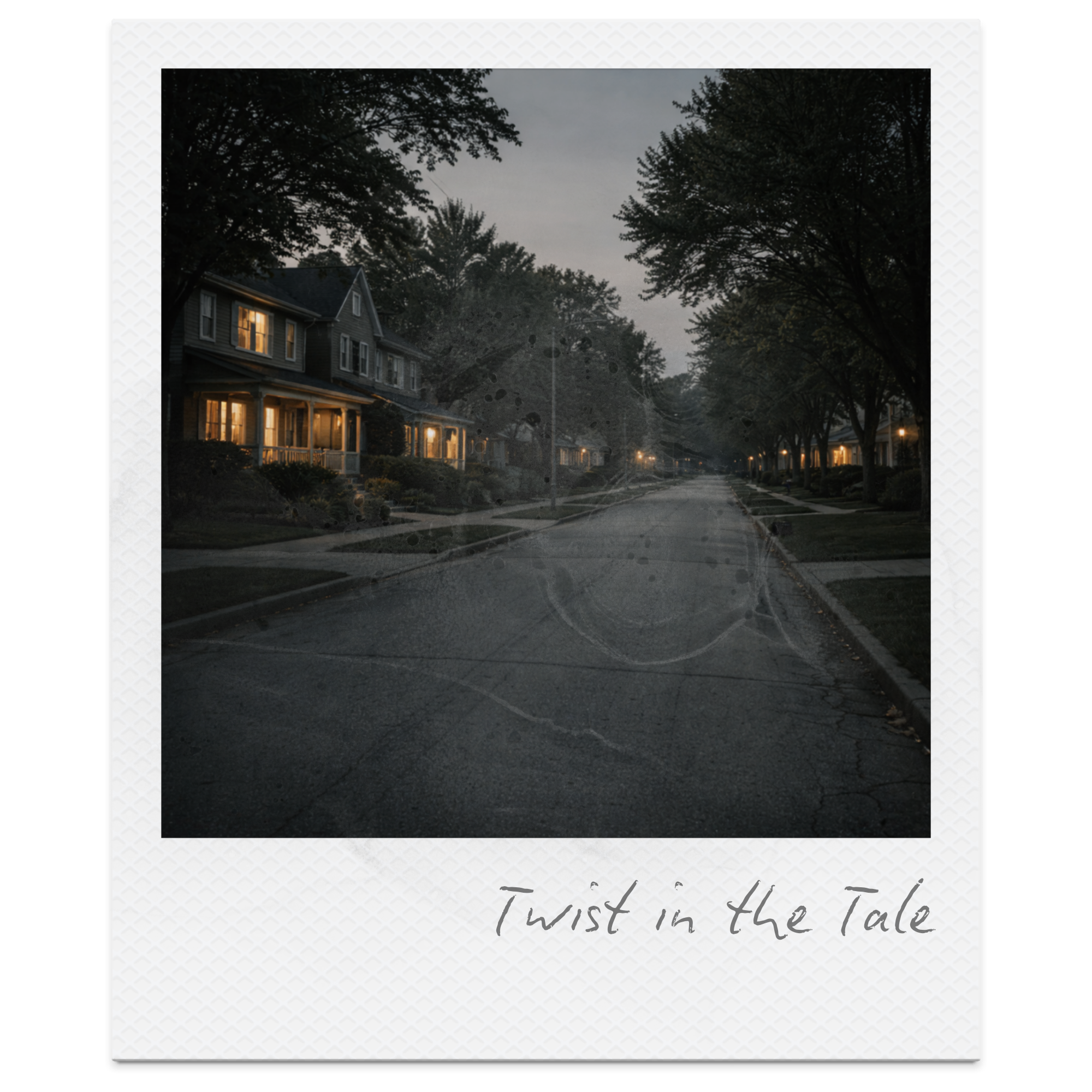
70 Twist-in-the-Tale Writing Prompts for Teens: Unexpected Endings, Reversals & Story Turns
Twist-in-the-tale stories rely on misdirection, withheld information, and narrative control rather than shock. These twist-in-the-tale writing prompts for teens help young writers explore unexpected endings, reversals, and narrative turns through carefully structured plot hooks, opening lines, character ideas, settings, and closing lines that reward hindsight rather than surprise. This collection of 70 Twist-in-the-Tale Writing Prompts is designed for English classrooms, creative writing lessons, and independent practice, supporting short fiction, flash narratives, and longer story projects. By focusing on perspective, reliability, and foreshadowing, the prompts encourage confident, craft-led storytelling where the ending reshapes meaning instead of explaining it.
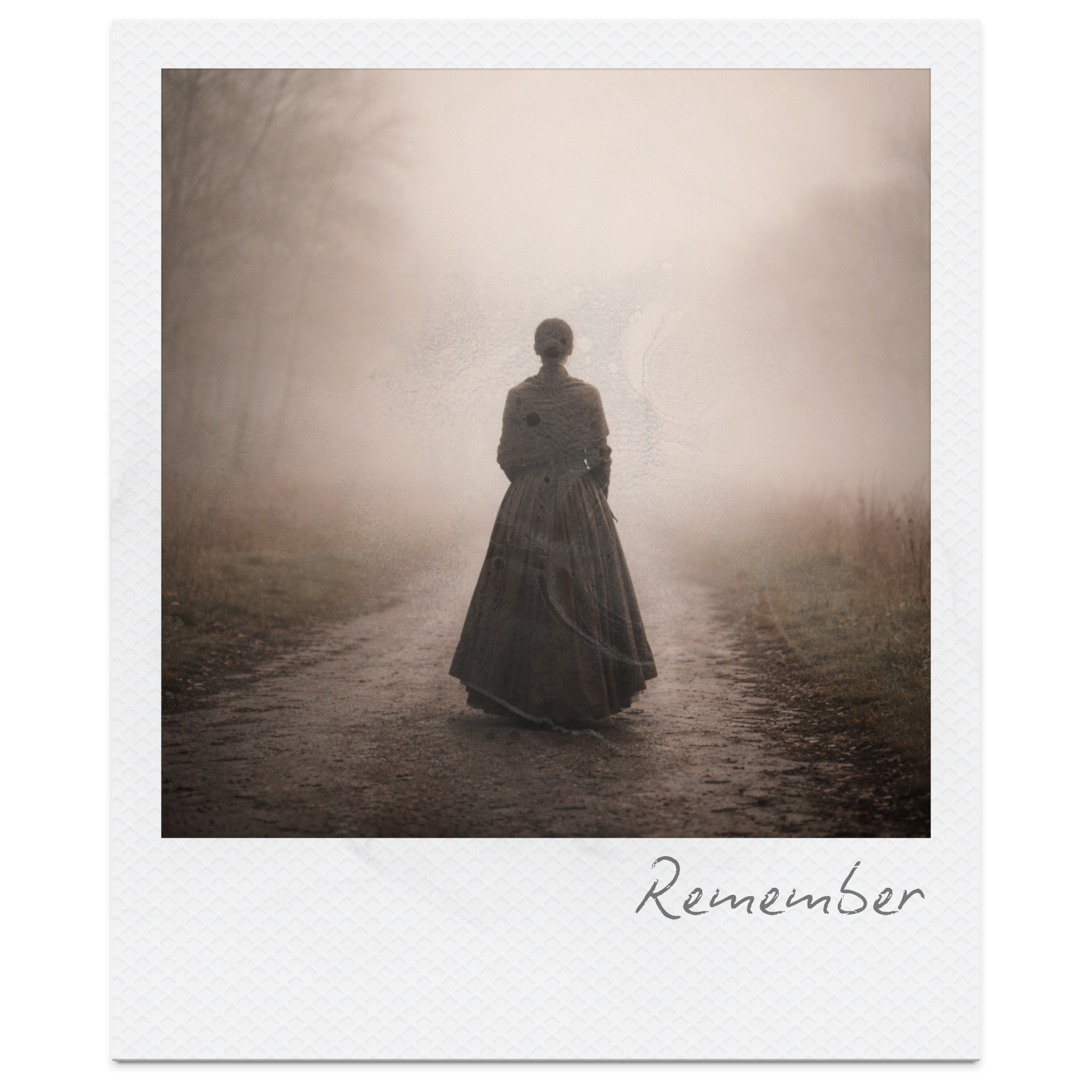
Remember by Christina Rossetti: Summary, Meaning & Critical Analysis
“Remember” by Christina Rossetti is a poem frequently taught at GCSE, AS, and A Level, yet its emotional restraint and moral complexity are often underestimated. At first glance, the poem appears to present a speaker asking to be remembered after death. However, as this Petrarchan sonnet unfolds, Rossetti complicates that request, transforming it into a meditation on love, memory, and loss that prioritises emotional responsibility over personal desire. Rather than offering consolation, the poem quietly interrogates whether remembrance is always an act of kindness. Written with careful control of form, tone, and structure, Remember traces a shift from quiet insistence to deliberate self-denial. Through subtle changes in voice and imagery, Rossetti reframes forgetting as a potential expression of love rather than betrayal. This critical analysis of “Remember” by Christina Rossetti explores the poem’s meaning, its treatment of death and remembrance, and the literary methods that make it one of Rossetti’s most ethically complex and quietly radical sonnets. If you’re teaching Remember in the classroom, keep scrolling for free essay questions on “Remember” by Christina Rossetti, along with discussion ideas and close-reading activities.