Notes from the Inkpot
Writing, teaching, creating - one ink-stained idea at a time.

Ulalume by Edgar Allan Poe: Summary, Themes, Meaning & Analysis
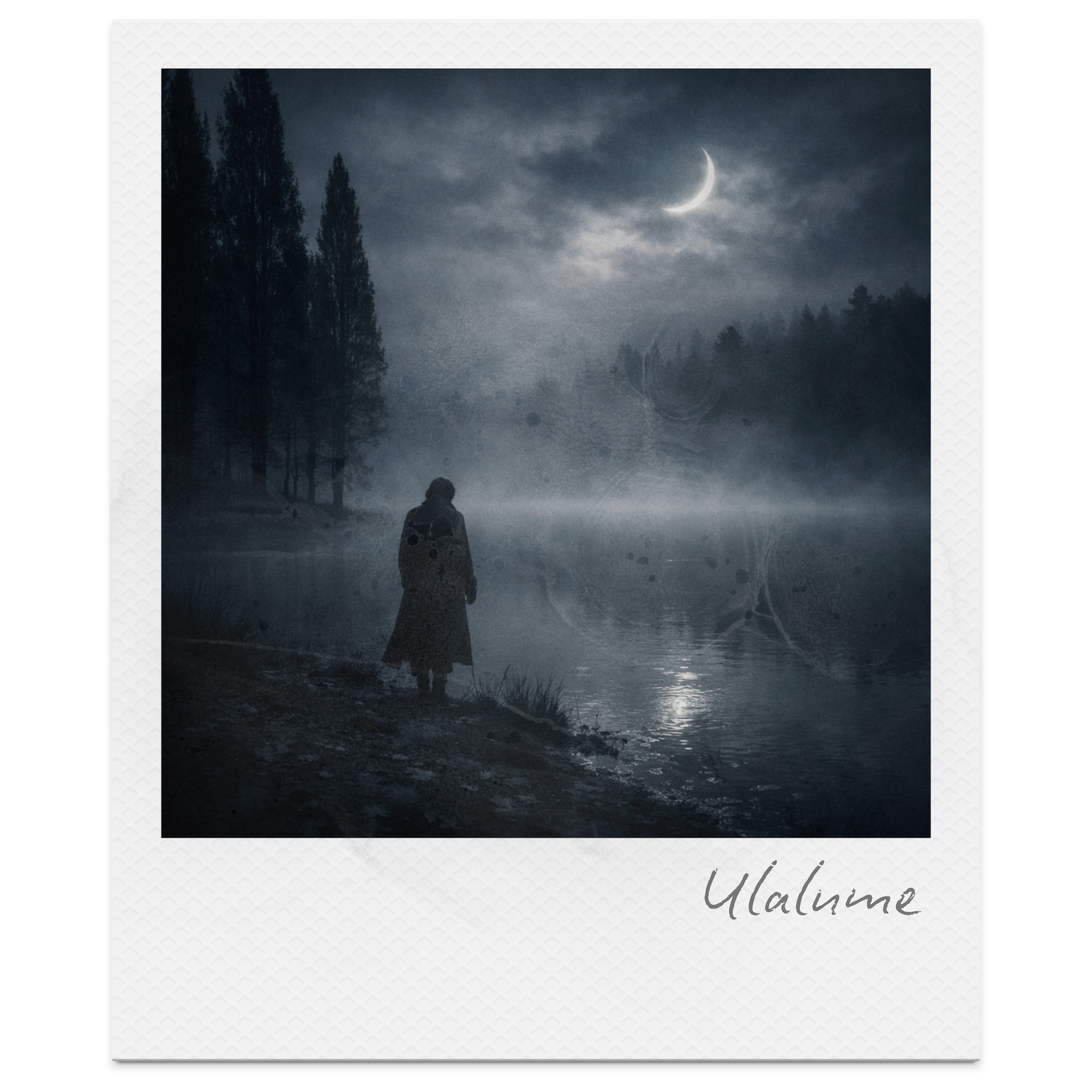
Edgar Allan Poe’s Ulalume is a haunting exploration of grief, memory, and the unconscious mind, unfolding through a dreamlike journey into a desolate, symbolic landscape. Following a speaker who unknowingly retraces his steps to the tomb of his lost love, the poem reveals how repressed memory continues to shape perception and behaviour, even when consciously denied. Through its hypnotic rhythm, repetition, and rich Gothic imagery, Poe creates a psychological experience that blurs the boundary between reality and illusion. At its core, Ulalume examines the tension between denial and recognition, as the speaker projects hope onto a mysterious celestial light, only to be led back to the very truth he seeks to avoid. The poem’s cyclical structure and layered symbolism reveal grief as something inescapable and deeply embedded, offering a powerful meditation on how the mind responds to loss. This analysis explores the poem’s structure, key themes, and techniques, providing a clear and insightful guide for students and teachers alike.
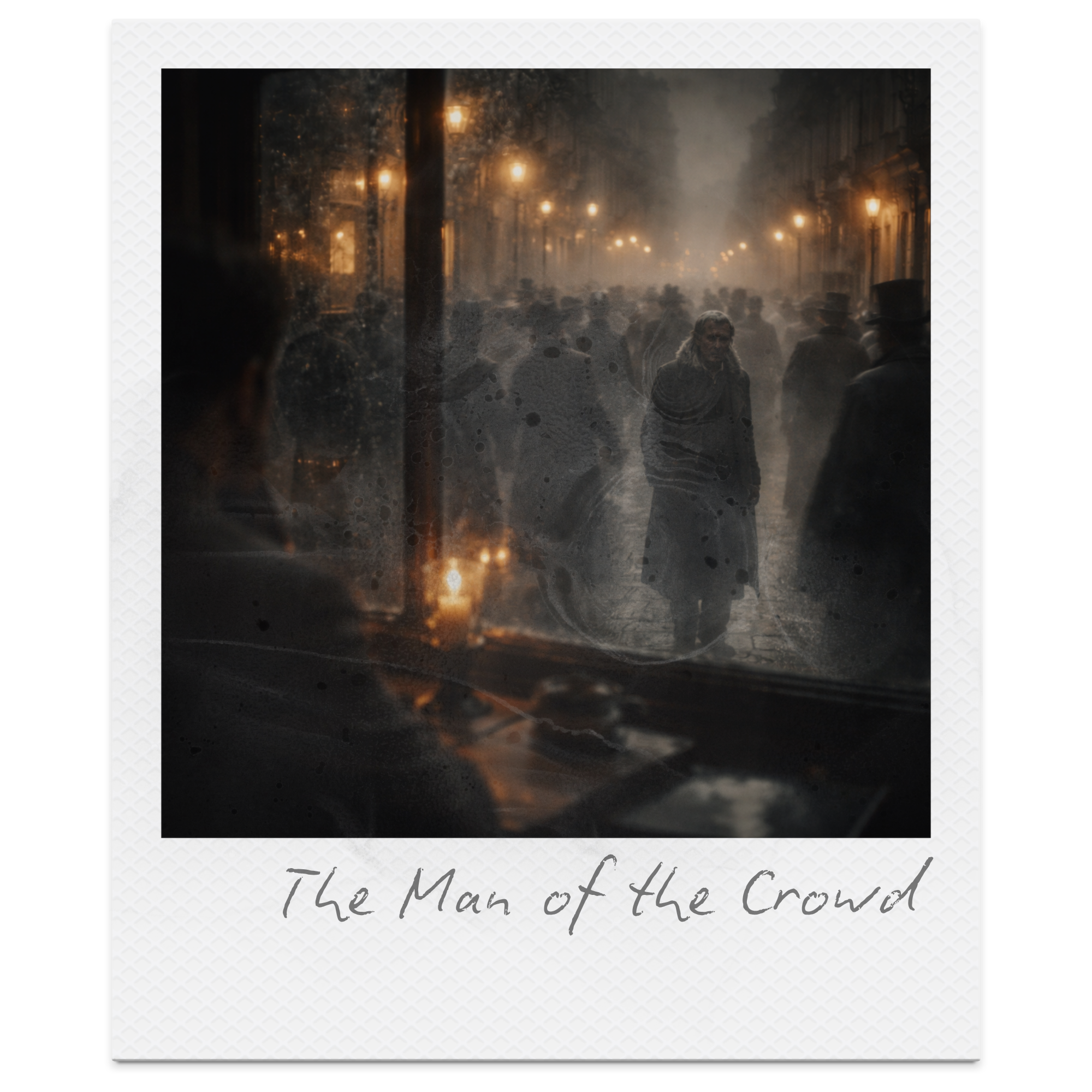
The Man of the Crowd by Edgar Allan Poe: Summary, Themes, Symbolism & Psychological Analysis
The Man of the Crowd by Edgar Allan Poe is a compelling exploration of urban anonymity, psychological obsession, and the limits of human understanding. Set against the restless backdrop of London, the story follows a narrator who becomes fixated on a mysterious old man whose expression defies interpretation. What begins as casual observation quickly develops into an intense pursuit, raising unsettling questions about whether people can ever truly be known. At its core, the story examines identity, surveillance, alienation, and unknowability, presenting the modern city as a space where individuals are both constantly visible and fundamentally hidden. Through its cyclical structure and ambiguous ending, Poe challenges the idea that observation leads to truth, instead suggesting that some lives — and some minds — remain permanently beyond comprehension.
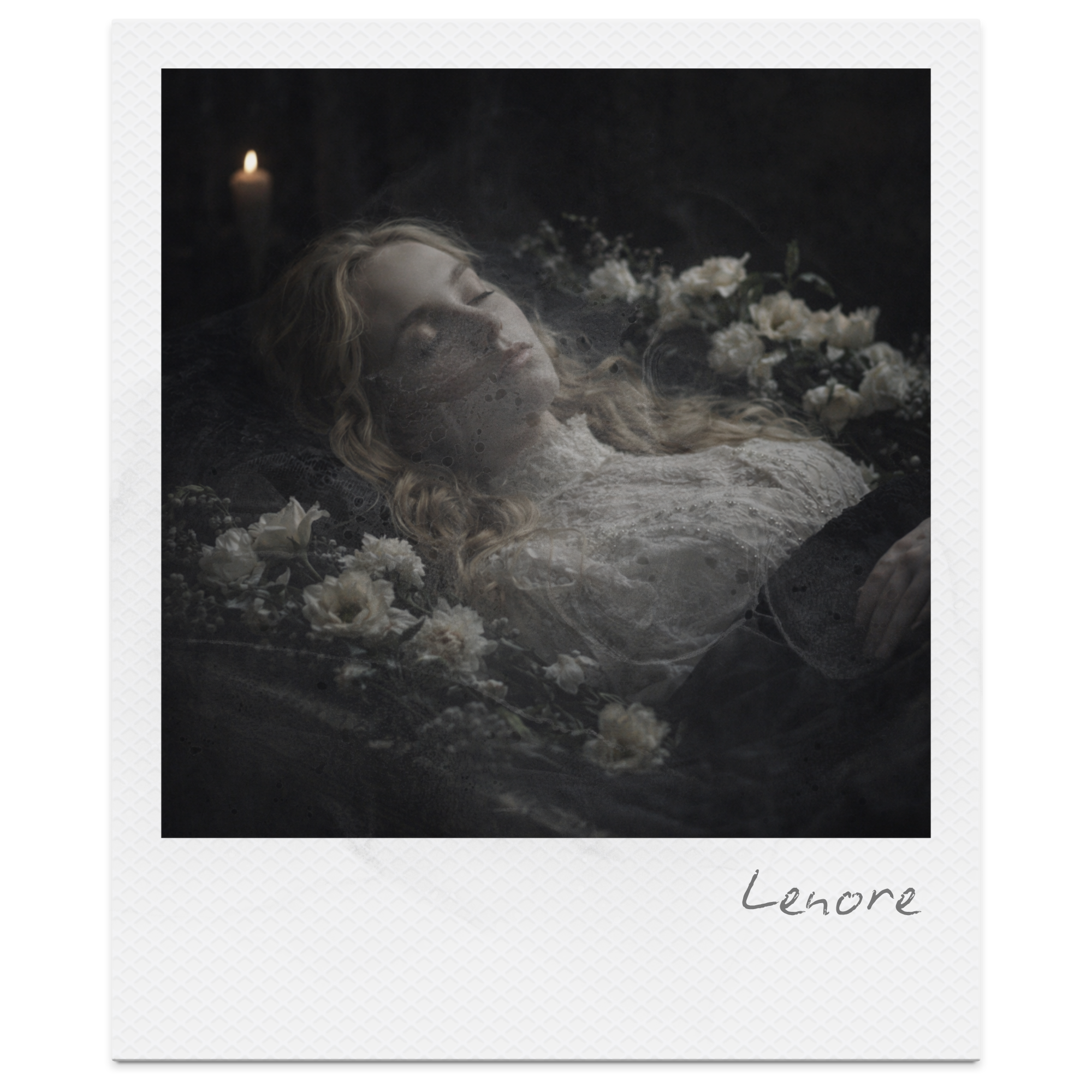
Lenore by Edgar Allan Poe: Summary, Themes, Meaning, Death & Defiance Analysis
Lenore by Edgar Allan Poe is a powerful exploration of death, mourning, and the rejection of false grief, offering a striking contrast to more traditional elegies. Rather than presenting sorrow as the only response to loss, Poe introduces a speaker who challenges ritual mourning and social expectation, exposing the hypocrisy of those who claim to grieve while having wronged the dead in life. Through its dramatic structure and shifting voices, the poem becomes both a lament and a moral confrontation, questioning what it truly means to honour the dead. At the same time, Lenore redefines death as a form of spiritual transcendence, where loss is transformed into elevation. The speaker’s refusal to mourn suggests a deeper tension between grief and denial, leaving readers to question whether his response represents devotion or emotional resistance. Rich in religious imagery, symbolism, and sound, the poem invites multiple interpretations while maintaining a powerful focus on love, loss, and the afterlife, making it an ideal text for both classroom analysis and deeper literary study.
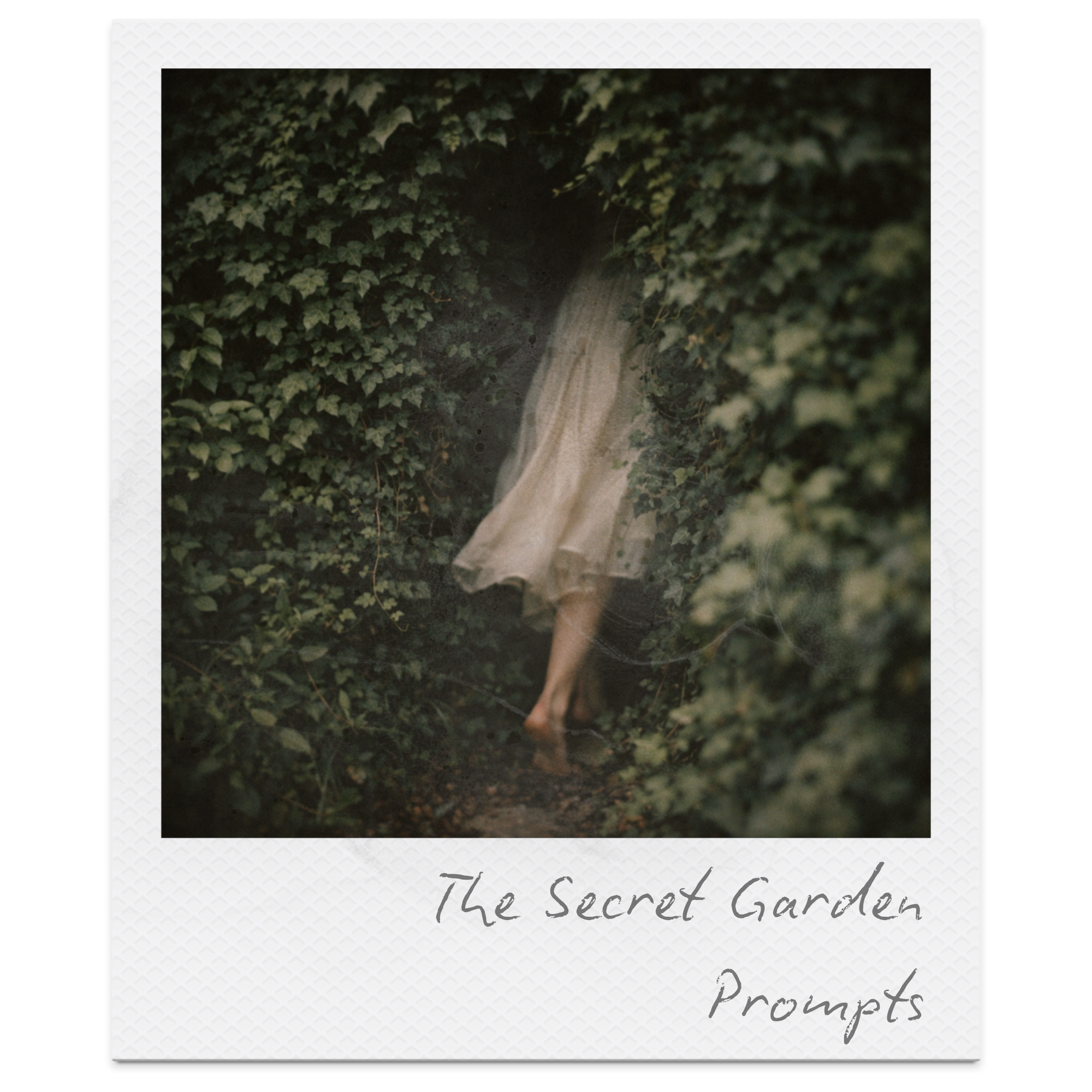
70 Creative Writing Prompts Inspired by The Secret Garden: Growth, Healing & Hidden Worlds
70 Creative Writing Prompts Inspired by The Secret Garden: Growth, Healing & Hidden Worlds offers a rich collection of atmosphere-driven prompts designed to help writers explore themes of transformation, nature, isolation, and emotional renewal. Inspired by Frances Hodgson Burnett’s classic novel, these prompts move beyond retelling the story and instead focus on the quiet, powerful changes that occur when characters connect with place, memory, and themselves. Perfect for classroom use, creative writing clubs, journaling, or independent practice, this collection includes plot hooks, opening lines, character ideas, and visual prompts that encourage symbolic thinking and reflective storytelling. Whether used as quick starters or extended writing tasks, these prompts help writers develop voice, mood, and narrative depth while engaging with one of literature’s most enduring stories of healing and growth.
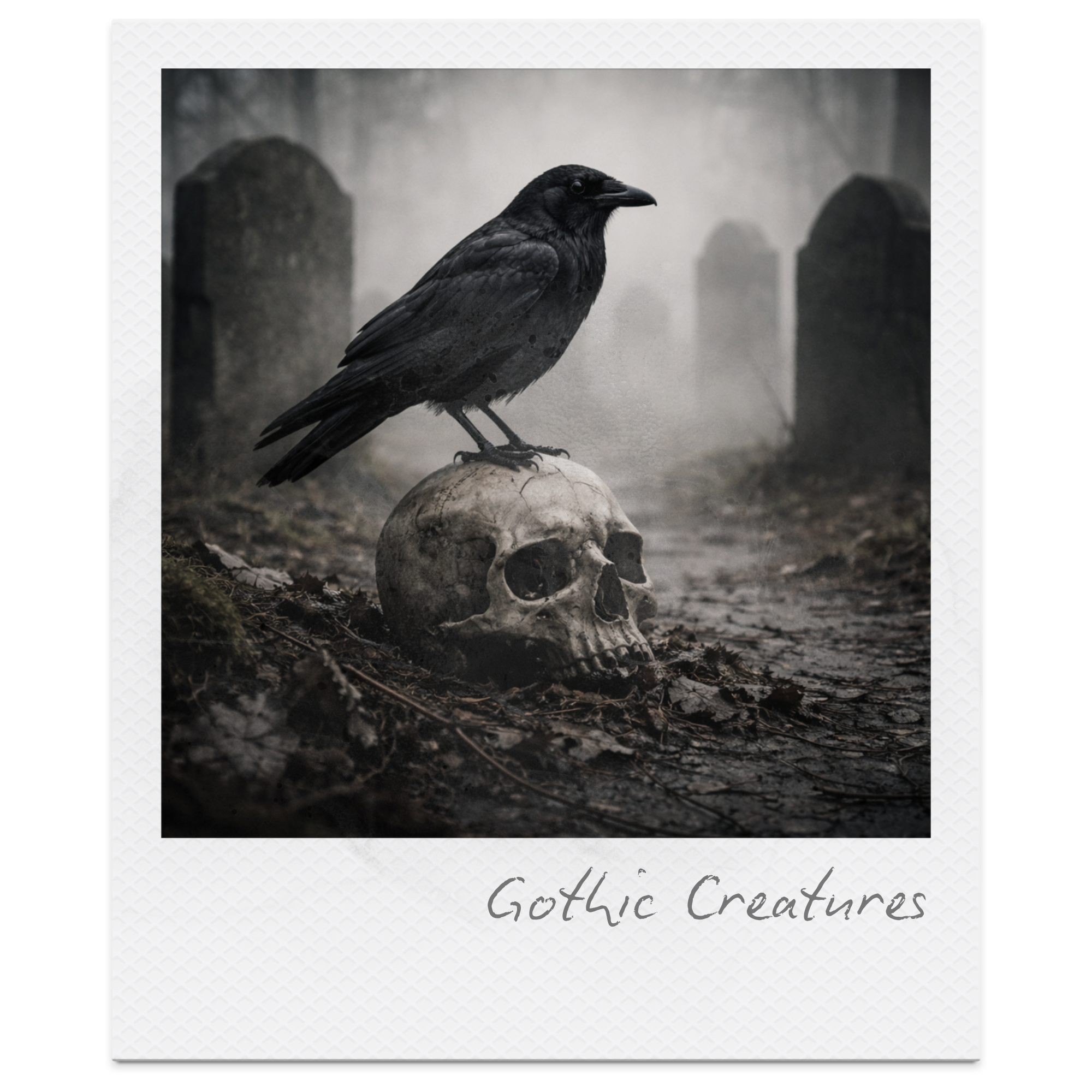
70 Gothic Creature Writing Prompts: Monsters, Myths & Unnatural Beings
Gothic creature writing prompts explore the darker edges of storytelling, where the line between human and inhuman begins to blur. Drawing on Gothic literature, supernatural folklore, and psychological horror, these prompts focus on creatures shaped by grief, obsession, decay, and memory rather than spectacle. From vampires and revenants to doppelgängers and unnamed presences, each idea invites writers to create stories where the unsettling feels intimate and the familiar becomes distorted. This collection of 70 Gothic Creature Writing Prompts offers a complete creative toolkit, including plot hooks, title ideas, opening and closing lines, character concepts, and setting prompts. Designed for atmosphere-driven storytelling, these prompts support short exercises, classroom writing, or longer Gothic and horror projects, helping writers build narratives rooted in tension, symbolism, and quiet unease.
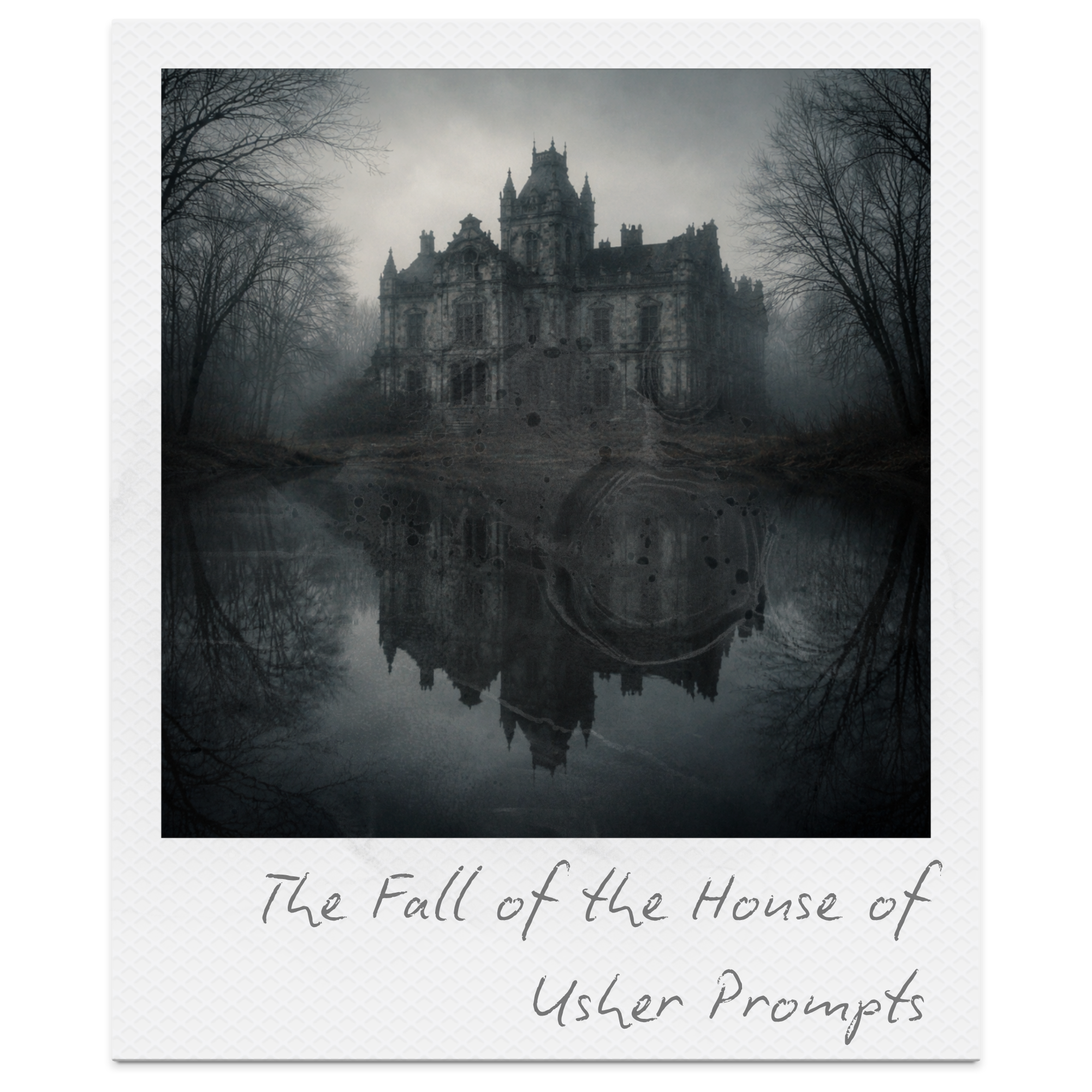
70 Creative Writing Prompts Inspired by The Fall of the House of Usher: Plot Hooks, Opening Lines, Characters & Visual Ideas
Explore 70 creative writing prompts inspired by The Fall of the House of Usher by Edgar Allan Poe. This collection draws on the story’s gothic atmosphere, psychological tension, and themes of madness, decay, and unreliable perception, helping students and writers craft original stories shaped by mood, setting, and symbolism rather than plot retelling. Ideal for classrooms, writing clubs, or independent practice, these prompts include plot hooks, opening lines, character ideas, and setting inspiration. They support both creative confidence and deeper understanding of Gothic fiction, making them a flexible tool for KS3–KS5 teaching, revision, and imaginative storytelling.
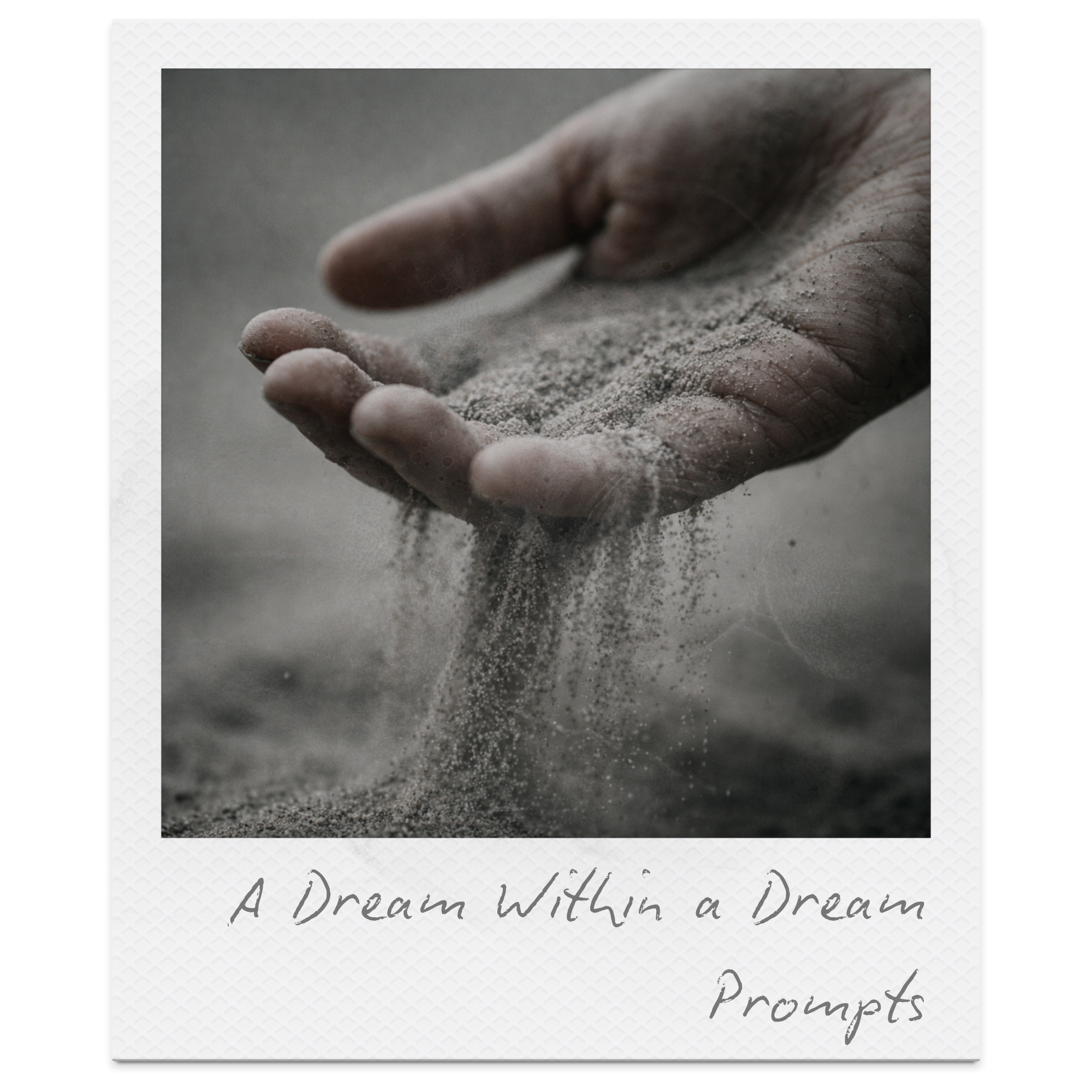
70 A Dream Within a Dream Writing Prompts: Reality, Time, Loss & Illusion
These A Dream Within a Dream writing prompts invite students to explore one of literature’s most unsettling questions: what if reality itself is uncertain? Inspired by A Dream Within a Dream, this collection focuses on illusion, time, memory, and the human desire to hold onto moments that are already slipping away. Rather than retelling the poem, these prompts encourage original storytelling shaped by atmosphere, symbolism, and emotional tension. Perfect for classrooms, writing clubs, or independent practice, these prompts help students experiment with reflective narration, dreamlike settings, and philosophical ideas about truth and perception. They can be used as quick starters or developed into longer pieces, making them a flexible tool for engaging with literature while building confidence in creative writing.
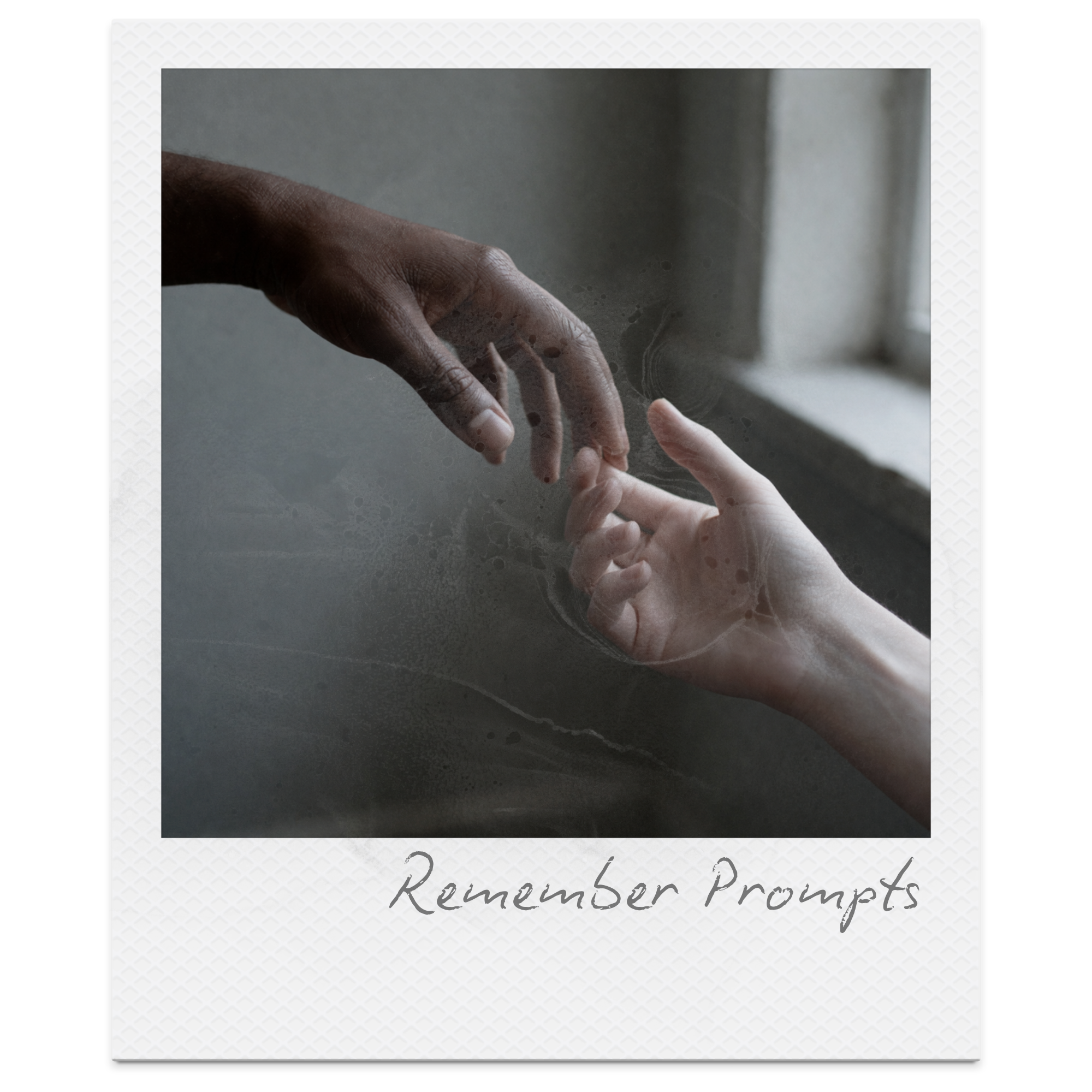
70 Writing Prompts Inspired by Christina Rossetti’s Remember: Memory, Absence & Quiet Love
Christina Rossetti’s Remember is a quiet yet powerful exploration of memory, loss, and the complexity of letting go. Unlike many poems that cling to remembrance as a form of love, Remember shifts its perspective, suggesting that true care may lie in release rather than attachment. Through its restrained voice and reflective tone, the poem invites readers to consider whether holding on always honours the past — or whether, sometimes, forgetting can be a gentler act. This collection of 70 writing prompts inspired by Remember encourages writers to explore grief, absence, and emotional distance through both creative and reflective storytelling. From quiet farewells to unfinished conversations, these prompts offer a structured way to engage with themes of love, memory, and selfless letting go, making them ideal for classroom use, personal narrative writing, or deeper literary exploration.
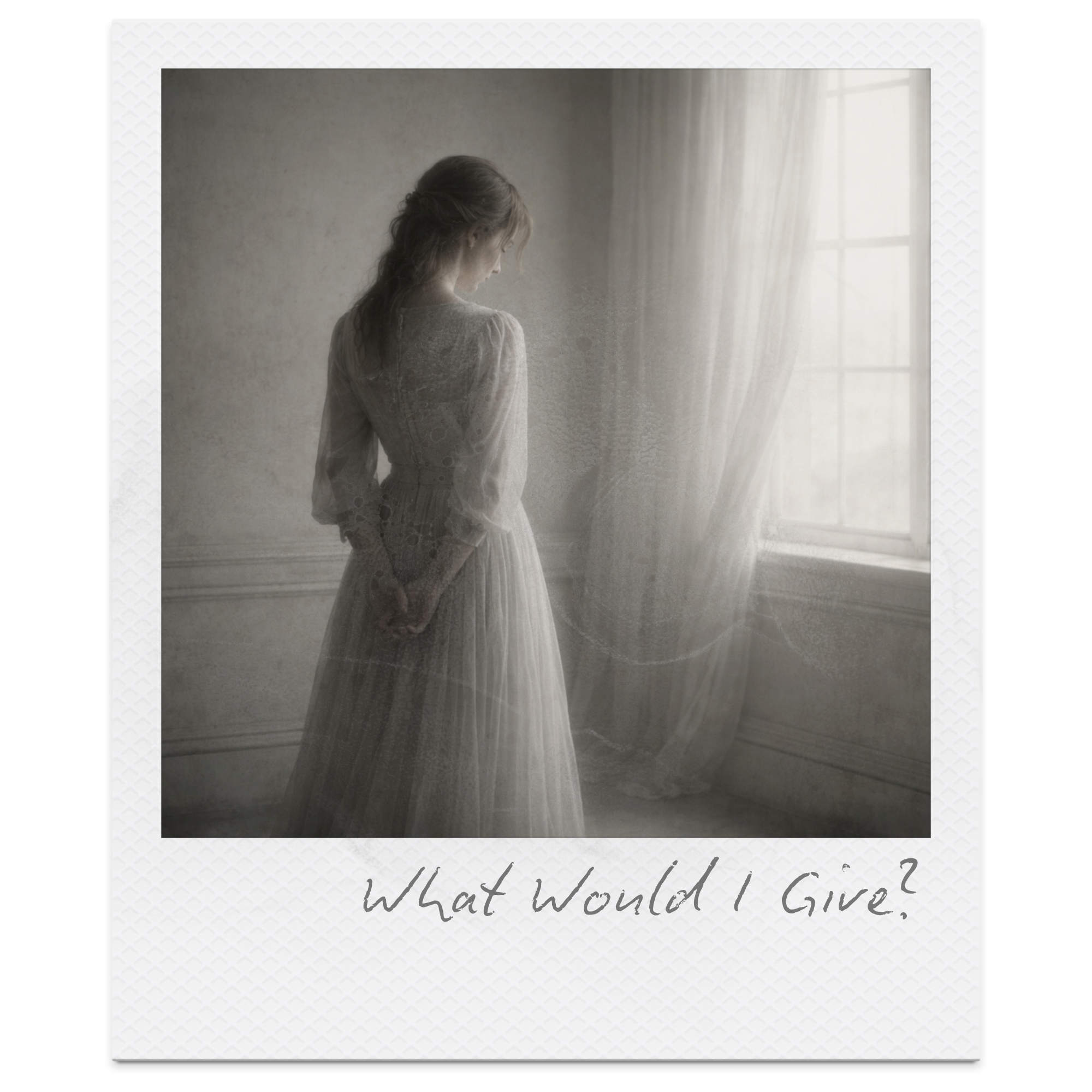
What Would I Give? by Christina Rossetti: Meaning, Themes, Symbolism & Analysis
Christina Rossetti’s What Would I Give? presents a powerful exploration of emotional repression, spiritual guilt, and the longing for renewal, capturing a speaker trapped in a state of coldness, silence, and inner paralysis. Through the repeated question “What would I give,” the poem reveals a deep awareness of what is missing—feeling, expression, and release—while simultaneously emphasising the speaker’s inability to access any of them. As the poem progresses, Rossetti develops a striking pattern of contrast between warmth and cold, speech and silence, cleansing and stain, reinforcing the speaker’s sense of entrapment. The desire for “scalding tears” suggests that transformation is possible, yet remains out of reach, leaving the speaker suspended between longing and limitation. In this way, the poem becomes a haunting reflection on the difficulty of change, where awareness intensifies suffering rather than resolving it.
At Home by Christina Rossetti: Summary, Themes, Symbolism & Analysis
Christina Rossetti’s At Home presents a haunting meditation on death, memory, and emotional detachment, exploring what it means to be present yet entirely excluded. Through the perspective of a speaker who returns after death to observe her former life, the poem reveals the unsettling reality that the world continues unchanged. Rossetti contrasts the vitality and connection of the living with the speaker’s growing awareness of her own absence, creating a quiet but devastating sense of separation. As the poem unfolds, the speaker realises she has not only died, but been erased from memory and belonging. The living focus on “to-day” and “to-morrow,” while she becomes something entirely of the past—“yesterday.” Through imagery, structure, and perspective, Rossetti suggests that identity depends on recognition, participation, and shared experience, all of which fade with time. The result is a powerful reflection on the fragility of human connection and the unsettling possibility of being forgotten
No, Thank You, John by Christina Rossetti: Summary, Themes, Symbolism & Analysis
Christina Rossetti’s No, Thank You, John is a confident and sharply controlled exploration of rejection, emotional honesty, and personal autonomy. Through a direct, conversational voice, the speaker firmly refuses a persistent suitor, challenging the expectation that love must be returned or softened through politeness. The poem redefines rejection as a form of clarity rather than cruelty, exposing the imbalance between romantic persistence and the right to refuse. This analysis of No, Thank You, John explores themes, structure, tone, and key techniques, alongside alternative interpretations and teaching ideas. With close reference to language and form, it reveals how Rossetti constructs a speaker who is both measured and resolute, offering a powerful examination of boundaries, gender expectations, and emotional integrity.
Echo by Christina Rossetti: Summary, Themes, Symbolism & Analysis
Christina Rossetti’s Echo is a haunting exploration of love, memory, and longing beyond death, where dreams become the only space for reunion. Through repetition, paradox, and lyrical imagery, the poem captures the tension between emotional closeness and physical absence, revealing how memory both sustains and intensifies grief. This analysis of Echo explores themes, structure, symbolism, and alternative interpretations, offering clear, in-depth insight into Rossetti’s presentation of desire, loss, and spiritual tension. Ideal for students and teachers, this guide breaks down the poem in a way that is both accessible and analytically rigorous.
Some Ladies Dress in Muslin Full and White by Christina Rossetti: Summary, Themes, Satire & Analysis
Christina Rossetti’s Some Ladies Dress in Muslin Full and White offers a sharp and often darkly humorous critique of Victorian society, exposing its obsession with appearance, fashion, and social display. Through a series of vivid, exaggerated images, Rossetti presents a world in which identity is constructed through outward presentation, revealing the tension between surface image and inner worth. What begins as light satire quickly develops into a more unsettling exploration of judgement, as the speaker moves from observation to open disdain. This analysis explores how Rossetti uses the sonnet form, imagery, and satirical tone to critique both the individuals she describes and the society that produces them. By examining the poem’s structure, language, and shifting perspective, we uncover how Rossetti not only mocks vanity and social performance, but also questions the morality of judging others based on appearance alone.
Memory by Christina Rossetti: Summary, Themes, Symbolism & Analysis
Christina Rossetti’s Memory explores the tension between emotional attachment and deliberate self-denial, presenting a speaker who consciously rejects a past love while continuing to feel its lasting impact. Through controlled language and reflective tone, the poem reveals how memory cannot be fully erased, but instead becomes internalised and preserved, shaping the speaker’s identity and emotional life over time. Divided into two distinct parts, the poem moves from decisive renunciation to quiet reflection, highlighting the contrast between outward control and inward persistence. While the speaker suppresses her feelings in the present, she ultimately finds meaning through spiritual hope, suggesting that what is denied in life may be restored beyond it.
Twice by Christina Rossetti: Summary, Themes, Symbolism & Analysis
Christina Rossetti’s Twice explores the emotional journey of a speaker who offers her heart first to a human lover and then to God, revealing the contrast between human rejection and divine understanding. Through powerful symbolism and structural repetition, Rossetti examines themes of unrequited love, judgement, and emotional vulnerability, showing how easily personal worth can be shaped—and damaged—by external evaluation. As the poem progresses, the speaker transforms her experience of rejection into an opportunity for spiritual redemption, turning away from flawed human judgement toward a more meaningful and enduring form of acceptance. This analysis explores how Rossetti uses imagery, tone, and form to chart this shift, making Twice a compelling study of identity, faith, and the search for lasting fulfilment.
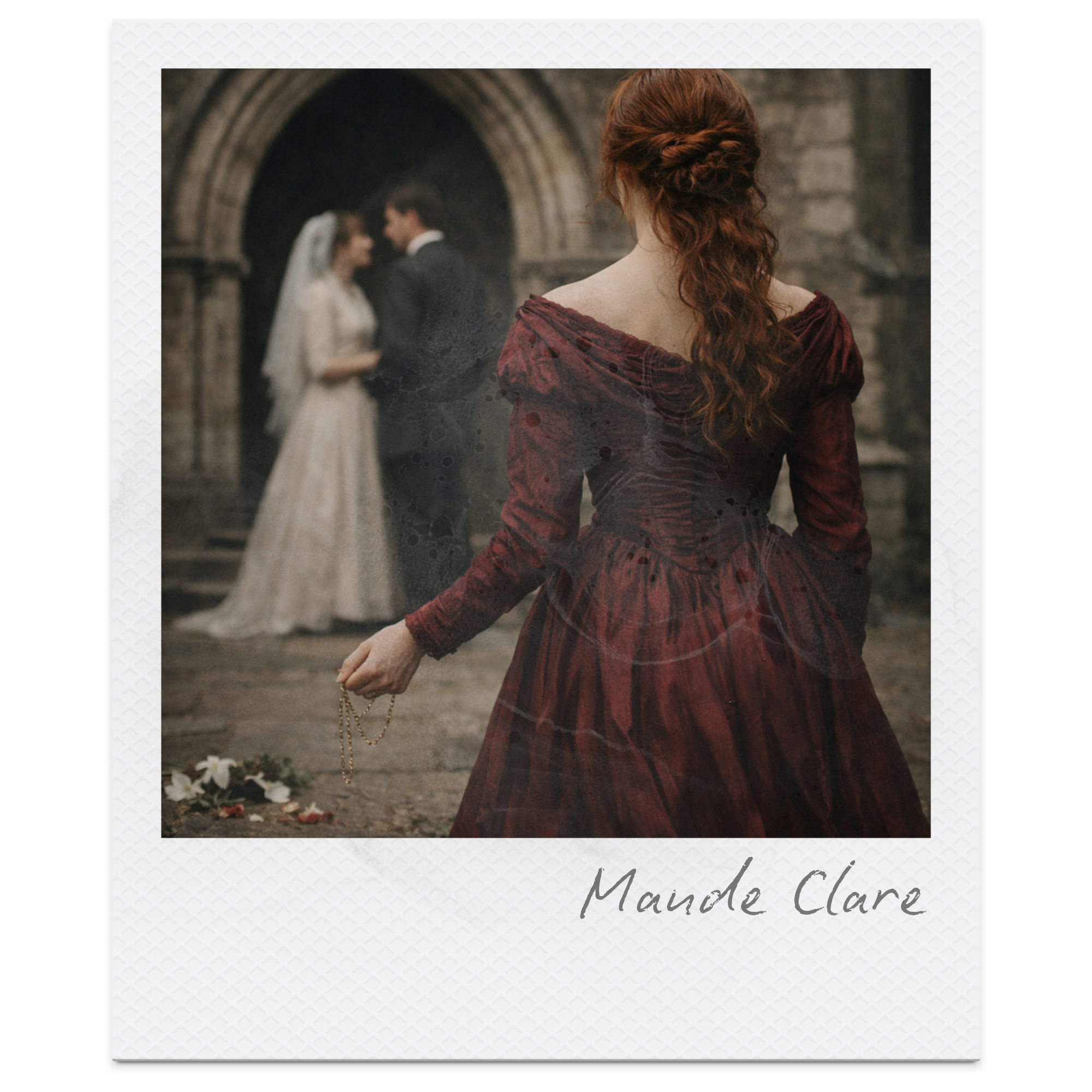
Maude Clare by Christina Rossetti: Summary, Themes, Symbolism & Analysis
Christina Rossetti’s Maude Clare is a dramatic and confrontational poem that explores female agency, love and betrayal, and the pressures of Victorian social expectation. Set against the public backdrop of a wedding, the poem stages a tense emotional conflict between past and present relationships, as Maude Clare interrupts the ceremony to challenge the stability of the marriage. Through sharp contrasts in character and voice, Rossetti reveals how appearances of loyalty and respectability can conceal deeper emotional instability. This analysis explores how Rossetti uses dialogue, symbolism, and shifting power dynamics to construct a poem that is both intimate and publicly charged. By examining the roles of Maude Clare, Nell, and Thomas, readers can see how the poem questions whether love can ever truly be replaced—and whether social approval is enough to sustain it. Perfect for literature study and revision, this guide breaks down key themes, quotes, and techniques in a clear, structured way.
70 Goblin Market Writing Prompts: Temptation, Desire & Dangerous Bargains
Temptation has never looked so beautiful — or so dangerous. Inspired by Goblin Market, this collection of 70 creative writing prompts explores forbidden desire, uncanny marketplaces, and the hidden cost of indulgence. From whispered invitations in shadowed forests to fruit that offers more than it should, these prompts invite writers to step into worlds where sweetness is never innocent. Perfect for classrooms, creative writing practice, or independent storytelling, these prompts explore themes of temptation, control, sisterhood, and survival. Whether you’re crafting dark fairy tales, gothic narratives, or symbolic fiction, this Goblin Market-inspired collection will help you create stories that feel rich, unsettling, and impossible to resist.
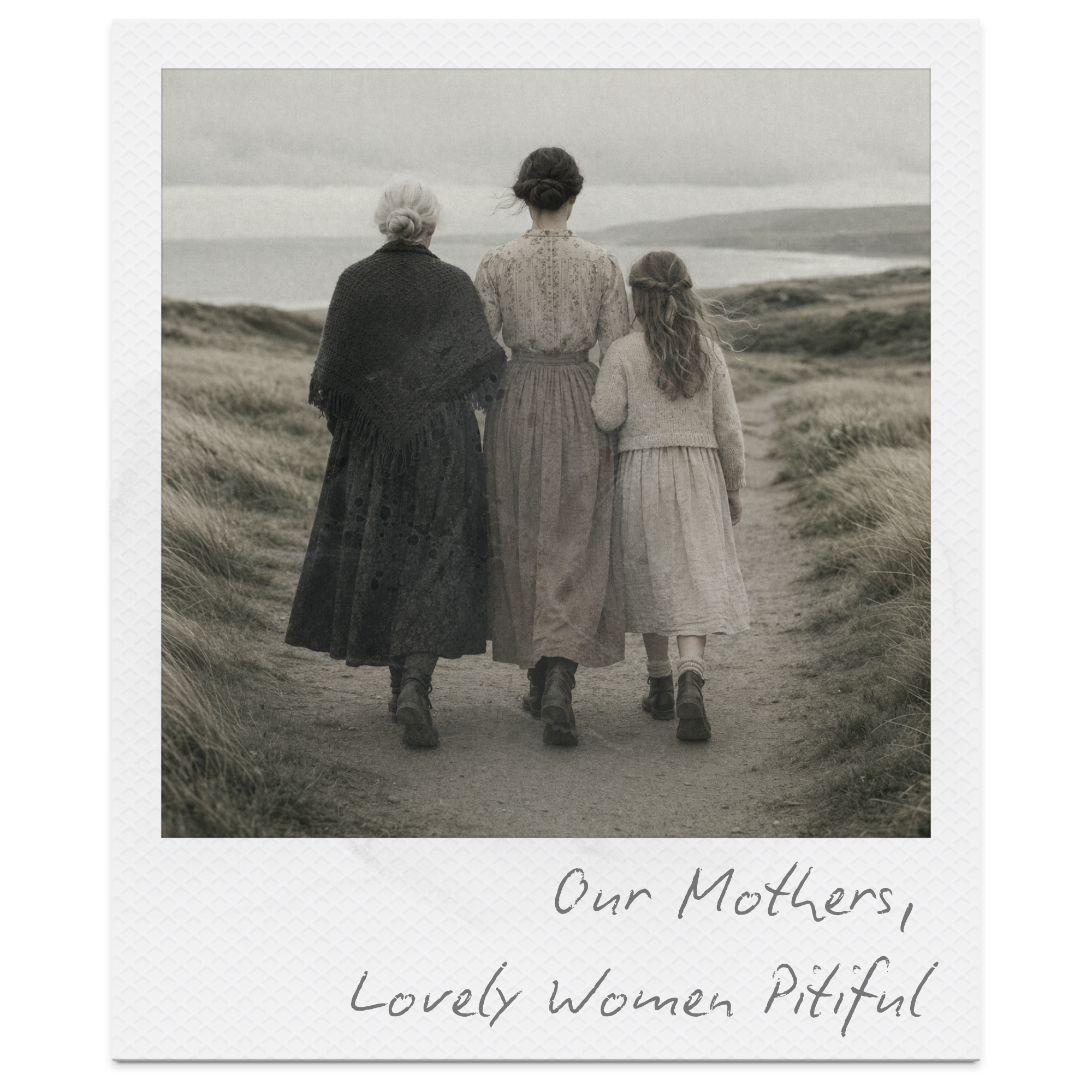
Our Mothers, Lovely Women Pitiful by Christina Rossetti: Summary, Themes, Symbolism & Analysis
Christina Rossetti’s Our Mothers, Lovely Women Pitiful explores themes of memory, faith, and moral inheritance, presenting past generations as guiding figures whose lives continue to shape the present. Through its reflective tone and collective voice, the poem emphasises the importance of learning from experience and enduring with patience and belief. This analysis examines how Rossetti uses structure, language, and symbolism to balance reverence with uncertainty. As the poem shifts from shared instruction to personal doubt, it raises deeper questions about spiritual continuity, responsibility, and whether the past can truly offer reassurance in the present.
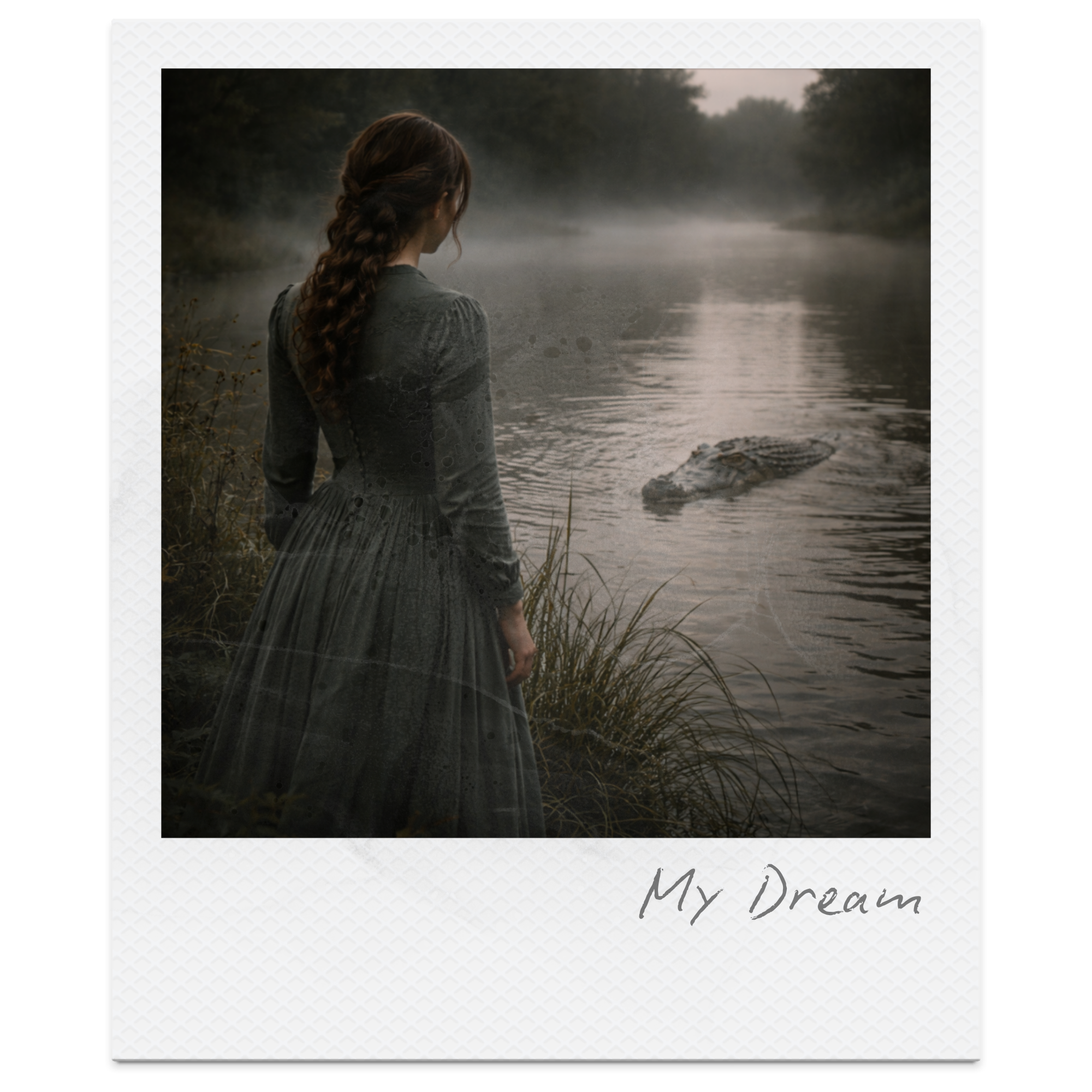
My Dream by Christina Rossetti: Summary, Themes, Symbolism & Analysis
Christina Rossetti’s My Dream presents a dark and symbolic vision of power, corruption, and collapse. Through the rise of a monstrous crocodile who gains dominance through violence and excess, the poem explores how authority built on destruction is ultimately unstable and self-defeating. This analysis examines Rossetti’s use of allegory, imagery, and dream narrative to reveal deeper concerns about human nature, control, and moral consequence. With its ambiguous ending and unsettling symbolism, My Dream invites readers to question how power operates—and what remains when it inevitably fails.
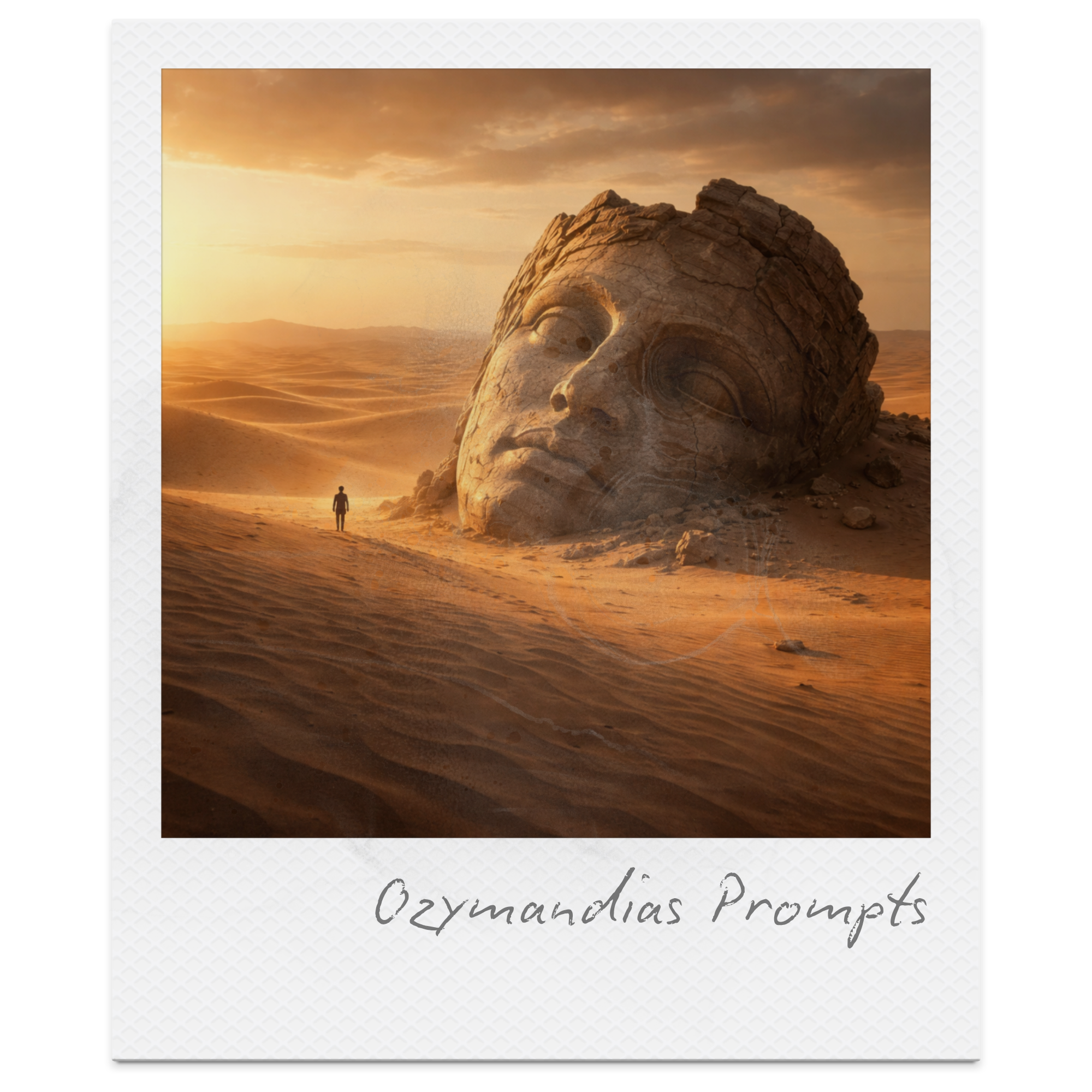
70 Ozymandias Writing Prompts: Power, Ruin & the Fragility of Legacy
Explore 70 Ozymandias writing prompts inspired by Percy Bysshe Shelley’s iconic poem of power, ruin, and forgotten empires. From shattered statues in endless deserts to lost civilisations and unreliable histories, these prompts invite writers to explore the fragility of legacy and the illusion of permanence. Perfect for secondary English classrooms, creative writing practice, or independent storytelling, this collection includes plot hooks, opening lines, titles, and more. Ideal for students studying Romantic poetry or themes of power and time in literature.