The television shouldn't be working.
Its screen is cracked, its buttons are worn, and a thick layer of dust suggests it hasn't been switched on in decades. Yet somewhere behind the glass, a faint flicker of light suggests that something is still broadcasting.
You reach for the controls.
Static crackles across the screen. A familiar test pattern appears, followed by a cheerful children's programme that seems strangely out of place. The picture distorts. For a moment, you glimpse something standing behind the presenter.
Then the channel changes by itself.
Welcome to The Haunted Television, an interactive analog horror writing experience featuring 150 unsettling broadcasts, six mysterious channels and a collection of creative writing challenges waiting to be discovered.
Inspired by the eerie atmosphere of forgotten VHS tapes, distorted television signals, emergency broadcasts and lost media, this peculiar little machine invites you to explore the darker possibilities of storytelling.
Perhaps you'll discover a weather forecast predicting something impossible, a local news report about an event that hasn't happened yet, or a public information film containing instructions nobody should follow. Some transmissions are merely strange. Others are deeply disturbing. And occasionally, something interrupts the signal altogether.
Every broadcast comes with an original writing challenge designed to spark your imagination, whether you're creating a chilling short story, experimenting with found-footage fiction or developing your own analog horror universe.
There are 25 broadcasts hidden within each channel, and you never quite know what you'll encounter next.
So, turn on the television. Choose a channel. And see what comes through.
Just remember: not everything on the screen wants to be watched.
The Haunted Television: Tune Into 150 Analog Horror Writing Prompts
Six channels. 150 mysterious broadcasts. One television that refuses to stay silent.
Somewhere between the static and the flickering images, stories are waiting to be discovered. From sinister children's programmes and impossible weather forecasts to emergency warnings and transmissions from the unknown, every channel offers a different glimpse into the unsettling world of analog horror.
Choose a channel, switch on the television and discover your next writing challenge. Each transmission reveals a new piece of disturbing inspiration, and with 25 broadcasts hidden on every channel, there's always another story waiting behind the static.
But be warned. The signal isn't always reliable, and some messages were never meant to reach you.
Press POWER to begin.
Switch on the television to receive your first assignment.
How to Use the Haunted Television
The Haunted Television contains 150 original analog horror writing challenges, hidden across six mysterious channels. Each broadcast offers a glimpse into something strange, unsettling or downright impossible, along with a creative prompt to help you transform what you've discovered into a story of your own.
Whether you're looking for inspiration for a chilling short story, experimenting with found-footage fiction or simply curious about what might be lurking between the channels, here's how to explore the television.
Switch on the television. Press the power button to bring the old screen to life and begin receiving transmissions.
Choose one of the six channels. Each channel explores a different corner of analog horror, from emergency broadcasts and sinister children's programmes to missing persons reports and unexplained signals.
Discover a broadcast. Tune in to uncover a mysterious transmission, then reveal its accompanying creative writing challenge.
Keep exploring. Each channel contains 25 different broadcasts, presented in a random order. You can explore all 25 before the channel begins repeating its transmissions.
Save your inspiration. Use the copy feature to keep your favourite writing challenges and return to them whenever you're ready to write.
A word of warning: The Haunted Television occasionally experiences unexplained signal interruptions. Strange messages may appear without warning, disrupting your broadcast before the original transmission returns. These interruptions are part of the experience, so there's no need to adjust your television.
You can explore the channels in any order, follow a single transmission into a complete story or combine discoveries from several channels to create something entirely unexpected.
There are no rules for what happens after the broadcast ends. That's where your imagination takes over.
What Is Analog Horror?
Analog horror is a subgenre of horror that uses the appearance, sounds and limitations of outdated media technology to create unsettling, often deeply mysterious stories. Rather than relying on traditional monsters, dramatic jump scares or graphic violence, analog horror builds tension through distorted television broadcasts, damaged VHS recordings, emergency alerts, public information films and footage that appears to reveal something it shouldn't.
Imagine discovering an old videotape in a forgotten cupboard. The label has faded, the recording is damaged, and the footage begins with an ordinary television programme from the 1980s. Everything seems perfectly normal until the presenter stops speaking, turns towards the camera and begins describing something happening inside your own home.
That creeping sense of familiarity turning into something threatening is at the heart of analog horror.
Why Is Analog Horror So Unsettling?
One of the most effective elements of analog horror is its ability to make ordinary, familiar things feel dangerous.
An old television broadcast might remind us of childhood afternoons, educational programmes or late-night films. Emergency alerts carry an expectation of authority and safety. Local news reports appear trustworthy, while public information films are designed to explain the world around us.
Analog horror takes these familiar formats and introduces small, disturbing inconsistencies.
A newsreader might repeat the same sentence several times, growing visibly frightened with each repetition. A children's television character might appear in footage recorded decades before the programme was created. An emergency announcement might instruct viewers to remain indoors, even as something outside begins knocking on their windows.
The horror often comes from what remains unexplained. Viewers are left searching the screen for clues, questioning the reliability of the recording and imagining what might exist beyond the edges of the footage.
The Origins of Analog Horror
Although filmmakers and writers have experimented with haunted recordings, mysterious broadcasts and found-footage storytelling for decades, analog horror developed into a recognisable online genre during the 2010s.
The genre draws inspiration from older horror traditions, including found-footage films, supernatural television stories, conspiracy fiction and the unsettling atmosphere of obsolete technology.
One influential early example is Local 58, a web-based horror series created by Kris Straub. Presented as recordings from a fictional television station, the series uses emergency alerts, strange programming and increasingly disturbing broadcasts to suggest that something is deeply wrong with the world beyond the screen.
Other notable examples include The Mandela Catalogue by Alex Kister, which explores identity, imitation and psychological terror through distorted recordings, and The Walten Files by Martin Walls, which combines fictional archival footage, unsettling animation and a mystery surrounding an abandoned entertainment business.
These works demonstrate how analog horror can create entire fictional worlds through fragments of apparently authentic media, encouraging audiences to piece together the story themselves.
Common Features of Analog Horror
Although analog horror stories can take many forms, several distinctive techniques appear throughout the genre:
VHS distortion and visual interference: Static, tracking errors, faded colours and damaged recordings make footage feel old, unreliable or deliberately concealed.
Emergency broadcasts and official warnings: Familiar systems of public communication become sources of fear when their instructions turn strange, contradictory or threatening.
Lost and forgotten media: Abandoned television programmes, unidentified videotapes and mysterious recordings suggest hidden histories waiting to be uncovered.
Distorted nostalgia: Children's programmes, educational films and cheerful advertisements become unsettling when familiar imagery is subtly altered.
Fragmented storytelling: Instead of explaining everything directly, analog horror reveals its mysteries through scattered recordings, missing footage and conflicting information.
Unseen or unexplained threats: Strange entities, impossible events and disturbing implications create tension without requiring every mystery to be solved.
Perhaps most importantly, analog horror often makes the audience feel like an investigator rather than a passive observer. Every glitch, background detail and interrupted transmission might contain a clue.
Why Analog Horror Is Perfect for Creative Writing
You don't need video-editing software, a camera or a collection of old VHS tapes to experiment with analog horror. Its storytelling techniques translate beautifully into written fiction.
A writer might create the transcript of a television broadcast that gradually becomes more sinister, describe the contents of a mysterious videotape or construct a story entirely from emergency announcements and fragmented archival records.
You can also explore analog horror through traditional short stories, using obsolete technology as the starting point for a much larger mystery.
The key is to consider what the audience knows, what the recording reveals and what remains hidden.
A damaged videotape might show only thirty seconds of an impossible event. A news bulletin might contain a single sentence that contradicts everything the characters believe. A cheerful advertisement might conceal a warning that becomes clear only when someone watches it again.
By carefully controlling what your readers discover, you can create stories that linger long after the final transmission ends.
And that's exactly what The Haunted Television is designed to inspire: 150 strange broadcasts, each offering a different doorway into the unsettling possibilities of analog horror.
Explore the Six Channels of Analog Horror
Every channel on The Haunted Television offers a different kind of nightmare. Some broadcasts disguise their horrors beneath cheerful music and familiar faces, while others deliver warnings about events that defy explanation. A few seem to come from places that shouldn't exist at all.
With 25 unique broadcasts hidden within each channel, there are countless ways to experiment with suspense, supernatural mysteries, psychological horror and unsettling fictional worlds.
Here's what you might discover when you begin changing channels.
Channel 01: Emergency Broadcasts
This is not a test. Please remain calm.
Emergency broadcasts are designed to communicate important information during moments of danger. Their familiar warning tones, official language and precise instructions create an immediate sense of authority. But what happens when those instructions become increasingly disturbing?
Perhaps an emergency alert orders every household to cover its mirrors before midnight. Another warns residents not to acknowledge anyone speaking through their letterboxes. A third announces that the sun will not rise tomorrow and advises viewers to avoid looking at the sky.
The most unsettling emergency broadcasts often begin with something almost believable before gradually revealing the impossible nature of the threat.
Writing inspiration: Experiment with escalating warnings, contradictory instructions, unreliable authorities and the terrifying consequences of following—or ignoring—an official announcement.
Channel 02: The Children's Hour
Hello, children! Are you ready to play?
Bright colours, cheerful songs and friendly television characters might seem like unlikely ingredients for horror. Yet few things are more unsettling than discovering something sinister hiding inside a programme designed to entertain or educate children.
Imagine an old puppet show in which the characters begin asking questions about the viewer's family. A forgotten educational programme teaches children how to recognise people who have been replaced. A cartoon character disappears from every episode except one, where it stands motionless in the background, watching the audience.
Children's television offers particularly rich possibilities for distorted nostalgia, unreliable memories and the gradual corruption of something once considered safe.
Writing inspiration: Explore sinister educational programmes, corrupted nursery rhymes, forgotten television characters, impossible childhood memories and cheerful presenters concealing terrible secrets.
Channel 03: Local News
And now, tonight's top story...
Local news programmes are supposed to document ordinary events within familiar communities. Their presenters, weather reports, interviews and breaking news segments create an impression of reliability, making them particularly effective vehicles for analog horror.
What if a newsreader announced the disappearance of an entire town that nobody remembers existing? What if a live reporter interviewed someone who had been dead for twenty years? Or what if a late-night bulletin described a murder that wouldn't take place until the following evening?
The contrast between a presenter's calm professionalism and the increasingly impossible events being reported can create a wonderfully disturbing atmosphere.
Writing inspiration: Develop fictional news reports involving altered histories, mysterious disappearances, impossible crimes, unreliable witnesses and communities hiding extraordinary secrets.
Channel 04: Weather & Environmental Anomalies
Tomorrow's forecast is looking rather unusual.
Weather forecasts are wonderfully ordinary. We trust them to tell us whether to expect sunshine, rain or snow, rarely questioning the familiar maps, symbols and smiling presenters delivering the information.
But imagine a forecast predicting a storm that will last exactly thirteen seconds, during which everyone must remain completely silent. Or a weather map showing a new ocean where a city stood yesterday. Perhaps the presenter warns that the fog approaching the coast contains something that has been searching for a way inland.
Environmental horror allows writers to transform familiar landscapes and natural phenomena into sources of mystery and dread.
Writing inspiration: Experiment with impossible weather conditions, altered landscapes, unnatural celestial events, mysterious environmental warnings and communities adapting to terrifying changes in the natural world.
Channel 05: Missing Persons & Public Information
Have you seen this person? Please do not approach.
Public information announcements are designed to help, educate and protect. Missing-person appeals, safety campaigns and official notices often rely on straightforward language and recognisable imagery to communicate their messages.
In analog horror, however, these apparently helpful broadcasts can conceal something far more disturbing.
Imagine a missing-person announcement displaying photographs of people who haven't disappeared yet. A public safety film advises viewers how to identify someone who is pretending to be human. An official notice requests information about a child whose photograph appears in family albums across the country, despite nobody remembering meeting them.
These broadcasts can be especially effective when they raise questions about identity, memory, trust and the reliability of official records.
Writing inspiration: Create mysterious disappearances, unsettling public warnings, contradictory records, sinister identification campaigns and stories in which familiar people may not be who they appear to be.
Channel 06: The Dead Channel
There should be nothing broadcasting on this frequency.
Every old television has channels that receive nothing but static. Empty frequencies, abandoned stations and unidentified signals offer the perfect starting point for stories about messages that were never intended to reach the living.
Perhaps an unused channel begins broadcasting footage from inside the viewer's home. A transmission from a demolished television station announces that its presenters are still waiting to be rescued. Or a strange voice repeatedly asks viewers to remember an event that has been erased from history.
Unlike the other channels, the Dead Channel doesn't need to follow a familiar television format. Its transmissions might consist of fragmented messages, unexplained images, corrupted recordings or communications from somewhere beyond ordinary reality.
This makes it particularly suited to experimental horror, cosmic mysteries and stories that deliberately leave readers questioning what they've encountered.
Writing inspiration: Explore haunted frequencies, lost transmissions, impossible recordings, messages from the dead, unidentified entities and broadcasts that appear to originate outside time or reality.
Which Channel Will You Explore First?
Whether you're drawn to the sinister nostalgia of forgotten children's programmes, the creeping dread of emergency announcements or the inexplicable mysteries of the Dead Channel, each broadcast offers a new opportunity to experiment with horror storytelling.
You might develop a complete short story from a single transmission, combine several broadcasts into a larger mystery or imagine an entire fictional television network whose programmes conceal a disturbing shared history.
The television provides the signal. What happens next is entirely up to you.
How to Write an Effective Analog Horror Story
The most memorable analog horror stories don't simply show us something frightening. They make us question what we're seeing, why we're seeing it and whether we were ever supposed to discover it in the first place.
A distorted television broadcast, an unexplained warning or a forgotten recording might provide the initial spark, but creating effective analog horror requires more than adding static to an otherwise ordinary ghost story.
The secret lies in building a believable world, introducing subtle disturbances and allowing the reader's imagination to fill the gaps.
Whether you're writing a traditional short story, constructing a fictional broadcast transcript or experimenting with fragmented found-footage fiction, these six techniques can help you transform an unsettling idea into a compelling piece of analog horror.
1. Begin With Something Familiar and Believable
Analog horror works particularly well when the strange and impossible intrude upon something ordinary.
A local news programme, educational videotape or emergency announcement already comes with a recognisable structure. Readers understand how these formats are supposed to behave, which means even the smallest deviation can create discomfort.
Begin by establishing that familiarity.
A fictional weather forecast might open with ordinary predictions of scattered showers and falling temperatures. The presenter smiles, gestures towards a map and advises viewers to take an umbrella.
Then, almost casually, she announces that anyone who sees a second moon should remain indoors until morning.
The unsettling detail becomes more effective because everything surrounding it appears perfectly normal.
Try this: Choose an everyday television format and write its opening thirty seconds as realistically as possible. Then introduce one detail that doesn't belong. Resist the temptation to explain it immediately.
2. Let the Horror Develop Through Small Inconsistencies
One of the easiest mistakes when writing analog horror is revealing the threat too quickly.
A terrifying creature appearing immediately on screen might create a moment of shock, but a familiar recording that gradually becomes impossible can produce a much more lasting sense of dread.
Consider a children's television presenter introducing the same puppet character at the beginning of every episode.
In the first recording, the puppet waves.
In the second, it remains completely still.
In the third, it has moved closer to the camera.
By the fourth recording, the presenter refuses to look at it.
Each change is small, but together they suggest a disturbing progression. The reader begins anticipating the next inconsistency, often imagining possibilities far more frightening than anything explicitly described.
Try this: Write five brief descriptions of the same fictional broadcast. Change one detail each time, allowing the alterations to become progressively more unsettling.
3. Use Repetition to Create Suspense
Repetition is particularly effective in analog horror because recorded media naturally repeats itself.
Television advertisements, public safety announcements, station identification messages and emergency warnings often rely on familiar phrases and recurring sounds.
When those repetitions begin changing, however, they can become deeply unsettling.
Imagine an emergency announcement that repeatedly instructs viewers:
Please remain inside your homes.
After several repetitions, the wording changes:
Please remain inside your homes. We have not finished counting.
The message returns to normal, leaving the viewer uncertain whether they heard the additional sentence at all.
Repetition can also suggest that a recording is trapped in a loop, that someone is attempting to communicate through interference or that an unseen intelligence is gradually learning how to use human language.
Try this: Create a short public information announcement containing a repeated instruction. Rewrite it three times, changing only a few words with each version until the original meaning becomes threatening.
4. Make the Audience Question What They Can Trust
Analog horror frequently uses recordings, official announcements and apparently authentic documents to create an illusion of reliability.
But what happens when the evidence begins contradicting itself?
A videotape might show a family celebrating Christmas in a house that burned down the previous summer. A television interview might feature a witness who insists an entire neighbourhood has disappeared, while the newsreader claims it never existed.
Perhaps two recordings of the same event show completely different outcomes.
These contradictions encourage readers to investigate the fictional evidence, searching for clues and questioning which version of events is genuine.
You can strengthen this uncertainty by introducing unreliable narrators, damaged recordings, missing timestamps, altered subtitles or conflicting official statements.
Try this: Write two transcripts describing the same mysterious incident. Make both sound convincing, but include three significant contradictions. Consider what each version suggests about the truth.
5. Suggest More Than You Reveal
Sometimes the most frightening part of an analog horror story is what the recording doesn't show.
A camera might abruptly turn away just as something enters the room. An emergency broadcast might warn viewers never to open their curtains without explaining what waits outside. A damaged videotape might contain several missing minutes immediately before an entire family disappears.
These gaps invite readers to imagine their own explanations.
And because the possibilities remain uncertain, the threat can feel much larger than anything directly described.
This doesn't mean withholding every detail. Readers still need enough information to understand the situation and become invested in its consequences.
The trick is to reveal something meaningful while preserving the mystery surrounding it.
For example, a recording might establish that every resident of a small town vanished at precisely 3:17 a.m. It might even show the empty streets afterwards. But the final seconds contain only a distorted voice whispering:
They were not the ones who left.
That single line changes the reader's understanding without providing a complete explanation.
Try this: Write a short description of a mysterious recording in which the most important event happens outside the camera's view. Use sounds, reactions and environmental details to suggest what might have occurred.
6. Give the Broadcast a Story Beyond the Screen
An unsettling transmission can be a compelling starting point, but the strongest analog horror stories often suggest a much larger fictional world.
Who created the recording? Why was it broadcast? Who discovered it, and what happened afterwards?
A mysterious emergency announcement might imply that an entire government has been concealing a supernatural threat. A forgotten children's programme could connect to decades of unexplained disappearances. A television station broadcasting from an abandoned building might suggest that something has continued operating long after its employees vanished.
Think about the people and institutions surrounding your fictional media.
Perhaps someone deliberately concealed the recording. Perhaps an archivist has spent years collecting similar broadcasts. Or perhaps the person watching the footage begins noticing details that connect the transmission to their own life.
These connections transform an isolated creepy moment into a story with characters, consequences and a mystery worth exploring.
Try this: Choose one broadcast from The Haunted Television and imagine the circumstances surrounding its discovery. Who finds it? Why does it matter to them? What changes after they watch it?
Bringing the Techniques Together
You don't need to use every technique in a single story. In fact, choosing just two or three can create a more focused and unsettling experience.
You might begin with a believable local news bulletin, introduce a series of increasingly disturbing inconsistencies and end with a fragment of information that changes everything the reader thought they understood.
Alternatively, you could construct an entire story through repeated emergency broadcasts, allowing the evolving announcements to reveal the gradual collapse of a fictional community.
The important thing is to remember that analog horror is as much about the experience of discovering the story as the frightening events themselves.
Give your readers something to investigate, something to question and something they can't quite explain.
The static can hide many things. Your job is to decide how much of the truth gets through.
Writing Found-Footage Horror: Turning a Broadcast Into a Story
Imagine discovering a box of videotapes in the basement of an abandoned television station. Most contain ordinary recordings: weather forecasts, local advertisements, forgotten documentaries and programmes nobody remembers watching.
But one tape is different.
Its label reads DO NOT BROADCAST, and someone has scratched out the recording date.
When you play it, the footage shows a newsreader reporting the disappearance of seventeen people from a small coastal village. The broadcast ends abruptly, just as the presenter begins reading a list of names.
The final name is yours.
This is the kind of mystery that makes found-footage horror so compelling. Rather than telling readers exactly what happened, the story unfolds through fragments of evidence, encouraging them to investigate the recordings and piece together the truth.
And although found-footage horror is commonly associated with films, its techniques can be just as effective in written fiction.
What Is Found-Footage Horror?
Found-footage horror presents a fictional story through recordings, documents or other materials that appear to have been discovered after the events they describe.
Instead of following a conventional narrator, readers might encounter videotape transcripts, recovered audio recordings, security footage descriptions, police reports, personal diaries or collections of archived broadcasts.
The material often appears incomplete, damaged or deliberately altered, creating uncertainty about what happened and whether the evidence can be trusted.
In written fiction, this approach overlaps with epistolary storytelling, where a narrative is constructed through letters, documents and other records.
The difference is that found-footage horror often places particular emphasis on the circumstances surrounding the recovered material: who recorded it, why it survived and what might be missing.
1. Decide Who Discovered the Recording
Before writing your fictional footage, consider how it came into someone's possession.
A mysterious recording becomes more interesting when its discovery raises questions of its own.
Perhaps a university archivist finds an unidentified videotape among a collection of donated materials. A family discovers an old home movie containing footage of a relative who was never born. A television engineer receives a recording from a station that closed thirty years earlier.
The person who discovers the material can provide an important connection between the audience and the mystery.
They might investigate the recording, recognise something within it or become increasingly disturbed by what it reveals.
You could even present the story as an archive assembled by someone who has since disappeared.
Writing exercise: Choose a broadcast from The Haunted Television and write a short archivist's note explaining where it was found, its apparent age and why it was considered unusual.
2. Choose the Format of Your Recovered Evidence
Found-footage fiction doesn't have to rely on conventional prose. Different document formats can reveal information in interesting ways.
| Format | Storytelling Possibilities |
|---|---|
| Television transcripts | Strange dialogue, interrupted announcements and unexplained changes in programming |
| VHS recording descriptions | Visual distortions, background details and mysterious figures |
| Audio transcripts | Unidentified voices, missing conversations and sounds without visible sources |
| Security footage logs | Impossible movements, unexplained disappearances and contradictory timestamps |
| Archival reports | Official investigations, concealed evidence and conflicting conclusions |
| Personal recording diaries | Increasing paranoia, unreliable memories and disturbing discoveries |
You might tell an entire story through one format or combine several to create a more complex fictional investigation.
For example, a recovered television broadcast could be followed by a police report contradicting its contents, then an interview transcript revealing that the original recording was supposedly destroyed.
Each new piece of evidence changes the reader's understanding of what came before.
3. Write a Convincing Broadcast Transcript
One of the simplest ways to experiment with found-footage horror is to write a fictional television transcript.
Begin with the ordinary details that make a recording feel authentic: a programme title, date, timestamp, description of the footage and any technical difficulties.
Then allow the unsettling elements to emerge naturally.
Example: Recovered Broadcast Transcript
ARCHIVE REFERENCE: ST-041
SOURCE: Unidentified local television recording
DATE: 14 November 1986
CONDITION: Severe tracking damage between 02:14 and 03:09
[00:00:04] A station identification card appears. Soft instrumental music plays.
[00:00:17] The screen cuts to a news studio. A female presenter sits behind a desk.
PRESENTER: Good evening. Residents of Bellweather are reminded that the annual census will begin at midnight.
[00:00:31] The presenter looks towards someone outside the frame.
PRESENTER: Please ensure that every member of your household is accounted for.
[00:00:46] The picture briefly distorts.
PRESENTER: If your household contains more people than it did yesterday, do not attempt to identify the additional individual.
[00:01:02] The presenter stops speaking. A second voice can be heard whispering beneath the broadcast.
UNIDENTIFIED VOICE: There are more of them now.
[00:01:11] The transmission ends.
Notice how the transcript begins with a recognisable news format before introducing increasingly disturbing information.
The timestamps, technical notes and dialogue help create the impression of an authentic recovered recording, while the unexplained warning gives readers a mystery to explore.
You don't need to describe every second of footage. Focus on details that develop the atmosphere, reveal information or change the reader's understanding.
4. Build a Story Through Multiple Recordings
A single disturbing broadcast can make an effective short piece of horror, but several connected recordings can create a much larger narrative.
Imagine developing the fictional Bellweather census broadcast into a story told through five recovered documents:
The original broadcast: Residents are instructed to count the people living in their homes and report any unexpected occupants.
A telephone recording: A frightened caller insists that her husband has been replaced, although every official record suggests she has always lived alone.
A police report: Officers investigating the caller's disappearance discover six sets of fingerprints inside a house occupied by only three registered residents.
A second television broadcast: The authorities announce that the census has been completed successfully and instruct residents to forget the previous warning.
An archivist's final note: The investigator reviewing the recordings discovers an additional person standing behind them in every security photograph taken that week.
Together, these fragments tell a story without requiring a conventional beginning, middle and end.
Each document contributes new information while introducing questions that encourage readers to continue.
For longer fiction, you could develop this structure into an entire archive of recordings, reports, interviews and contradictory evidence.
5. Use Missing Footage as Part of the Mystery
One of the most useful features of found-footage storytelling is that the audience doesn't have to witness every important event.
A recording might end moments before something terrifying occurs. An audio file might contain several minutes of silence. A transcript might include sections marked as unintelligible, while a damaged videotape reveals only fragments of a crucial conversation.
These absences can become meaningful parts of the narrative.
For example, imagine a security recording showing an empty hospital corridor at 2:13 a.m.
At 2:14 a.m., the footage becomes corrupted.
When the picture returns at 2:16 a.m., every door in the corridor is open, and a wheelchair has appeared directly beneath the camera.
The recording never reveals what happened during those missing two minutes.
However, a second document might establish that the hospital's security system recorded the same two-minute gap every night for seventeen years.
Suddenly, the missing footage becomes the central mystery.
Writing exercise: Create a recording with a thirty-second gap. Describe what appears immediately before and after the missing section, then introduce one piece of evidence suggesting that something impossible occurred.
6. Give Your Found-Footage Story a Satisfying Ending
Found-footage horror doesn't necessarily need to explain every mystery. In fact, a complete explanation can sometimes diminish the unsettling atmosphere you've worked to create.
However, readers should still feel that the story has progressed towards a meaningful discovery.
Perhaps the final recording reveals who created the mysterious broadcasts. Perhaps an archivist realises that the evidence has been deliberately arranged to lead them somewhere. Or perhaps the last document contains a detail that completely changes the meaning of everything preceding it.
A particularly effective approach is to make the final piece of evidence connect the fictional mystery to the person investigating it.
Imagine an archivist spending weeks examining recordings of a television programme that apparently predicted disappearances.
The final tape contains no programme at all.
Instead, it shows the archivist sitting at their desk, watching the previous recordings.
The timestamp is tomorrow's date.
This kind of ending provides a powerful final revelation while leaving the larger supernatural mystery unresolved.
The important distinction is between an unexplained mystery and an unfinished story. Your readers don't need every answer, but they should discover something significant by the end.
Try It Yourself: Create a Recovered Broadcast Archive
Ready to experiment with found-footage storytelling?
Return to The Haunted Television and choose three broadcasts, either from the same channel or from different channels.
Imagine that all three recordings were discovered together in an abandoned archive.
Your challenge is to connect them into one unsettling story.
Begin by establishing who found the recordings and why they were preserved. Decide what links the broadcasts, whether that's a recurring symbol, a missing person, an unexplained event or a mysterious organisation.
Then create a short fictional archive containing:
An introductory note explaining the discovery.
Three recovered broadcast transcripts or recording descriptions.
At least one contradiction between the recordings.
A missing or damaged section of footage.
A final document revealing something unexpected about the collection.
You can keep the story short or develop it into a much larger fictional investigation.
Remember, the most disturbing part of a recovered recording isn't always what appears on the screen. Sometimes it's the question of why someone wanted the footage preserved in the first place.
Five Creative Ways to Use the Haunted Television
The Haunted Television isn't just a collection of 150 analog horror writing prompts. It's also a creative playground for experimenting with unusual storytelling formats, developing fictional mysteries and discovering unexpected connections between seemingly unrelated broadcasts.
Whether you're writing independently, working with a creative-writing group or introducing horror fiction into the classroom, these five activities offer different ways to explore the transmissions.
1. The Five-Minute Broadcast Challenge
Perfect for warming up your imagination or overcoming writer's block.
Choose any channel and generate a random broadcast. Read the transmission and its accompanying writing challenge, then set a timer for five minutes.
Your task is to write the opening of a horror story inspired by what you've discovered.
Don't worry about editing, planning or creating a complete narrative. Focus on capturing the atmosphere and establishing something unsettling.
Extra challenge: Begin your story with the final sentence of the broadcast, then work backwards to reveal what happened.
2. The Six-Channel Horror Anthology
What if every channel on the television belonged to the same disturbing fictional universe?
Explore all six channels and select one broadcast from each. Your challenge is to transform these six transmissions into a connected collection of horror stories.
Perhaps the emergency broadcasts refer to an unexplained event that also appears in a local news report. A forgotten children's programme might contain clues about a missing person, while an impossible weather forecast suggests that something much larger is happening.
Give your anthology a title, establish a recurring mystery and decide how the six stories connect.
Extra challenge: Include one recurring symbol, phrase or character in every story, but reveal its significance only in the final instalment.
3. The Lost Television Archive
Become the fictional archivist responsible for cataloguing a collection of disturbing recordings.
Generate three to five broadcasts and imagine they've been recovered from an abandoned television station, a forgotten government archive or a mysterious collection of videotapes.
For each transmission, create an archival record containing its title, estimated date, physical condition and any unusual observations.
Then write a short report explaining why the recordings were collected and what investigators believe they reveal.
Extra challenge: Include one recording that contradicts the official explanation for the archive's existence.
4. The Collaborative Broadcast Mystery
This activity works particularly well for writing groups and classroom creative-writing sessions.
Begin by selecting one broadcast for the entire group. Read the transmission aloud and discuss what might be happening beyond the television screen.
Each participant then writes a different piece of evidence connected to the broadcast. One person might create a witness statement, another a newspaper article, while someone else writes a diary entry, police report or recovered audio transcript.
Combine the documents into a shared fictional investigation.
As the evidence accumulates, look for contradictions, unexpected connections and opportunities to develop the mystery.
Extra challenge: Introduce a second broadcast halfway through the activity. Everyone must adapt their evidence to account for the new information.
5. The Broadcast That Knows You're Watching
For a more experimental writing challenge, imagine that the television is aware of its audience.
Choose a broadcast and begin writing from the perspective of someone watching it alone.
At first, the programme appears ordinary, apart from the disturbing details contained in the transmission. Gradually, however, the broadcast begins responding to the viewer.
Perhaps the presenter pauses whenever the character speaks. The weather forecast changes to describe conditions outside their window. A missing-person announcement begins displaying photographs from their childhood.
Your challenge is to blur the boundary between the fictional broadcast and the world of the person watching it.
Extra challenge: Write the final paragraph as a direct message from the television to the reader, making them question whether the story has truly ended.
Make the Television Your Own
These activities are starting points rather than strict instructions. You can adapt them to suit your preferred writing style, combine several challenges or invent entirely new ways to explore the broadcasts.
Try switching between channels to discover unexpected connections, experimenting with different narrative perspectives or developing a fictional television station with its own history, presenters and disturbing secrets.
With 150 broadcasts to discover, there's plenty of material for short stories, longer fiction, collaborative projects and creative-writing experiments.
The television supplies the strange transmissions. The stories you create from them are entirely your own.
Go Deeper: More Horror Writing Prompts, Story Ideas & Creative Resources
The Haunted Television is only one doorway into the darker side of creative writing. If you've enjoyed exploring its mysterious broadcasts, there are plenty of other ways to develop your ideas, experiment with unsettling storytelling techniques and build entire fictional worlds around the things that frighten us.
From corrupted recordings and psychological terror to haunted places, sinister technologies and immersive collections of mysterious artefacts, explore these additional horror writing resources from Ink & Insights.
Explore More Analog Horror & Found-Footage Writing
If the television has left you wondering what else might be hiding inside a forgotten recording, continue exploring the possibilities of corrupted media and recovered evidence.
◆ Analog Horror Writing Prompts – explore cursed VHS tapes, distorted television broadcasts, mysterious emergency alerts, forgotten programmes and unsettling transmissions that blur the boundaries between fiction and reality. Perfect for developing new stories inspired by obsolete technology and the disturbing things it might reveal.
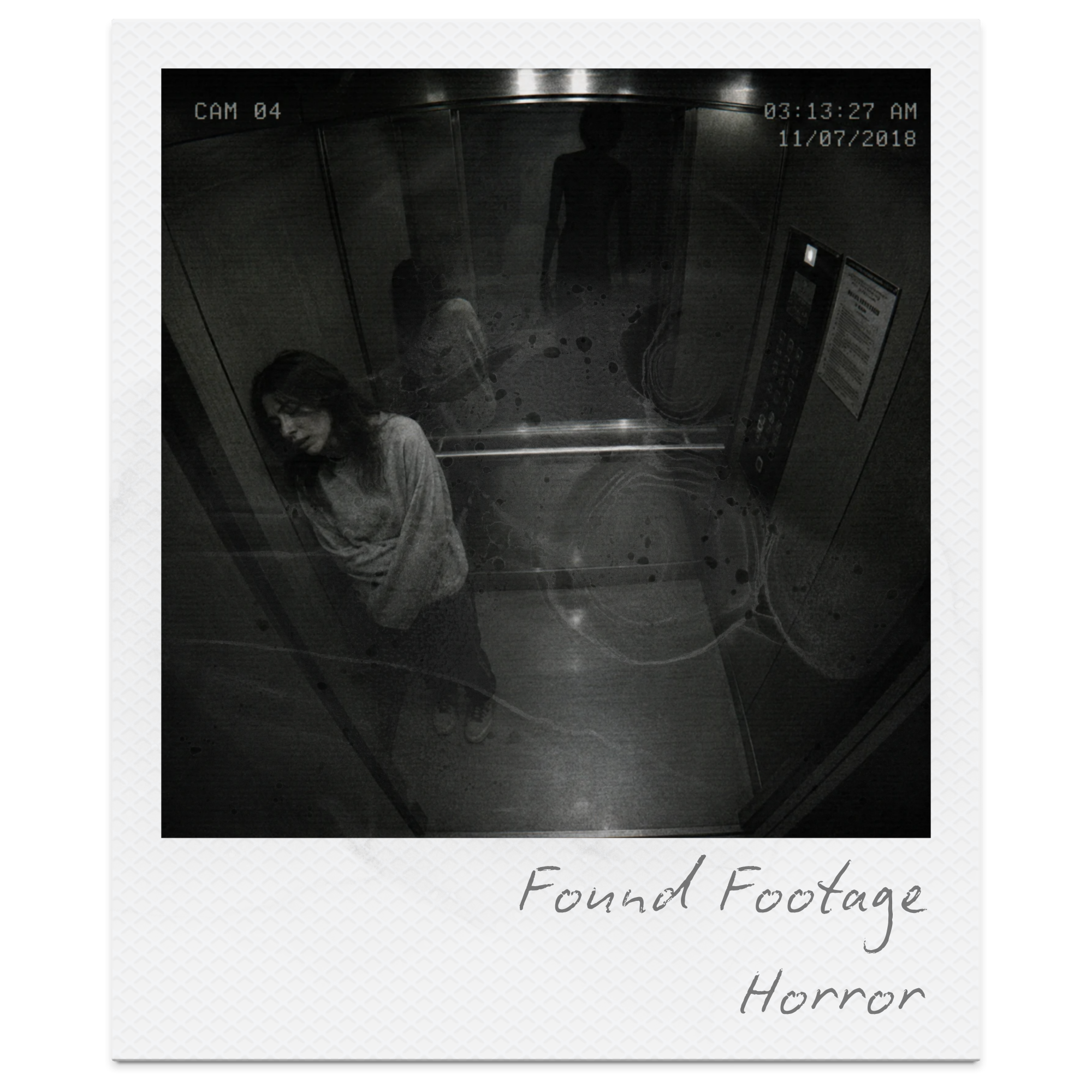
◆ Found Footage Horror Writing Prompts – discover lost recordings, abandoned investigations, corrupted surveillance footage, unexplained livestreams and fragments of evidence that suggest something terrible happened beyond the camera's view. Use these ideas to experiment with unreliable recordings, missing footage and mysteries revealed through recovered documents.
Discover More Horror Story Ideas & Generators
Sometimes one unsettling transmission is enough to inspire a story. Other times, you need an unexpected character, a disturbing discovery or a new direction for your plot.
◆ Horror Story Sparks – experiment with a free interactive horror writing generator featuring disturbing characters, eerie settings, sinister objects, supernatural threats, secrets, plot twists and unexpected discoveries. Combine the results with a Haunted Television broadcast to develop something entirely new.
◆ Horror Opening Lines – discover atmospheric and unsettling story beginnings designed to introduce psychological dread, supernatural mysteries and immediate narrative tension. Perfect when you've found an intriguing broadcast but aren't sure how to begin writing about it.
◆ Ghost Story Titles – explore evocative supernatural story titles paired with original hooks involving haunted buildings, restless spirits, forgotten histories, paranormal investigations and mysterious disappearances.
Create a Disturbing Setting for Your Story
Every strange broadcast suggests a world beyond the television screen. Perhaps the transmission originated in an abandoned hospital, a forgotten coastal town or a place that no longer appears on any map.
◆ Abandoned Places Horror Writing Prompts – explore deserted buildings, forgotten institutions, decaying interiors and locations where the absence of ordinary life creates a growing sense of unease.
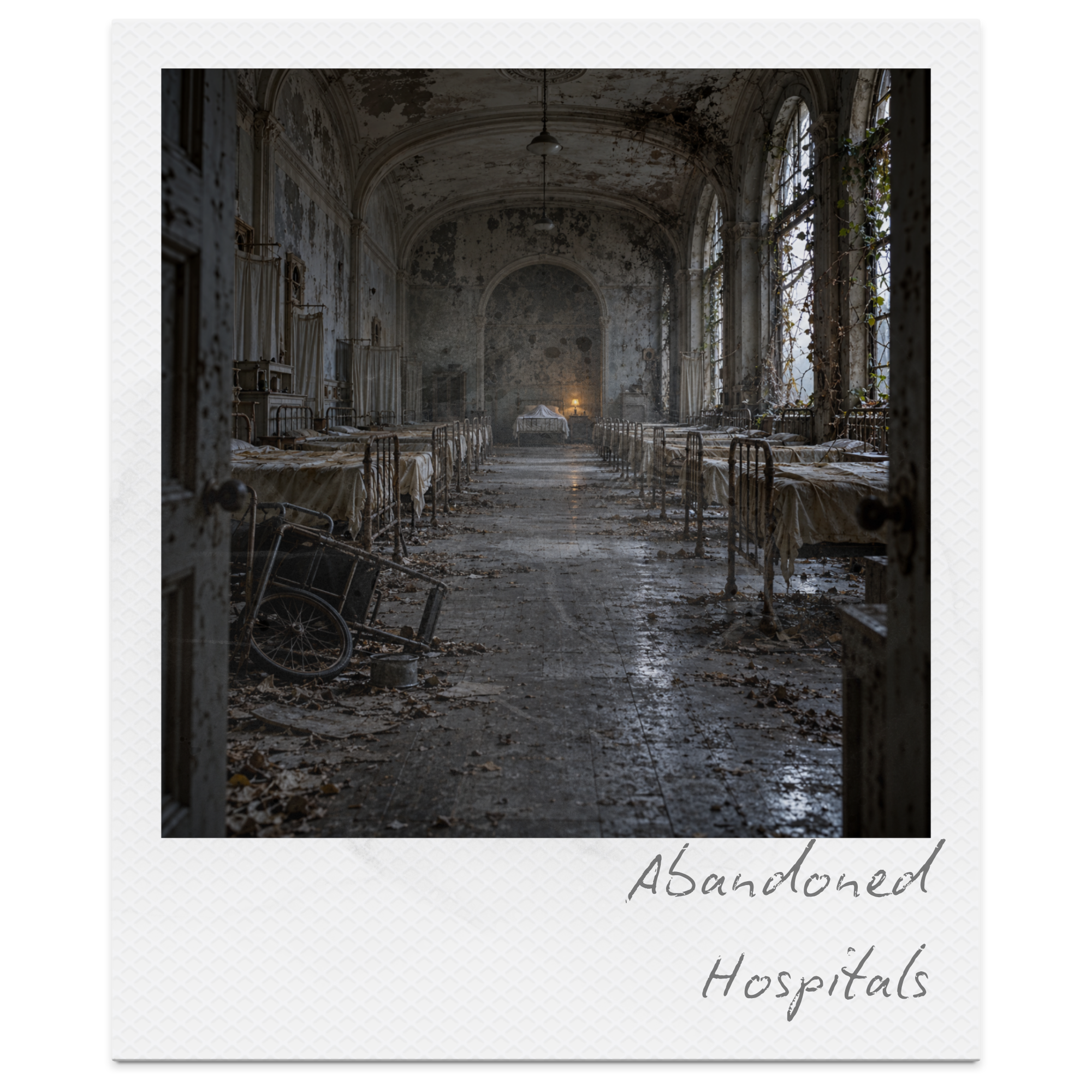
◆ Abandoned Hospital Horror Writing Prompts – develop stories involving deserted operating theatres, forgotten patient records, sinister medical experiments, mysterious diagnoses and hospital corridors that seem to conceal something far worse than their abandoned appearance suggests.
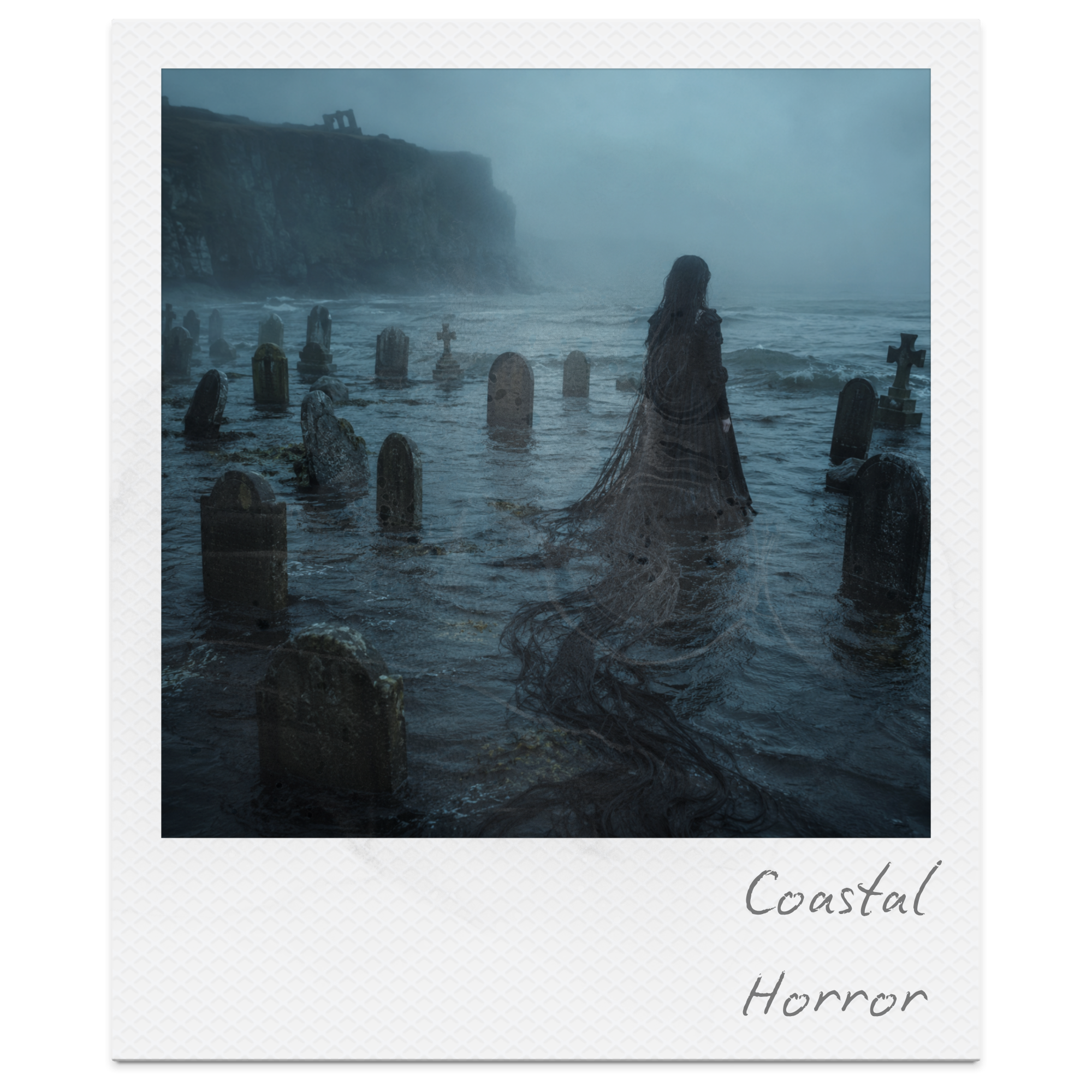
◆ Coastal Horror Writing Prompts – discover storm-battered coastlines, drowned villages, abandoned harbours, black tides and unsettling maritime mysteries. An ideal source of inspiration for expanding a strange weather report or missing-person broadcast into a larger supernatural story.
◆ Horror Town Names – create eerie settlements, isolated communities and forgotten villages with names that suggest buried secrets, sinister traditions and unsettling local histories. Give your fictional television station a hometown and imagine what its residents might be hiding.
Experiment With Psychological & Technological Horror
Not every frightening broadcast needs to contain a ghost or supernatural creature. Sometimes the most disturbing stories emerge from unreliable memories, altered identities, surveillance and the fear that familiar systems can no longer be trusted.
◆ Psychological Horror Writing Prompts – explore paranoia, distorted memory, unreliable perception, fractured identity, hidden surveillance and the terrifying possibility that a character's understanding of reality is beginning to collapse.
◆ Sci-Fi Horror Writing Prompts – experiment with dangerous technologies, artificial intelligence, futuristic surveillance, scientific experiments and systems that develop beyond human control. Transform a mysterious broadcast into a story about technology that has begun communicating something its creators never intended.
Step Inside a Complete Horror Storyworld
If you enjoy investigating mysterious evidence, piecing together fragmented narratives and imagining the stories behind strange discoveries, you might also enjoy the Ink & Insights Storyworld Archives.
These immersive creative-writing collections invite you to explore fictional worlds through documents, artefacts, illustrations and unanswered questions, allowing you to become both investigator and storyteller.
◆ The Silent Directive – enter a controlled dystopian world shaped by surveillance, silence and hidden resistance. Explore fragmented documents and concealed information in a society where official messages cannot always be trusted.
◆ The Victoriana Collection – uncover Gothic mysteries, missing persons and unsettling historical secrets in a richly atmospheric world where the boundary between the living and the dead is not always clear.
◆ Briar & Bone: The Cabinet of Unnatural Curiosities – investigate a collection of cursed possessions, sinister household objects and mysterious evidence, each offering inspiration for supernatural horror and stories about ordinary things concealing extraordinary dangers.
◆ Victoriana: The Cabinet of Curiosities – discover eerie Victorian antiques, mourning garments, unsettling childhood possessions and macabre objects that could become the starting point for your own Gothic mystery.
Explore the Complete Horror Writing Hub
Still searching for something more disturbing?
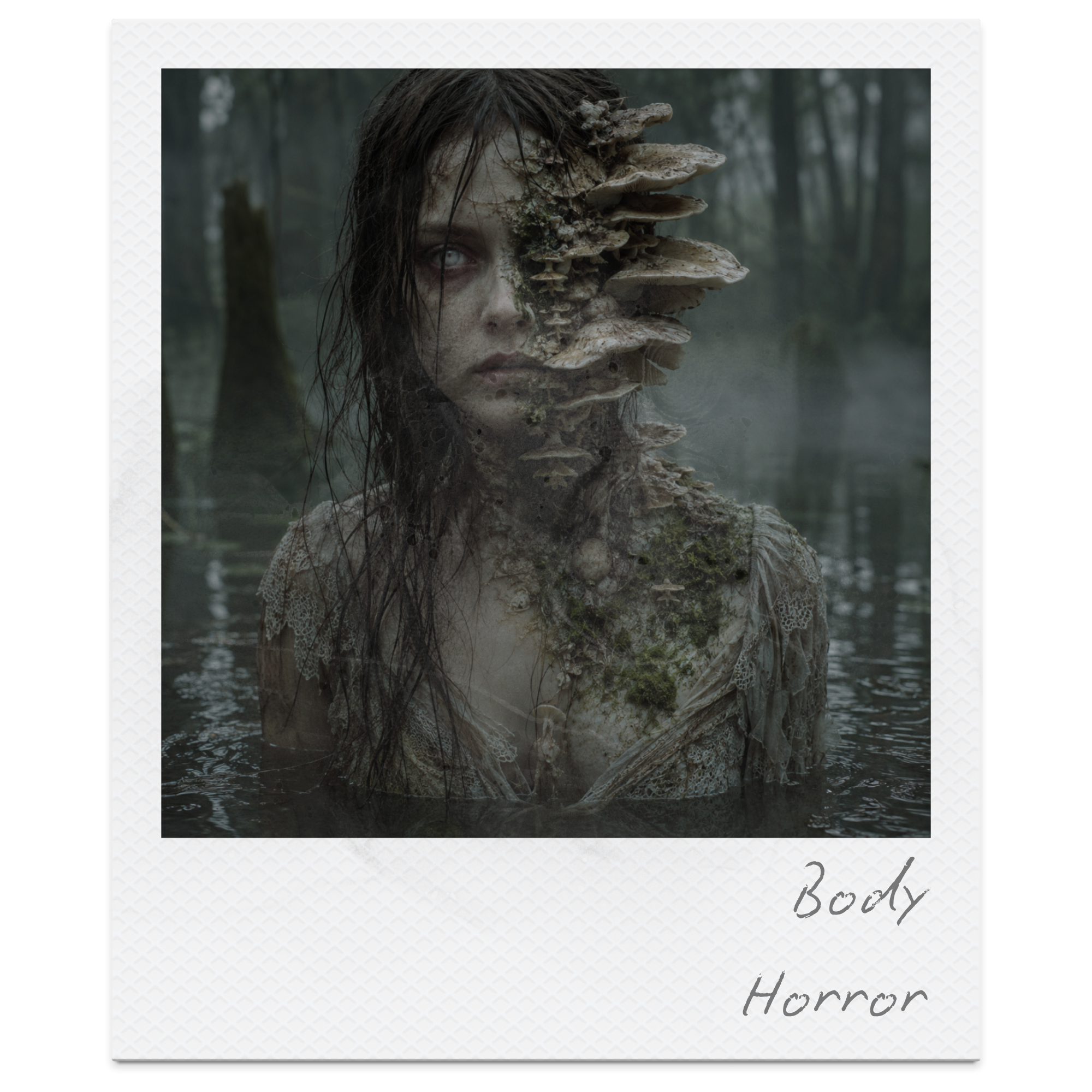
Visit the Horror Writing Hub to explore the wider collection of horror writing resources at Ink & Insights, including psychological horror, folk horror, body horror, supernatural fiction, atmospheric settings, frightening creatures, seasonal horror and interactive writing generators.
Whether you're developing a single chilling short story or constructing an entire fictional universe, there's always another mystery waiting to be uncovered.
And if the television starts broadcasting again while you're writing, perhaps you should see what it wants.
Final Thoughts: Some Signals Are Better Left Unanswered
Somewhere, an old television is still broadcasting.
Its programmes have long since disappeared from the schedules. The presenters are forgotten, the station has closed, and nobody remembers who recorded the tapes. Yet the signal continues, carrying warnings, strange announcements and fragments of stories that were never supposed to reach an audience.
That's part of what makes analog horror so fascinating. It transforms familiar technology into something mysterious, turning an ordinary television programme, emergency alert or forgotten recording into the beginning of something deeply unsettling.
With 150 broadcasts across six channels, The Haunted Television offers countless opportunities to experiment with horror writing. You might uncover a mystery through recovered transcripts, build an entire fictional town around a disturbing news report, or develop a short story from a single sentence spoken by someone who shouldn't exist.
You don't need to explain every strange occurrence or reveal every secret. Sometimes the most powerful horror emerges from the questions your story leaves behind — and the possibility that the truth is far worse than anything your readers have imagined.
So return to the television whenever you need a little inspiration. Explore another channel, follow an unexpected transmission, and see where your imagination takes you.
Just remember: not every broadcast is intended for the living.
And if the screen displays your name, perhaps it's time to turn it off.
Choose Your Next Adventure