Notes from the Inkpot
Writing, teaching, creating - one ink-stained idea at a time.




The Soldier by Rupert Brooke: Meaning, Themes, and How to Teach the Poem
The Soldier by Rupert Brooke is one of the most recognisable poems from the early years of the First World War, presenting death in war as meaningful, peaceful, and bound to ideas of home and national identity. Rather than depicting violence or trauma, the poem offers clarity and reassurance, reflecting the confidence and idealism that shaped early attitudes to conflict. This teaching-focused deep dive explores the meaning, themes, form, and structure of The Soldier, examining how patriotism, sacrifice, and legacy are constructed through language and sonnet form. Designed for classroom use, the post offers clear analysis, creative teaching approaches, and guidance on placing the poem within a wider study of conflict poetry.
My Favourite Ray Bradbury Texts (And How I Use Them in the Classroom)
Ray Bradbury remains one of the most powerful and teachable voices in dystopian and speculative fiction. His texts explore technology, control, conformity, responsibility, and human behaviour in ways that feel unsettlingly familiar to modern students. From short stories like The Veldt and A Sound of Thunder to novels such as Fahrenheit 451 and Something Wicked This Way Comes, Bradbury’s writing invites discussion without overwhelming students with complexity or historical distance. This post brings together my favourite Ray Bradbury texts for the classroom, organised by theme and paired with practical teaching ideas. Rather than treating each story in isolation, it explores how Bradbury’s work functions as a connected body of warnings — about comfort, power, environment, and choice. If you’re looking for engaging ways to teach Ray Bradbury, build discussion-led lessons, or introduce dystopian fiction in a way that feels relevant and accessible, this is a strong place to start.

The Veldt by Ray Bradbury: Summary, Themes, Meaning & Analysis
Ray Bradbury’s The Veldt is often taught as a warning about technology gone too far — but that reading only scratches the surface. Beneath the virtual nursery and its unsettling imagery, the story is really about parenting, power, and what happens when moral responsibility is repeatedly deferred in favour of comfort. In this in-depth analysis for English teachers, I explore how The Veldt exposes emotional outsourcing, delayed authority, and the quiet consequences of avoidance. The post examines Bradbury’s post-war context, the nursery as a site of control rather than care, and why the story’s ending feels inevitable rather than shocking. With clear classroom insight, teaching guidance, and extension ideas, this post helps teachers move beyond surface-level symbolism and into richer discussion about technology, control, and responsibility — showing why The Veldt remains one of Bradbury’s most disturbing and relevant stories to teach.

Futility by Wilfred Owen: Meaning, Themes, and How to Teach the Poem
Futility by Wilfred Owen is one of the most quietly devastating poems in First World War poetry, challenging readers to confront loss, creation, and the possibility that meaning itself may fail under pressure. Rather than depicting the violence of battle, Owen focuses on a single, still moment after death, using restrained language and natural imagery to question whether life, care, and sacrifice were ever guaranteed purpose. This deep dive explores the meaning, themes, form, and structure of Futility, examining how tenderness, love between soldiers, and faith in nature gradually give way to philosophical doubt. Written for teachers, this post moves beyond summary to support classroom discussion, close analysis, and thoughtful teaching, showing why Futility remains one of the most challenging and powerful war poems to study at higher levels.

Favourite Short Stories for the Classroom: Powerful Texts That Spark Discussion and Debate
Short stories offer some of the richest opportunities for discussion in the classroom. Their compact form allows students to engage deeply with power, choice, identity, and consequence, while leaving space for interpretation rather than easy answers. The best short stories do not rush towards resolution; they invite debate, uncertainty, and close attention to language. This post brings together favourite short stories for the classroom — texts that consistently spark discussion and reward close reading. Organised by theme, it explores stories such as The Lottery, The Yellow Wallpaper, The Necklace, and The Monkey’s Paw, alongside practical classroom ideas designed to support thoughtful, discussion-led teaching.
Pre-Reading Poetry Activities for Secondary English (Before Analysis Begins)
Poetry often becomes difficult in classrooms not because the poems themselves are inaccessible, but because students are asked to analyse them before they have had time to encounter them as readers. When lessons begin with context, terminology, and line-by-line breakdowns, many students assume there is a correct interpretation they are meant to find — and that poetry is something to decode rather than experience. Pre-reading and pre-analysis poetry activities slow that process down. They give students space to hear a poem, react to it, and form instincts before analysis begins. By focusing on first impressions, emotional response, and pattern-spotting, these approaches help students build confidence and curiosity — making later close reading more meaningful, purposeful, and far less mechanical.

Teaching The Lottery by Shirley Jackson Without Context (And Why It Works)
When teaching The Lottery by Shirley Jackson, I deliberately avoid giving students historical context before the first reading. Instead, I let them experience the story as it was designed to be read: ordinary, unsettling, and deeply uncomfortable. In this post, I explain why teaching The Lottery without context leads to stronger discussion, deeper understanding, and more meaningful student responses — and how delaying explanation allows the text itself to do the work.
How and Why to Teach Dulce et Decorum Est: Context, Meaning, and Classroom Approach
Dulce et Decorum Est is one of the most widely taught and frequently misunderstood poems of the First World War. This in-depth guide explores how and why to teach Wilfred Owen’s war poem through historical context, changing attitudes to war, and thoughtful classroom practice. From first encounters with the poem to assessment and common teaching pitfalls, this post offers a clear, purposeful approach to teaching Dulce et Decorum Est as more than an exam text — but as a powerful challenge to the language used to glorify war.

My Favourite Texts to Teach in March (Novels, Plays, Short Stories & Poems)
March is a turning point in the school year. Students are no longer settling in, but they’re not quite finished either — and that shift matters. This is the moment when texts about voice, power, and resistance begin to land differently. From novels and plays to short stories and poems, these are the texts I return to every March because they meet students exactly where they are: questioning, restless, and ready to think more deeply.
Lord of the Flies: Why Students Engage, and Why Teachers Need More Than a Summary Sheet
Lord of the Flies is a novel that consistently engages students, but teaching it well requires more than summary sheets and surface-level analysis. This post explores why Lord of the Flies works so powerfully in the classroom, how students instinctively respond to its themes of power, fear, and responsibility, and where lessons often begin to break down once discussion deepens. Written for teachers working across different classrooms and curricula, this guide focuses on how to teach Lord of the Flies effectively — from structuring discussion and securing recall to using creative writing as a way into deeper analysis. It also shares practical classroom strategies and introduces a comprehensive Lord of the Flies resource bundle designed to support discussion, analysis, and assessment without increasing planning workload.
The Real Point of A Christmas Carol: Meaning, Context, and Why We’re Still Missing It in the Classroom
A Christmas Carol is often taught as a simple story of personal redemption, but Charles Dickens wrote it as a fierce critique of poverty, inequality, and social responsibility. Beneath the familiar ghosts and festive imagery lies a political text that challenges readers to confront the systems that allow suffering to persist. This post explores the real meaning of A Christmas Carol in the classroom, examining Dickens’ purpose, key ideas, and modern relevance. With clear analysis, teaching insights, and discussion extensions, it shows how the novella works not just as a set text, but as a demand for action — making it more powerful, relevant, and challenging for students today.
Teaching Edgar Allan Poe in the Secondary English Classroom
Edgar Allan Poe remains one of the most effective writers to teach in the secondary English classroom, offering short stories and poems that reward close reading, discussion, and interpretation. His work explores unreliable narrators, psychological tension, symbolism, and moral ambiguity, making it ideal for discussion-led lessons that move beyond plot and towards deeper literary thinking. In this post, Poe’s most commonly taught texts are organised by theme rather than chronology, allowing teachers to explore patterns around guilt, power, grief, atmosphere, and logic across both prose and poetry. With practical classroom ideas and links to complete teaching resources, this guide supports secondary English teachers looking to teach Edgar Allan Poe with depth, flexibility, and intellectual rigour.
10 Best WWI Poems to Teach (And How to Teach Them)
World War One poetry is a powerful and enduring part of secondary English literature, offering students a direct literary response to war, trauma, memory, and loss. This post explores 10 of the best WWI poems to teach, with clear teaching focuses, classroom-ready ideas, and suggestions for discussion and creative response. The poems are grouped thematically to support comparative study and flexible unit planning. Designed for global classrooms, this guide supports close reading, empathy-building discussion, and analytical writing, while linking to deeper teaching resources and the wider Literature Library. Whether you’re planning a full World War One poetry unit or selecting individual poems to complement a wider literature course, this post offers practical guidance rooted in strong literary foundations.

Why Of Mice and Men Still Matters: Context, Controversy, and the Classroom
Of Mice and Men remains one of the most powerful and challenging texts taught in the secondary English classroom. Despite ongoing debate around challenged books, controversial language, and classroom suitability, Steinbeck’s novella continues to resonate with students because it tackles enduring questions of power, loneliness, prejudice, and moral responsibility. Short, accessible, and deceptively complex, it invites discussion rather than delivering easy answers. This post explores why teachers still teach Of Mice and Men in 2026, examining its historical context, its place within modern classrooms, and the strategies that keep students engaged through creative writing, discussion-led learning, and reflective tasks. It also offers ideas for taking learning deeper once the final chapter is reached — supporting thoughtful, nuanced teaching of a text that refuses to be forgotten.
How to Teach All Summer in a Day (Including Discussion Ideas & Creative Writing Activities)
All Summer in a Day by Ray Bradbury is a powerful KS3 short story that explores conformity, bullying, empathy, and collective cruelty through a deceptively simple science-fiction setting. This classroom-focused guide shares practical teaching strategies, discussion ideas, and creative writing approaches to help students engage deeply with the text while encouraging thoughtful analysis and reflection. Drawing on literary context, lesson flow, and meaningful creative responses, this post shows how All Summer in a Day can be taught as more than a plot-driven story — and how it opens into wider conversations about responsibility, silence, and moral choice in both literature and the classroom.

Why Macbeth Is the Only Shakespeare Play I’ll Never Get Sick Of (And Why It Works So Well in the Classroom)
Why is Macbeth still one of the most effective Shakespeare plays to teach? Because it refuses easy answers. Packed with ambition, power, guilt, and moral consequence, Macbeth invites students to interrogate responsibility, persuasion, and the slow erosion of ethical boundaries. Far from feeling dated, the play’s questions about decision-making and complicity remain deeply recognisable in modern classrooms. In this post, I explore why Macbeth continues to work so well with students, how its structure naturally invites debate and interpretation, and how creative and discussion-based approaches can deepen understanding without sacrificing rigour. I also share a free Macbeth classroom resource and explain how I use flexible, reusable teaching tools to support analysis, creative writing, and meaningful discussion across the play.

How to Teach 1984: Context, Classroom Activities, and Real-World Connections
George Orwell’s 1984 remains one of the most powerful texts for exploring power, surveillance, and truth in the classroom. This teaching guide examines the novel’s political context, the totalitarian system of Oceania, and the mechanisms of control that shape Orwell’s dystopian world — from language manipulation to constant observation. Blending classroom experience with practical teaching strategies, this post explores how 1984 can be taught thoughtfully through discussion, real-world connections, and creative responses. It also includes a classroom social experiment, guidance on why the novel is often banned or challenged, and ideas for extending learning beyond the text — making 1984 accessible, relevant, and deeply engaging for students.
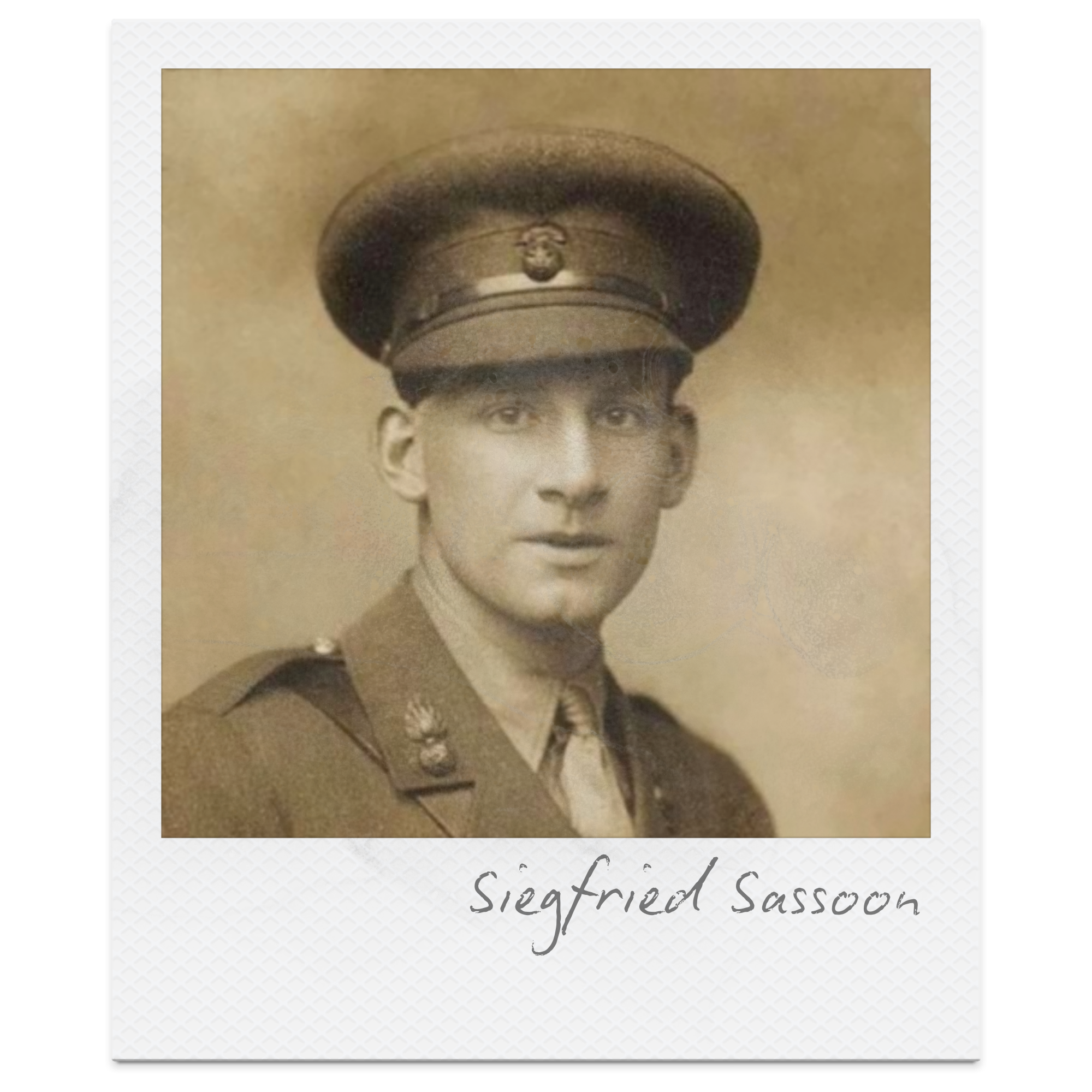
Siegfried Sassoon: Context, War Poetry, and Literary Significance
Siegfried Sassoon is one of the most important voices in First World War poetry, writing not from imagination but from direct experience of trench warfare. His poems expose the brutality, futility, and moral failure of modern war, challenging patriotic narratives that present suffering as noble or necessary. Through irony, anger, and controlled restraint, Sassoon forces readers to confront the gap between those who fight and those who authorise violence from a distance. Understanding Sassoon’s context is essential for reading poems such as “Suicide in the Trenches.” Shaped by frontline combat, public protest, and psychological trauma, his writing interrogates responsibility, authority, and the language used to justify mass death. Rather than offering comfort or heroic sacrifice, Sassoon’s war poetry demands ethical engagement, making it central to the study of WWI literature and modern protest writing.
Dream Land by Christina Rossetti: Summary, Meaning & Critical Analysis
Christina Rossetti’s Dream Land is a poem of rest, withdrawal, and emotional stillness, where calm conceals a deeply unsettling vision of peace. Through controlled imagery, repetition, and restrained language, Rossetti presents a female figure who turns away from life, growth, and sensation, entering a state of charmed sleep that resists clear distinction between sleep, death, and chosen retreat. This analysis of Dream Land explores Rossetti’s use of form, imagery, and silence to construct peace as something achieved through absence rather than fulfilment. By examining language, structure, and alternative interpretations, the post invites readers to consider when rest becomes refuge — and when it becomes erasure — situating the poem within Rossetti’s wider preoccupation with restraint, renunciation, and emotional control.
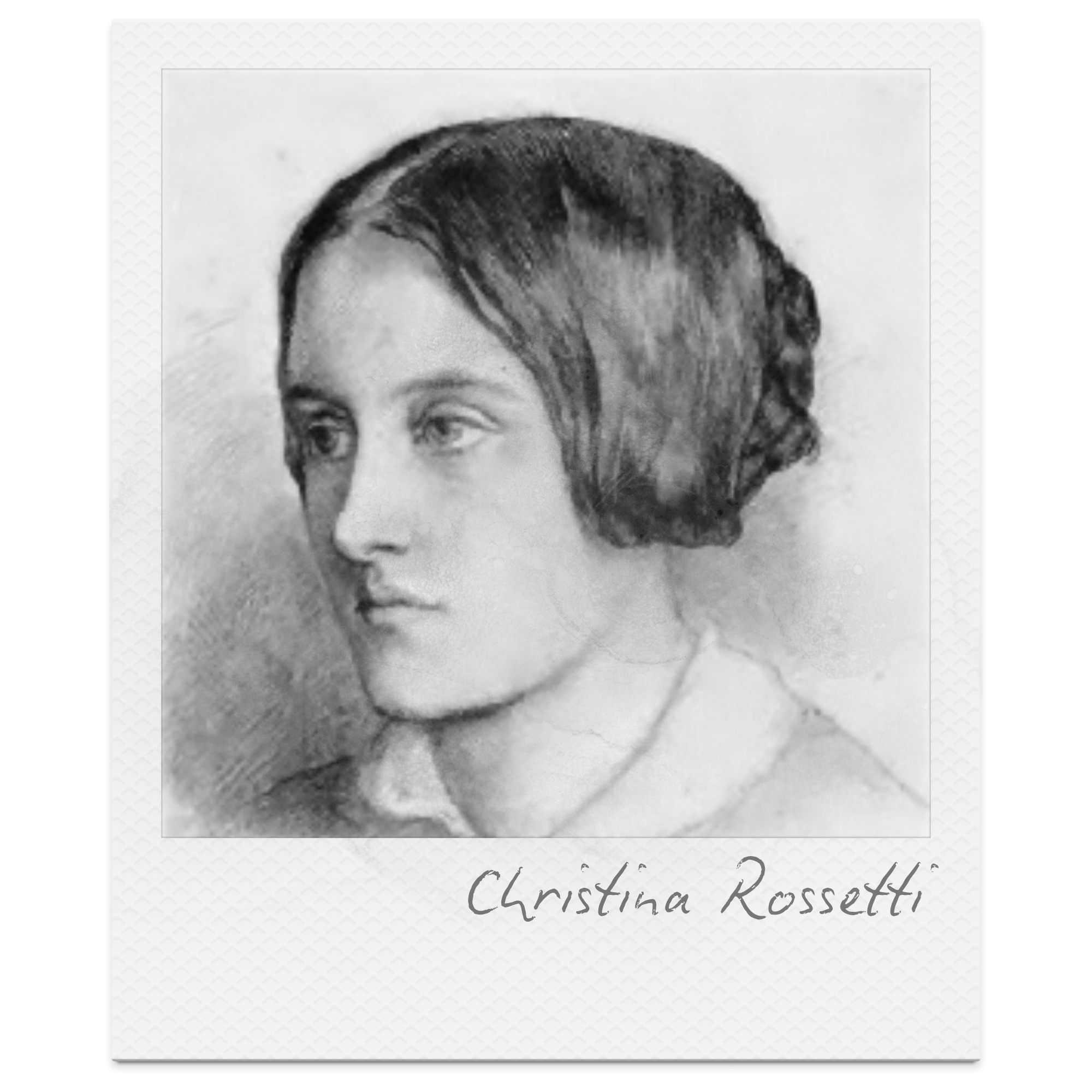
Christina Rossetti: Context, Themes, and Literary Significance
Christina Rossetti’s poetry is shaped by religious discipline, emotional restraint, and sustained psychological conflict. Writing within the pressures of Victorian gender norms and devotional expectation, Rossetti explores what happens when desire must be suppressed, faith demands self-surveillance, and feeling is carefully managed rather than released. Her poems rarely offer resolution, instead lingering in states of waiting, silence, and endurance, where emotional tension is contained beneath deceptively simple forms. Reading Rossetti in context reveals how her work engages with mental health, spiritual doubt, and the governance of emotion in nineteenth-century literature. Through repetition, restraint, and withheld voice, Rossetti constructs lyric speakers who negotiate authority internally, making her poetry particularly rich for close reading and thematic interpretation. This contextual overview provides a foundation for exploring Rossetti’s enduring significance across Victorian poetry, psychological realism, and modern critical debate.