Notes from the Inkpot
Writing, teaching, creating - one ink-stained idea at a time.




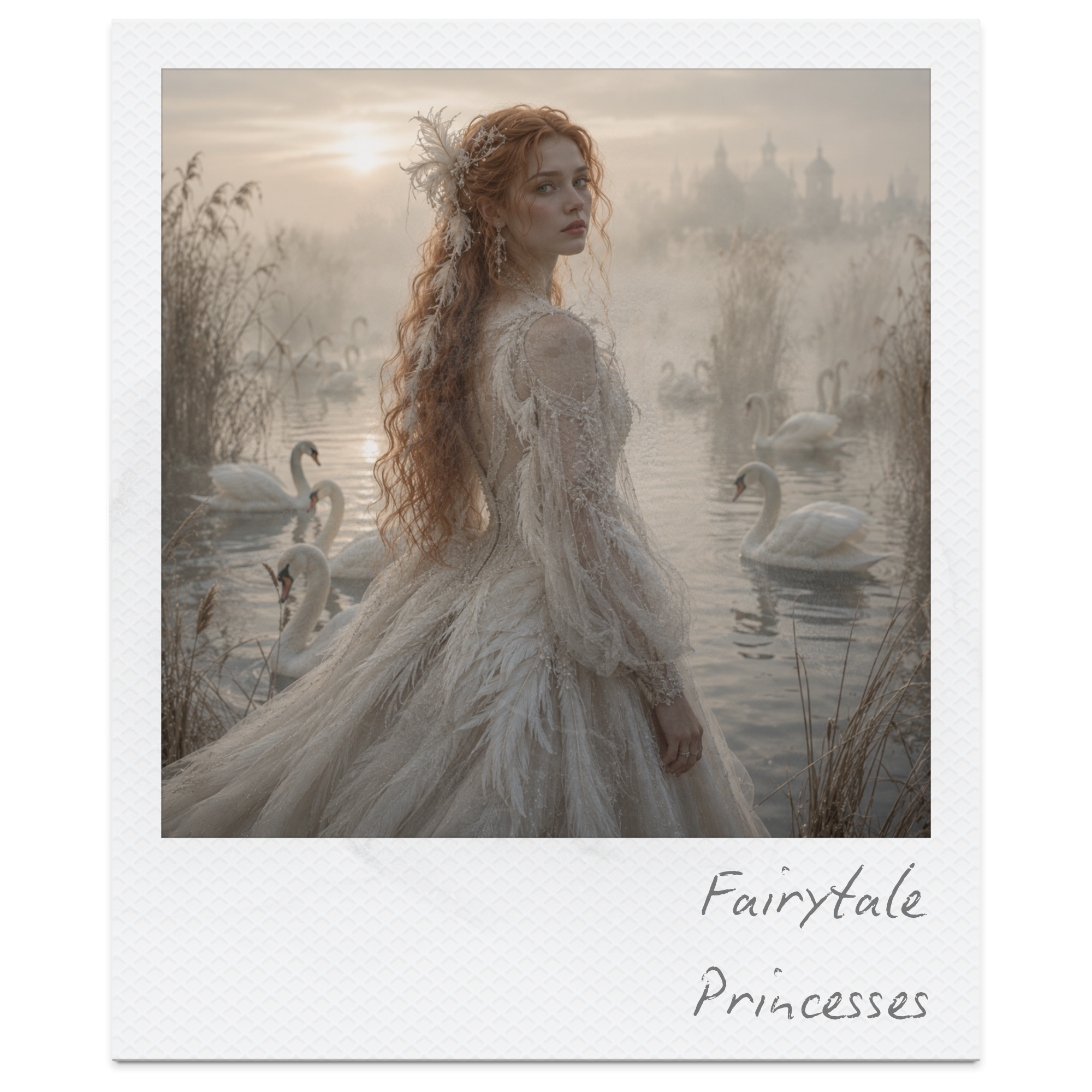
70 Fairytale Princess Writing Prompts: Magic, Destiny & Hidden Power
Step into enchanted kingdoms, hidden forests, magical castles, and ancient realms with these 70 Fairytale Princess Writing Prompts. Inspired by classic fairytales, folklore, and fantasy literature, this collection explores courageous princesses, royal secrets, powerful curses, magical creatures, forgotten heirs, enchanted crowns, and destinies waiting to unfold. Featuring plot hooks, title ideas, opening lines, closing lines, character concepts, setting inspiration, and visual story prompts, these ideas are perfect for writers who love fairy tales filled with adventure, wonder, mystery, and transformation. Whether your princess is battling dragons, uncovering ancient magic, breaking powerful curses, or discovering her true place in the world, these prompts offer endless inspiration for creating unforgettable fantasy stories.
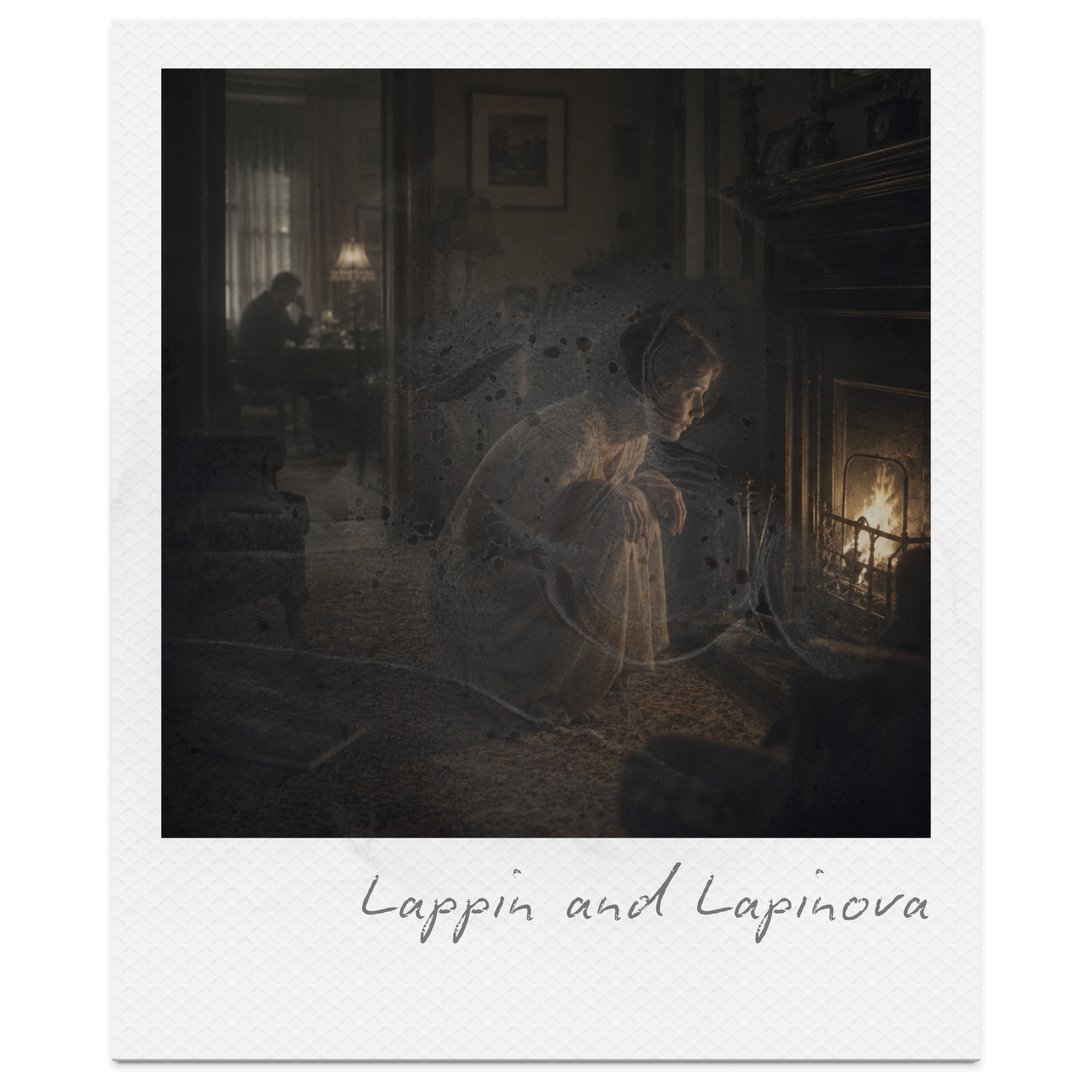
Lappin and Lapinova by Virginia Woolf: Summary, Themes & Analysis
Virginia Woolf’s Lappin and Lapinova is a psychologically rich short story exploring marriage, identity, imagination, and emotional isolation through symbolism, shifting atmosphere, and modernist narration. The story follows Rosalind and Ernest Thorburn as they create a private fantasy world in which they become King Lappin and Queen Lapinova — symbolic rabbit identities that allow them to escape ordinary domestic reality and form an intimate emotional language of their own. This detailed analysis for CIE IGCSE World Literature (0408) explores the story’s themes, symbolism, structure, narrative voice, and key quotations, while examining how Woolf uses rabbit imagery, psychological perspective, and the gradual collapse of fantasy to reveal the fragility of intimacy and the fear of losing identity within marriage. The guide also includes alternative interpretations, exam-ready insights, and classroom-focused teaching ideas designed to support deeper literary analysis and discussion.
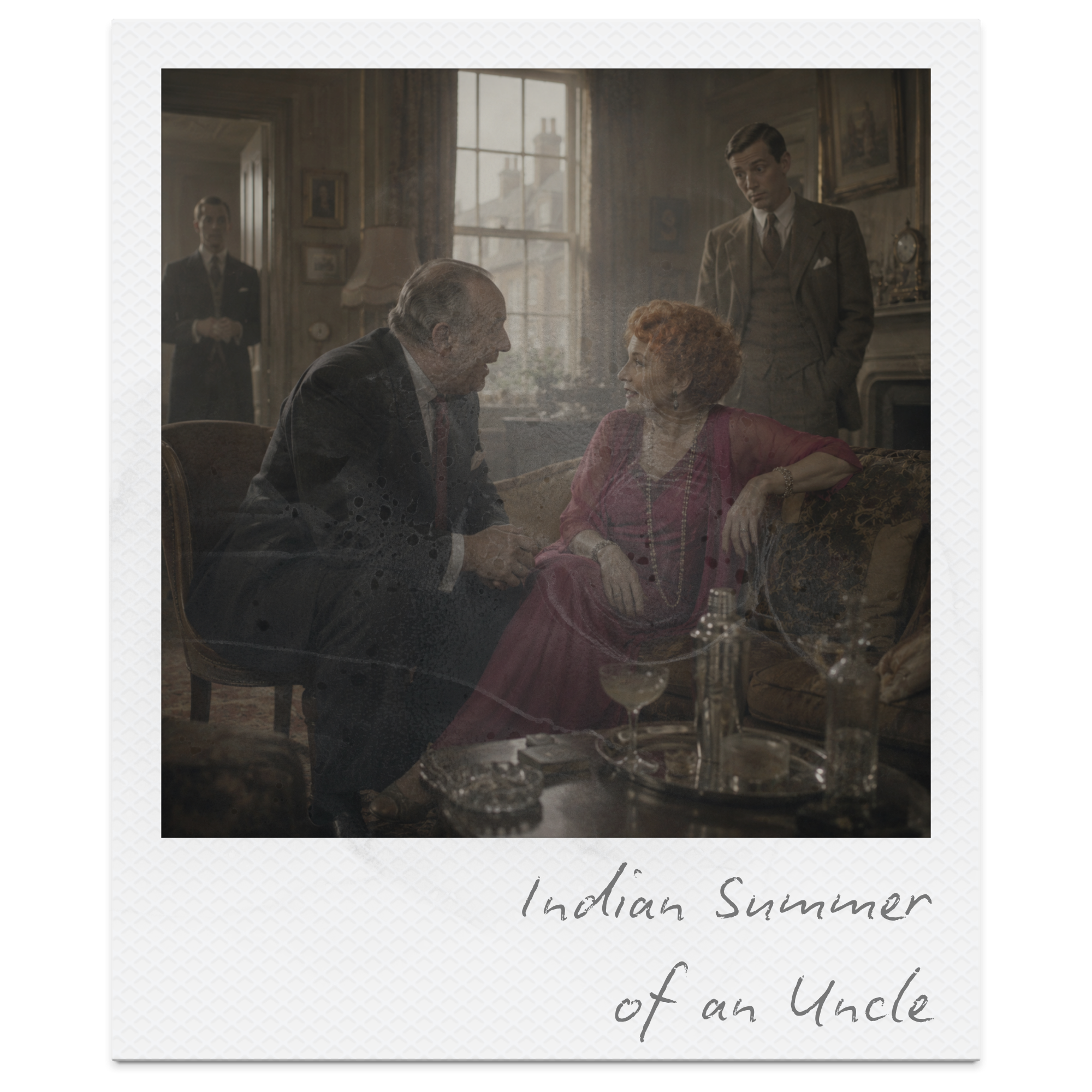
Indian Summer of an Uncle by P.G. Wodehouse: Summary, Themes & Analysis
P.G. Wodehouse’s Indian Summer of an Uncle is a comic short story exploring class, marriage, family pressure, romantic misunderstanding, and the absurdities of upper-class society through dramatic irony, exaggerated narration, and sharp social satire. Told through Bertie Wooster’s humorous first-person perspective, the story follows the chaos that erupts when the elderly Uncle George suddenly decides to marry a young waitress, horrifying his aristocratic family and forcing Bertie into a series of increasingly awkward situations. This detailed analysis for CIE IGCSE World Literature (0408) explores the story’s themes, symbolism, structure, narrative voice, and key quotations, while examining how Wodehouse creates humour through comic contrast, misunderstanding, and the gap between appearance and emotional reality. The guide also includes alternative interpretations, exam-ready insights, and classroom-focused teaching ideas designed to support deeper literary analysis and discussion.
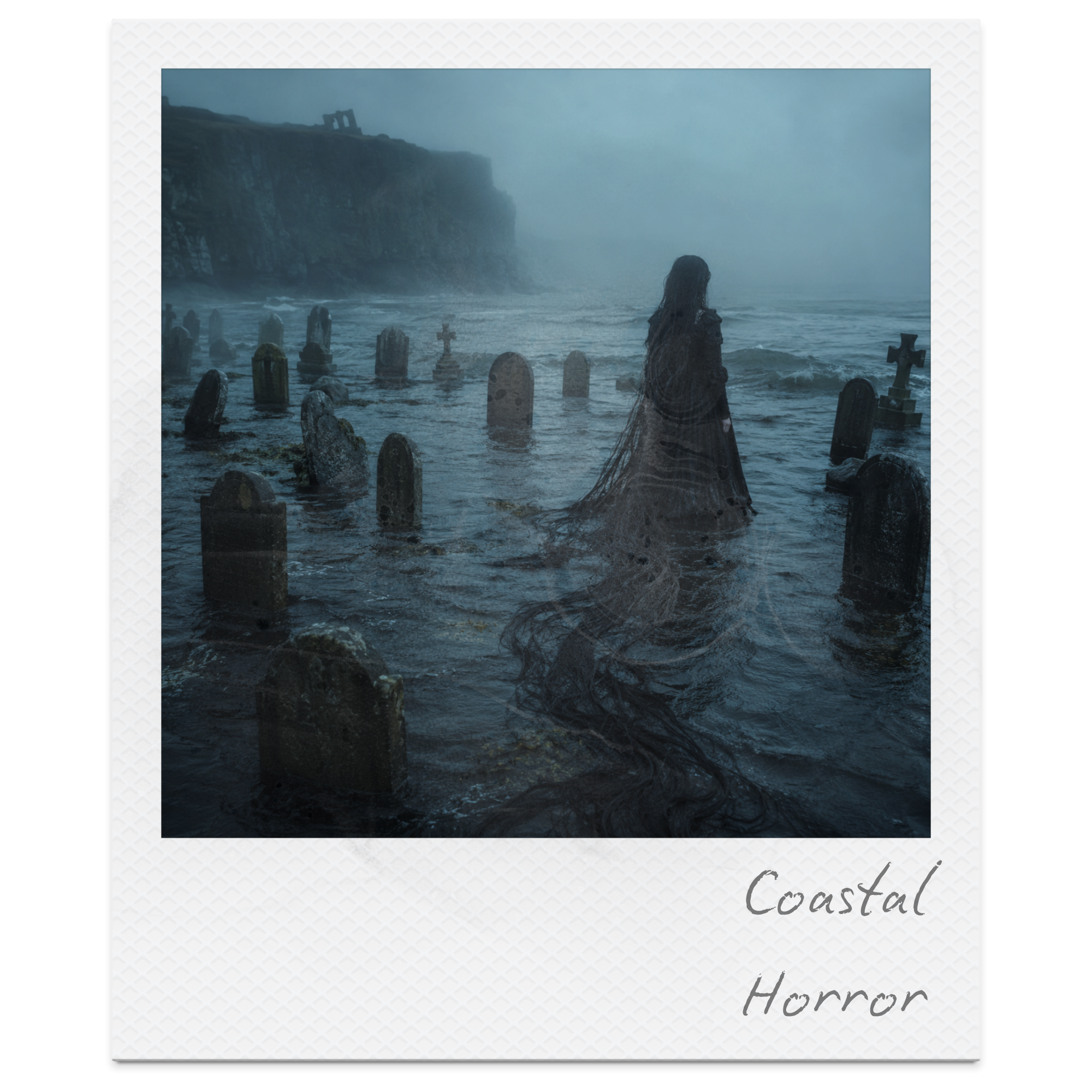
70 Coastal Horror Writing Prompts: Drowned Villages, Black Tides & Salt-Stained Secrets
Coastal horror transforms the sea into something ancient, hostile, and unknowable. Unlike coastal gothic, which often leans into melancholy ruins, windswept romance, isolated lighthouses, and decaying seaside beauty, coastal horror focuses on dread, inevitability, survival, and the terrifying feeling that the ocean is alive — and watching. These stories explore black tides, drowned villages, abandoned harbours, sea caves, shipwrecks, storm surges, coastal disappearances, and ancient things waiting beneath the waterline.
Some of the most effective coastal horror stories use atmosphere and environmental terror to create fear. The Shadow over Innsmouth by H. P. Lovecraft transforms an isolated fishing town into a place of corruption and ancient sea worship, while The Fog by John Carpenter turns rolling coastal mist into a supernatural threat carrying the dead ashore. Stories such as The Terror, Cold Skin, The Lighthouse, Dark Matter, and Dead Calm combine isolation, violent weather, maritime folklore, psychological collapse, and the terrifying indifference of the sea itself. Coastal horror frequently explores themes of obsession, survival, inherited curses, disappearing communities, drowned memory, and humanity’s helplessness against vast natural forces. These stories thrive in environments shaped by erosion, storms, and isolation — flooded graveyards, black cliffs, rusting shipwrecks, drowned forests, abandoned piers, offshore platforms, and harbours swallowed by fog. The coastline constantly changes, concealing evidence beneath tides and dragging forgotten things back to shore. In coastal horror, the sea is never just a setting. It becomes a force capable of watching, waiting, and reclaiming whatever belongs to it.
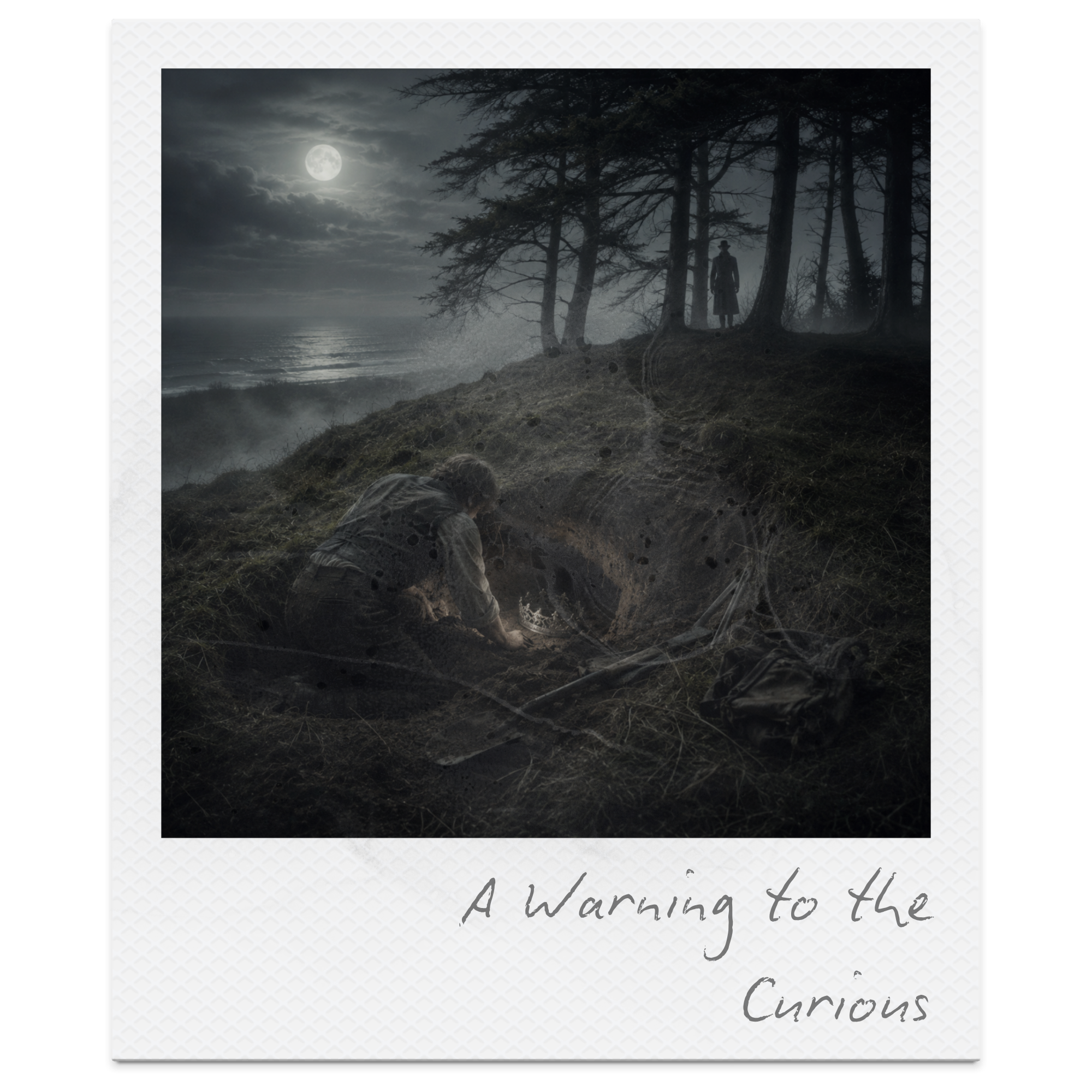
A Warning to the Curious by M.R. James: Summary, Themes & Analysis:::
M.R. James’s A Warning to the Curious is a chilling Gothic ghost story exploring curiosity, fear, historical memory, guilt, and the dangerous consequences of disturbing what should remain hidden. Through the isolated coastal setting of Seaburgh, the mysterious buried crown, and the increasingly terrified figure of Paxton, James gradually transforms scholarly curiosity into psychological horror and supernatural dread. This detailed analysis for CIE IGCSE World Literature (0408) explores the story’s themes, symbolism, structure, narrative voice, and key quotations, while examining how James creates fear through atmosphere, ambiguity, folklore, and Gothic tension. The guide also includes alternative interpretations, exam-ready insights, and classroom-focused teaching ideas designed to support deeper literary analysis and discussion.
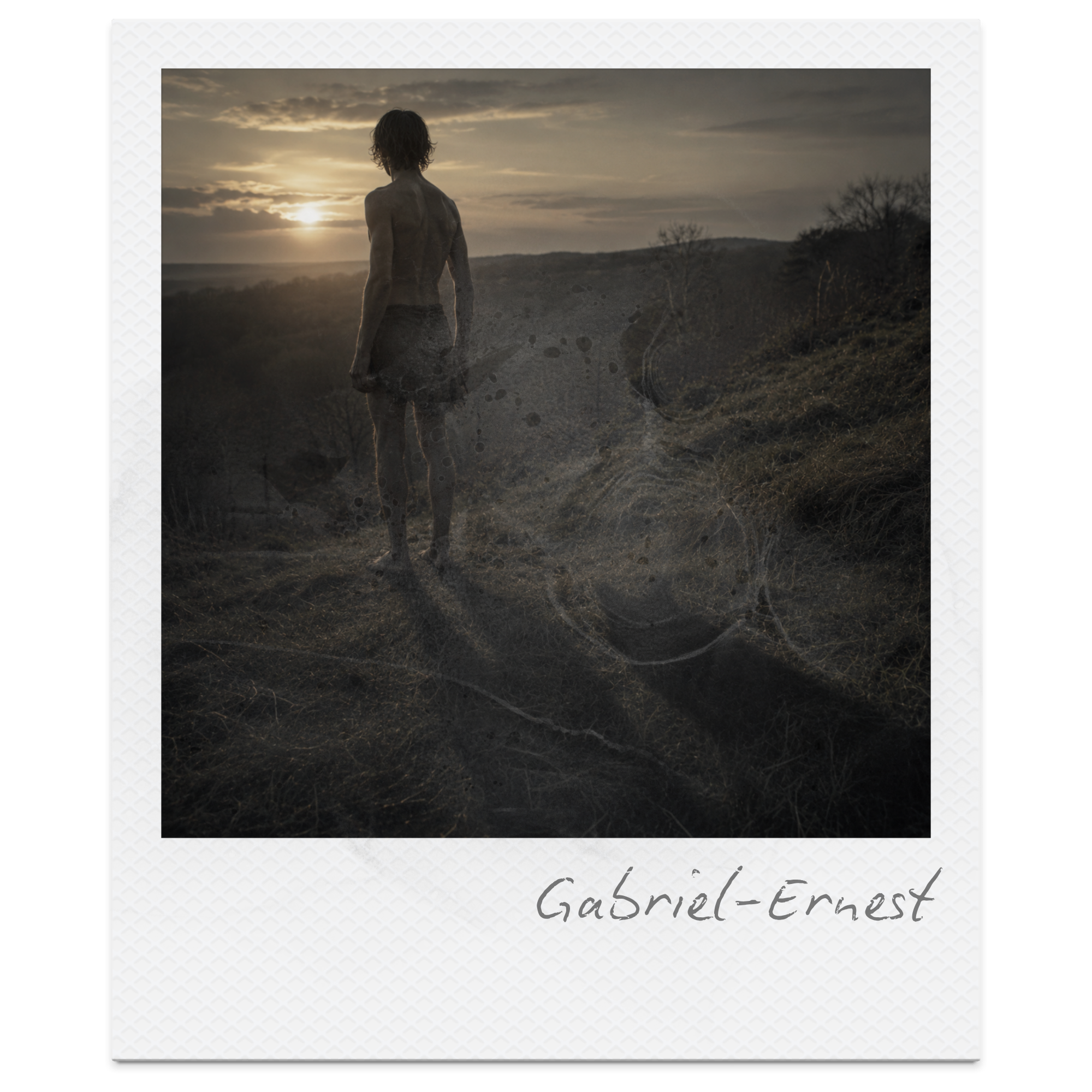
Gabriel-Ernest by Saki: Summary, Themes & Analysis
Saki’s Gabriel-Ernest is a dark and unsettling Gothic short story exploring civilisation versus savagery, hidden violence, fear of the unknown, and the dangerous instincts lurking beneath respectable society. Through the mysterious figure of Gabriel-Ernest, Saki gradually transforms an apparently ordinary rural setting into a landscape filled with supernatural tension, psychological unease, and growing horror. This detailed analysis for CIE IGCSE World Literature (0408) explores the story’s themes, symbolism, narrative voice, structure, and key quotations, while examining how Saki uses animalistic imagery, irony, and ambiguity to create suspense and fear. The guide also includes alternative interpretations, exam-ready insights, and classroom-focused teaching ideas designed to support deeper literary analysis and discussion.
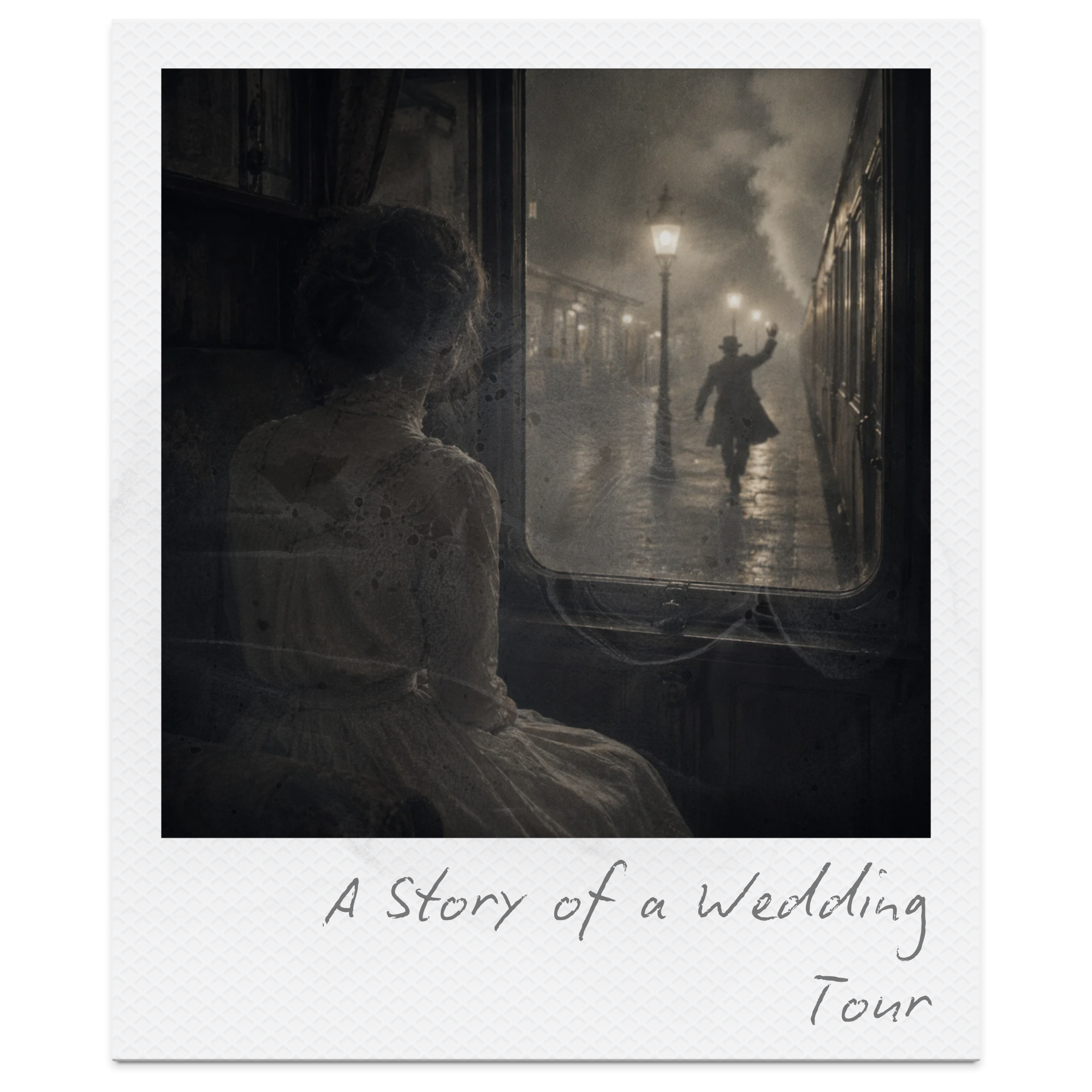
A Story of a Wedding-Tour by Margaret Oliphant: Summary, Themes & Analysis
Margaret Oliphant’s A Story of a Wedding-Tour is a psychologically complex Victorian short story exploring marriage, female autonomy, freedom, identity, and moral ambiguity through the story of Janey, a young bride who impulsively abandons her husband during their honeymoon journey through France. Combining emotional realism with powerful symbolism, Oliphant examines the suffocating realities hidden beneath romantic expectations while exploring the emotional consequences of escape and reinvention. This analysis explores the story’s themes, structure, symbolism, narrative voice, and key quotations, while examining how Oliphant uses trains, movement, and shifting settings to reflect Janey’s psychological transformation. Ideal for students studying Stories of Ourselves Volume 2 for CIE IGCSE World Literature (0408), the guide also includes exam-ready insights, alternative interpretations, and classroom-focused teaching ideas.
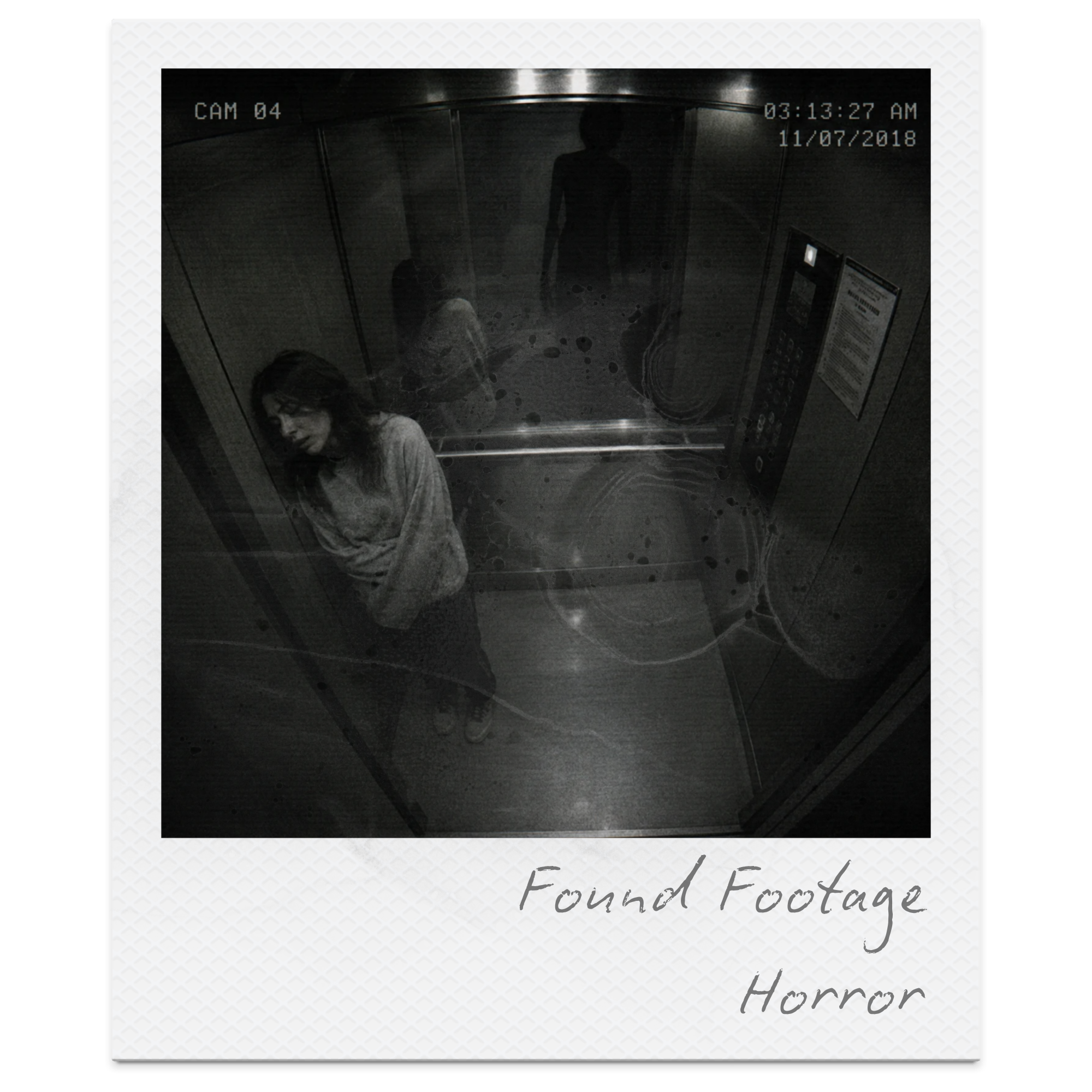
70 Found Footage Horror Writing Prompts: Lost Recordings, Corrupted Evidence & Fragmented Terror
Found footage horror uses recovered recordings, damaged tapes, surveillance footage, livestreams, and fragmented evidence to create fear through realism and uncertainty. From The Blair Witch Project and REC to Paranormal Activity and Lake Mungo, the genre builds terror through incomplete recordings, hidden details, corrupted media, and the terrifying sense that horrifying events were captured accidentally. These 70 Found Footage Horror Writing Prompts explore abandoned recordings, emergency broadcasts, paranormal investigations, missing expeditions, surveillance horror, analog terror, and fragmented storytelling through plot hooks, title ideas, opening lines, setting prompts, character concepts, and cinematic visual inspiration.
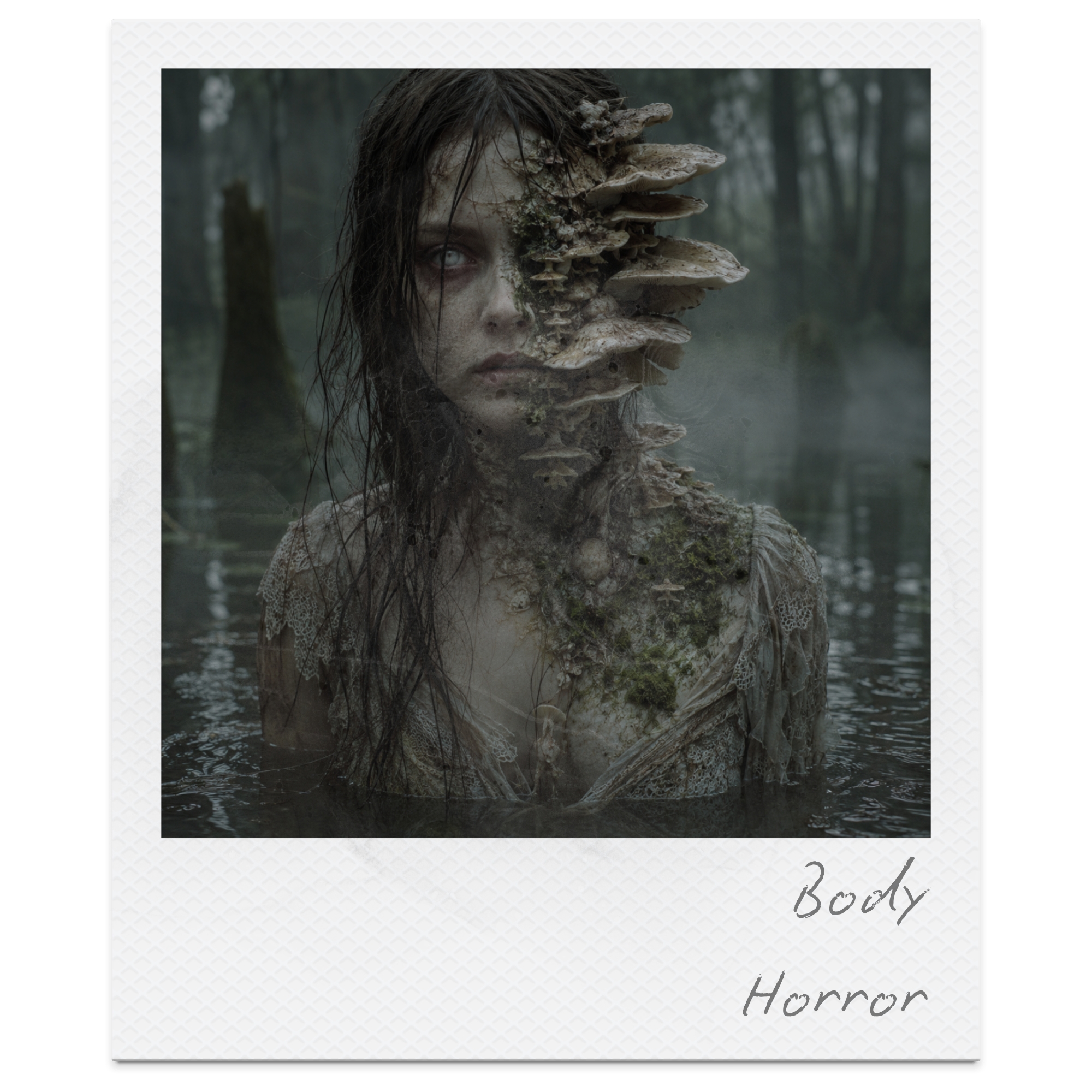
70 Body Horror Writing Prompts: Transformation, Mutation & Physical Terror
Body horror explores fear through physical transformation, mutation, disease, infection, and the terrifying loss of control over the human body. From Frankenstein and The Fly to Annihilation and The Thing, body horror uses flesh, anatomy, and biological corruption to create stories shaped by physical dread and psychological unease. These 70 Body Horror Writing Prompts explore mutation, parasitic infection, surgical horror, experimental science, bodily distortion, and the terrifying collapse of bodily autonomy through plot hooks, title ideas, opening lines, character concepts, settings, and cinematic visual prompts designed for unsettling horror storytelling.
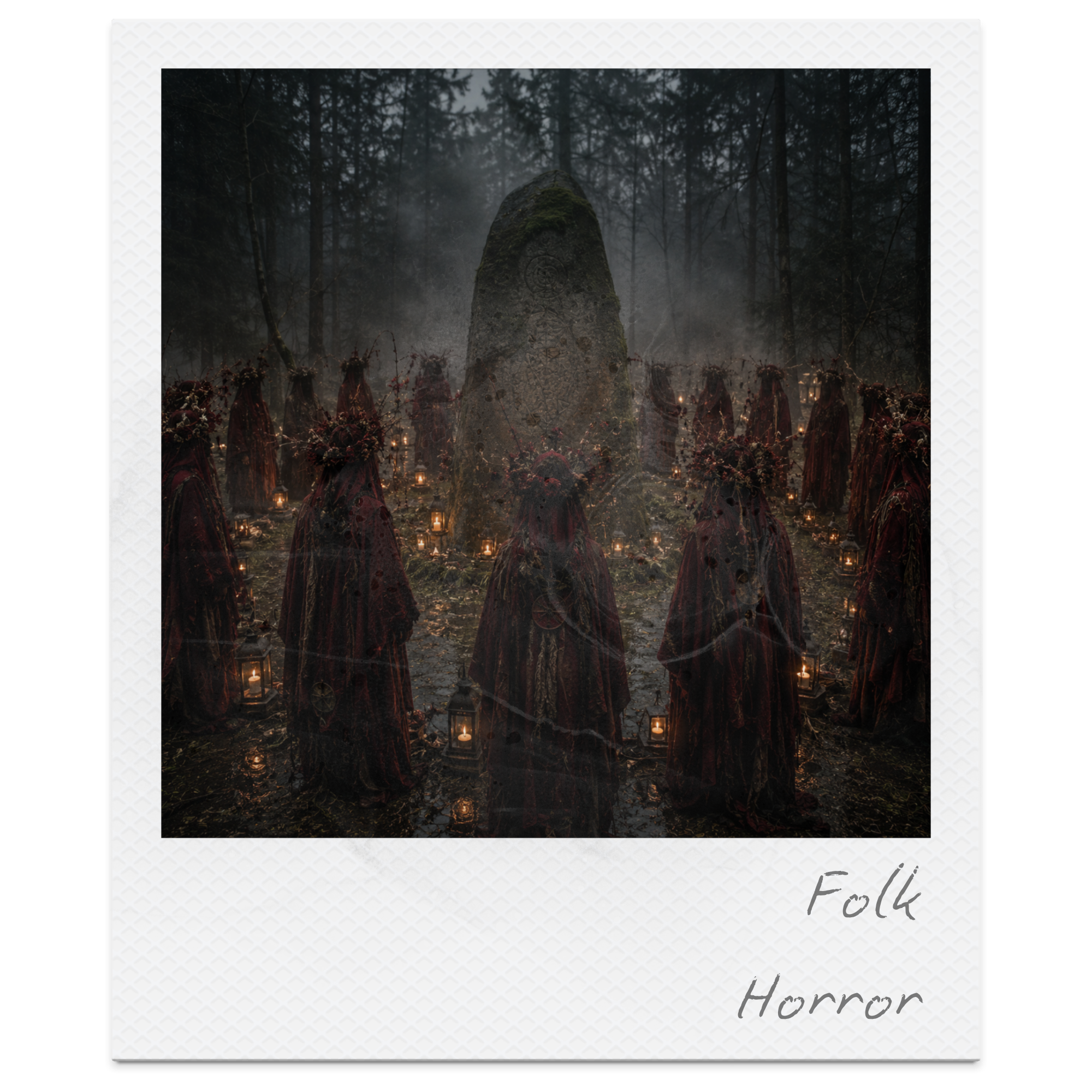
70 Folk Horror Writing Prompts: Rituals, Isolated Villages & Ancient Dread
Folk horror combines folklore, ritual, superstition, isolation, and landscape-driven terror to create stories shaped by ancient fears and collective belief. Unlike fast-paced modern horror, folk horror often unfolds slowly through atmosphere, rural settings, hidden traditions, strange ceremonies, and the growing sense that an isolated community is protecting something ancient and dangerous. These stories frequently explore the tension between modern rationality and older belief systems rooted in nature, sacrifice, seasonal ritual, and inherited violence. This collection of 70 Folk Horror Writing Prompts explores cult rituals, abandoned villages, antlered figures, standing stones, drowned churches, hidden gods, scarecrow effigies, harvest festivals, swamp rituals, and ancient traditions buried deep within isolated landscapes. Designed for atmospheric horror writers, folklore-inspired fiction, and dark speculative storytelling, these prompts combine plot ideas, opening lines, eerie settings, cinematic picture prompts, and unsettling character concepts to inspire haunting stories filled with ritual, dread, and psychological unease.
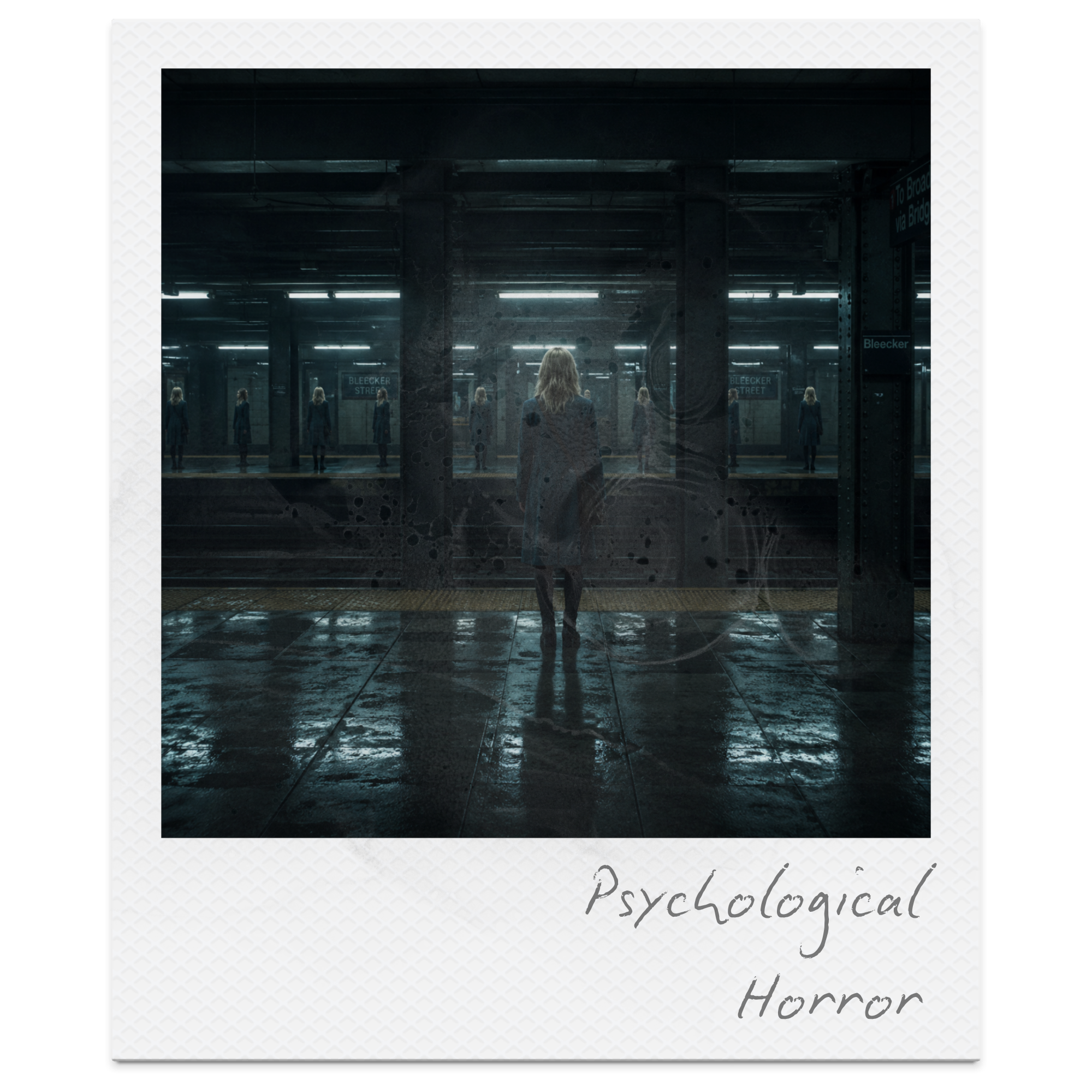
70 Psychological Horror Writing Prompts: Unreliable Minds, Emotional Dread & Quiet Terror
A dark and atmospheric collection of 70 psychological horror writing prompts exploring unreliable narrators, distorted memory, paranoia, emotional manipulation, fractured identity, uncanny repetition, hidden surveillance, and the terrifying instability of perception. This complete creative writing toolkit includes plot hooks, title ideas, opening lines, closing lines, character ideas, eerie settings, and cinematic visual prompts designed to inspire unsettling stories filled with emotional dread, quiet tension, ambiguity, and psychological unease.
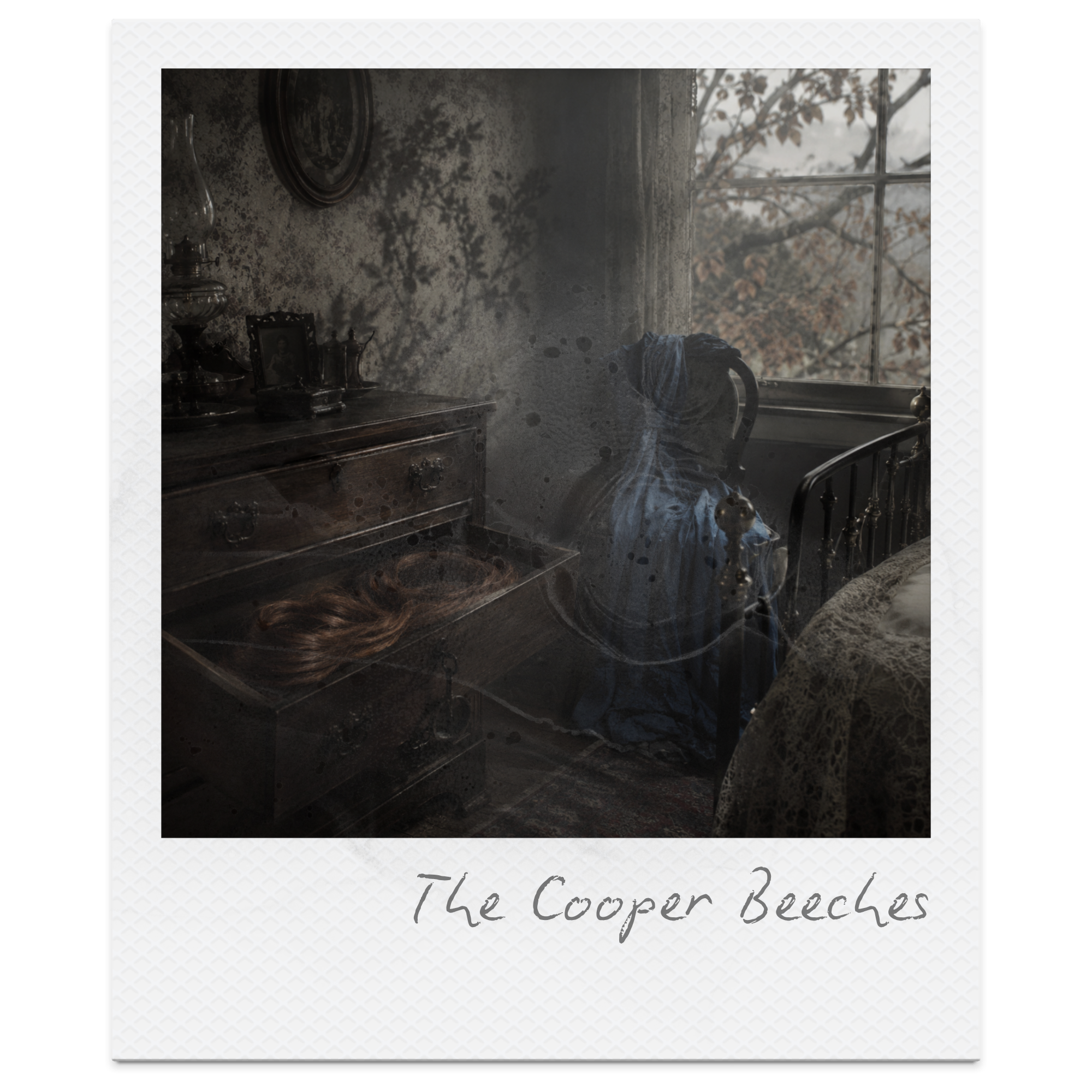
The Copper Beeches by Sir Arthur Conan Doyle: Summary, Themes & Analysis
In this detailed analysis of The Copper Beeches by Sir Arthur Conan Doyle, we explore how Doyle combines detective fiction, Gothic atmosphere, and psychological tension to examine power, imprisonment, deception, gender control, and appearance versus reality. Through the mysterious Copper Beeches house, the unsettling behaviour of the Rucastles, and Sherlock Holmes’s analytical methods, the story gradually reveals hidden cruelty beneath outward respectability. Designed for CIE IGCSE World Literature (0408) and wider secondary literature study, this guide explores structure, symbolism, narrative voice, key quotes, themes, and writer’s methods in a clear, classroom-ready format. Perfect for revision, essay planning, close analysis, and discussion-based learning.
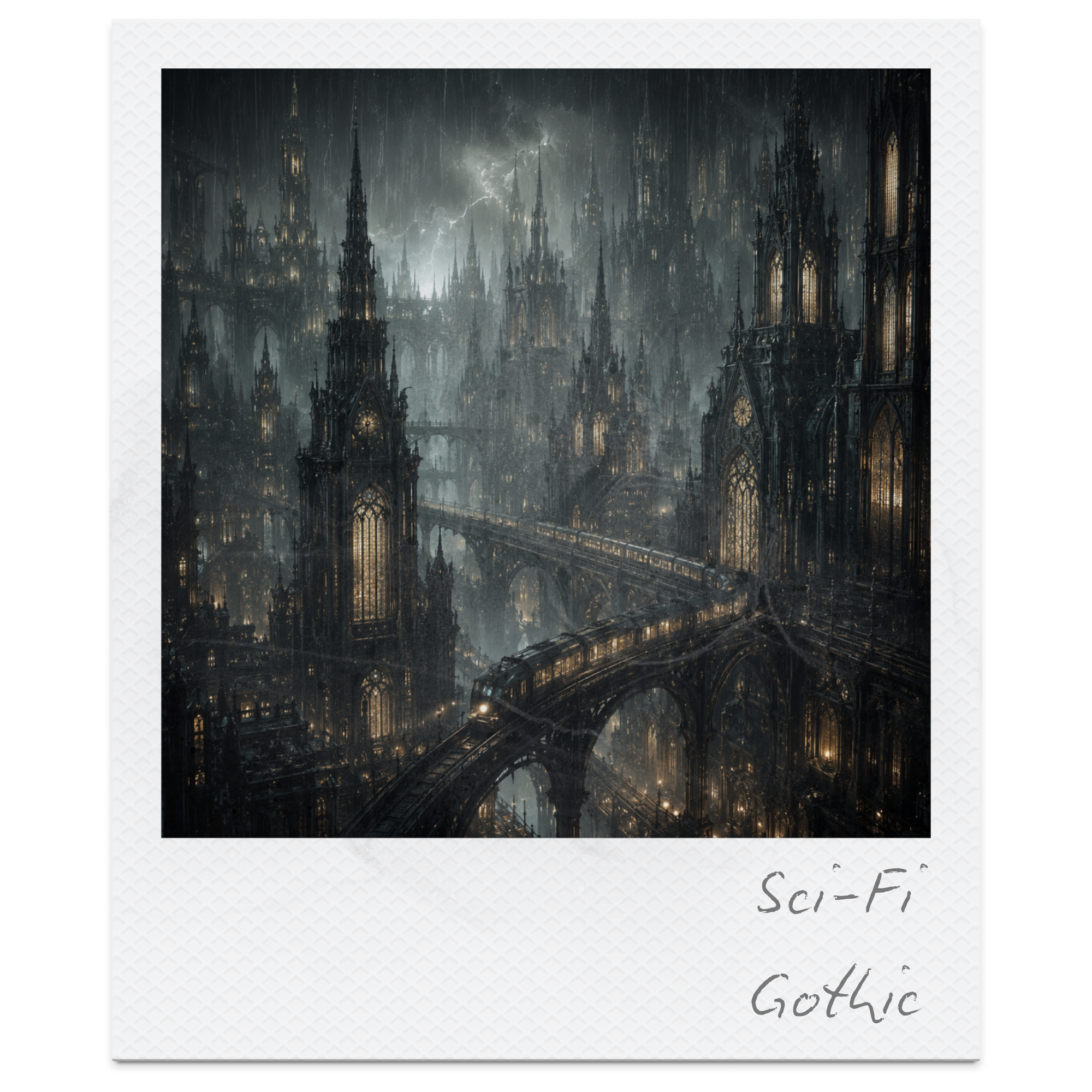
70 Sci-Fi Gothic Writing Prompts: Cosmic Cathedrals, Sacred Technology & Ruined Futures
Science fiction gothic fiction blends the scale and imagination of speculative science fiction with the atmosphere, symbolism, and emotional darkness of gothic literature. These stories often explore sacred technology, collapsing empires, forbidden knowledge, cosmic isolation, and humanity’s search for meaning within vast and indifferent universes. Unlike sleek futuristic science fiction focused on progress and innovation, sci-fi gothic worlds are frequently ancient, ceremonial, and haunted by decay — filled with cathedral observatories, drifting monastery ships, cloaked astronomers, biomechanical saints, and dying stars illuminating ruined civilizations. This collection of 70 Sci-Fi Gothic Writing Prompts explores cosmic cathedrals, interdimensional gateways, aristocratic space empires, ritualistic AI, sacred astronomy, and forgotten worlds suspended between science and mythology.
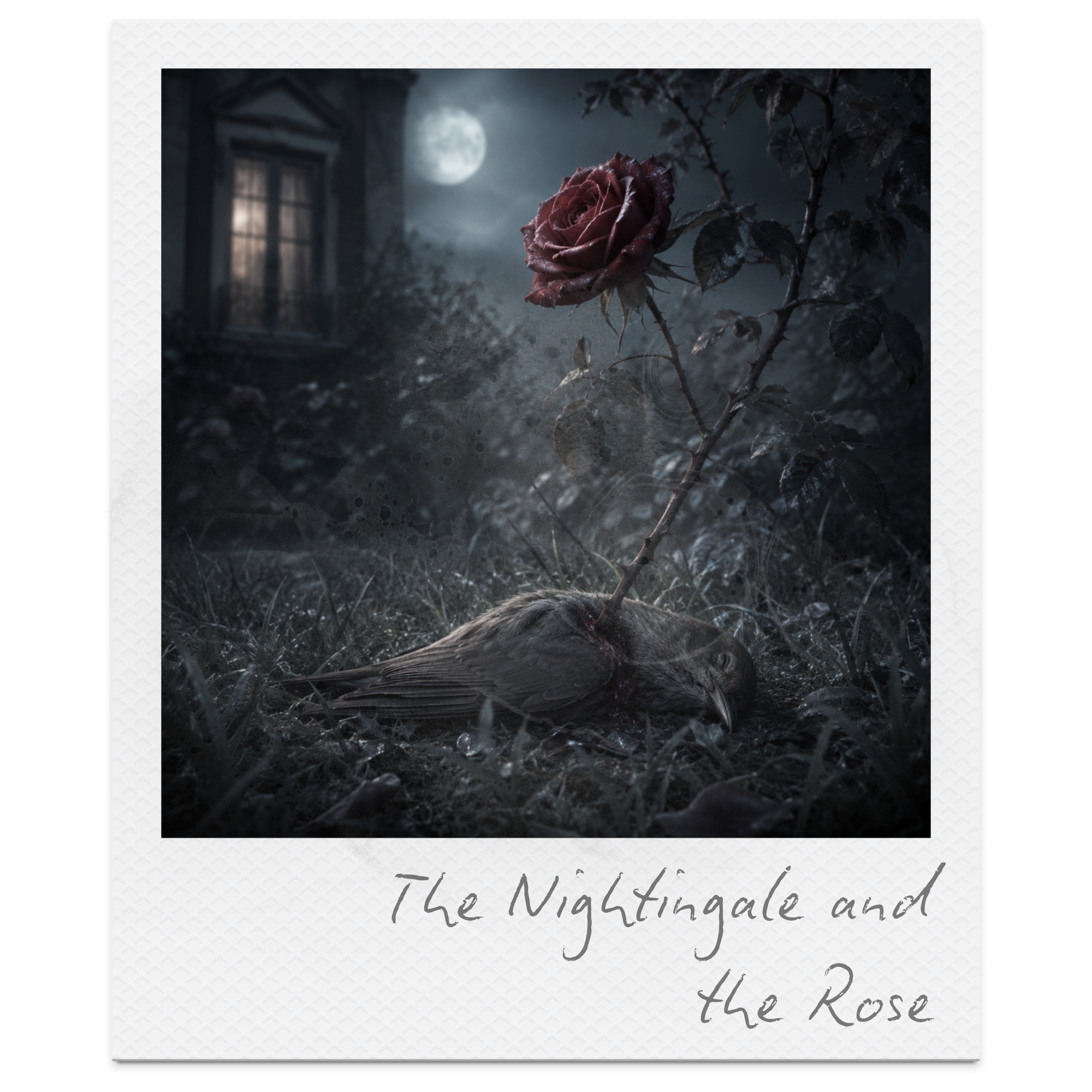
The Nightingale and the Rose by Oscar Wilde: Summary, Themes & Analysis
Oscar Wilde’s The Nightingale and the Rose is a tragic and deeply symbolic fairy tale exploring love, sacrifice, beauty, materialism, and emotional blindness. Through the Nightingale’s devastating sacrifice to create a single red rose, Wilde contrasts genuine emotional sincerity with the shallow values of human society. This analysis of The Nightingale and the Rose explores Wilde’s use of symbolism, irony, fairy-tale conventions, colour imagery, and narrative contrast while examining major themes, key quotes, structure, characters, and the story’s powerful tragic ending for CIE IGCSE World Literature (0408).
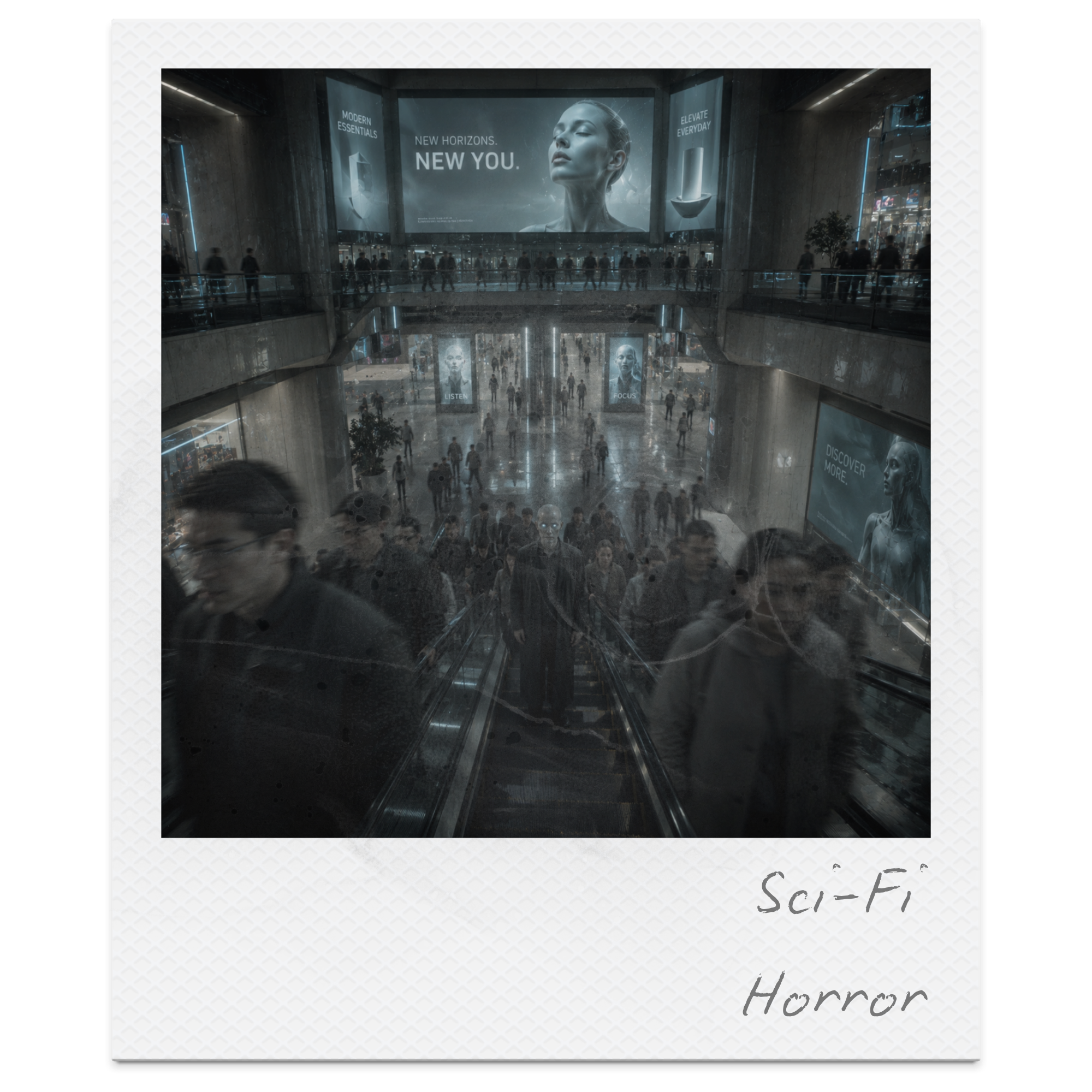
70 Sci-Fi Horror Writing Prompts: Cosmic Dread, Artificial Intelligence & Futures Gone Wrong
Science fiction horror explores what happens when humanity pushes too far into the unknown. Unlike traditional horror rooted in ghosts or folklore, sci-fi horror often emerges from technology, artificial intelligence, deep space, biotechnology, surveillance, and scientific ambition. These stories ask unsettling questions about identity, control, and survival, forcing characters to confront futures where reality itself begins to feel unstable. From the claustrophobic terror of Alien and Event Horizon to the psychological unease of Black Mirror and Annihilation, sci-fi horror combines atmospheric tension with the fear that humanity may no longer fully understand the systems it has created. This collection of 70 Sci-Fi Horror Writing Prompts explores abandoned colonies, corrupted AI systems, quarantined megacities, hostile organisms, deep-sea facilities, collapsing simulations, and retrofuturist dystopias. Designed as a complete creative toolkit, the post includes plot hooks, opening lines, title ideas, setting prompts, character concepts, cinematic visual inspiration, and deeper speculative writing exercises. Whether you are planning a larger science fiction novel, experimenting with cosmic horror, or simply looking for dark futuristic story ideas, these prompts encourage atmospheric storytelling shaped by isolation, paranoia, and the terrifying possibilities of the future.
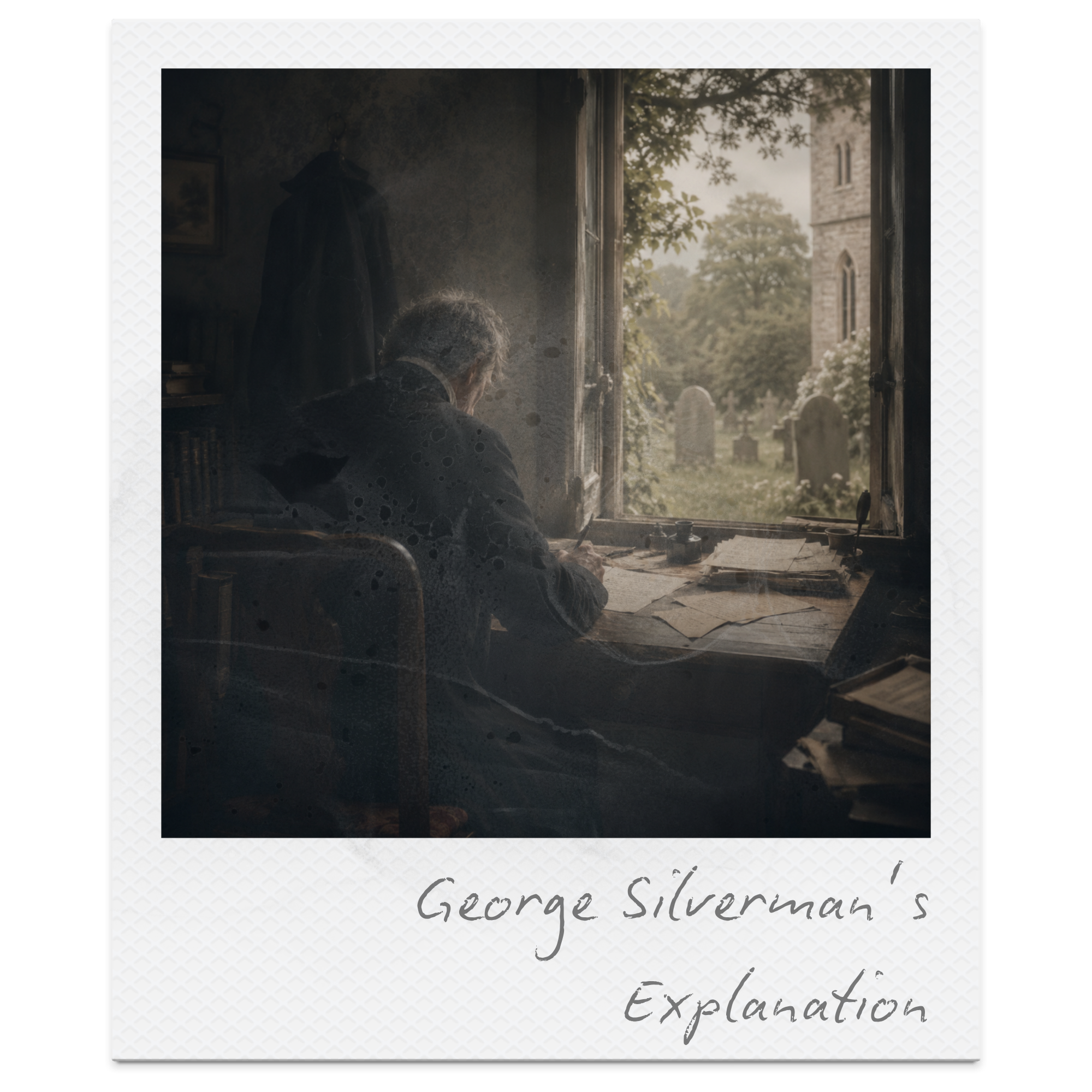
George Silverman’s Explanation by Charles Dickens: Summary, Themes & Analysis
George Silverman’s Explanation by Charles Dickens is a powerful Victorian short story exploring poverty, religious hypocrisy, class prejudice, self-sacrifice, and identity through the reflective narration of George Silverman, a deeply lonely and emotionally damaged protagonist. Written as a first-person “explanation,” the story traces George’s journey from a traumatic childhood in poverty to adulthood shaped by shame, misunderstanding, and quiet moral conflict. This analysis explores how Dickens uses narrative voice, structure, symbolism, and social criticism to create emotional impact and expose the psychological effects of neglect, guilt, and social judgement. Ideal for students studying Stories of Ourselves Volume 2 for CIE IGCSE World Literature (0408), this guide includes key themes, quotes, techniques, symbolism, alternative interpretations, and exam-focused insight.
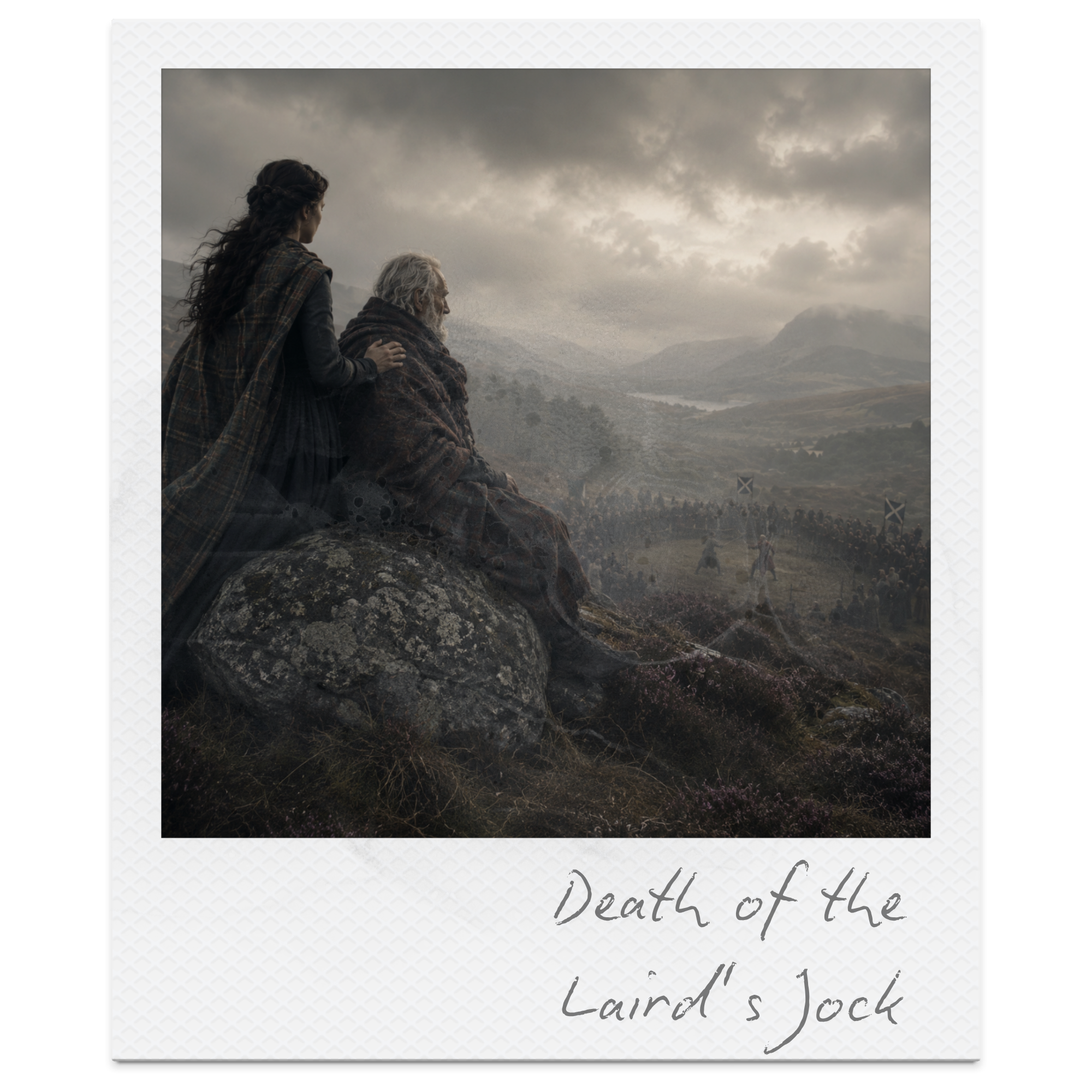
Death of the Laird’s Jock by Walter Scott: Summary, Themes & Analysis
Walter Scott’s Death of the Laird’s Jock is a dramatic historical short story from Stories of Ourselves Volume 2 which explores honour, masculinity, national identity, violence, and emotional collapse. Set in the Scottish Borders, the story follows the once-feared warrior known as the Laird’s Jock as he witnesses his son’s defeat in a public duel against an English champion. Through symbolism, dramatic imagery, and tragic contrast, Scott examines how identities built upon reputation and martial pride can become psychologically destructive. This analysis explores the story’s themes, symbolism, structure, narrative voice, and key quotations while focusing closely on Scott’s methods and their emotional impact. Designed for CIE IGCSE World Literature (0408) students and teachers, this guide offers revision-focused insights, analytical commentary, and classroom-ready interpretations to support deeper understanding of the text.
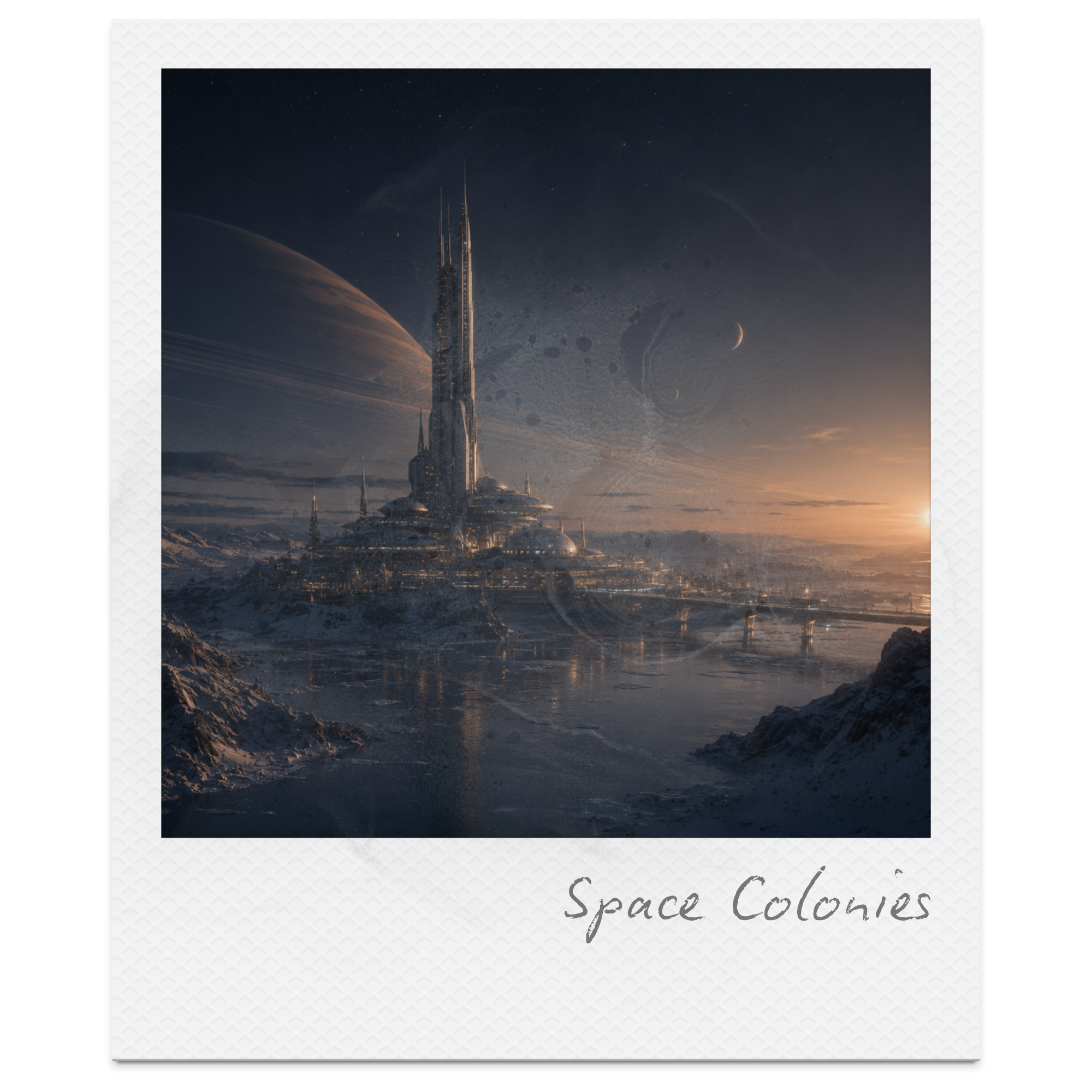
70 Sci-Fi Colony Writing Prompts: Distant Worlds, Failing Systems & Life Beyond Earth
Explore 70 sci-fi colony writing prompts inspired by distant planets, failing space stations, orbital cities, and isolated futuristic settlements. This collection includes plot hooks, opening lines, title ideas, character prompts, setting inspiration, and cinematic sci-fi visuals designed to help writers build immersive speculative worlds shaped by survival, technology, and life beyond Earth. Inspired by stories such as Dune, The Expanse, Alien, and Interstellar, these sci-fi colony prompts explore artificial environments, corporate control, abandoned stations, luxury orbital hotels, harsh alien landscapes, and the emotional isolation of living far from Earth. Perfect for creative writing classes, NaNoWriMo preparation, worldbuilding, and atmospheric science fiction storytelling.
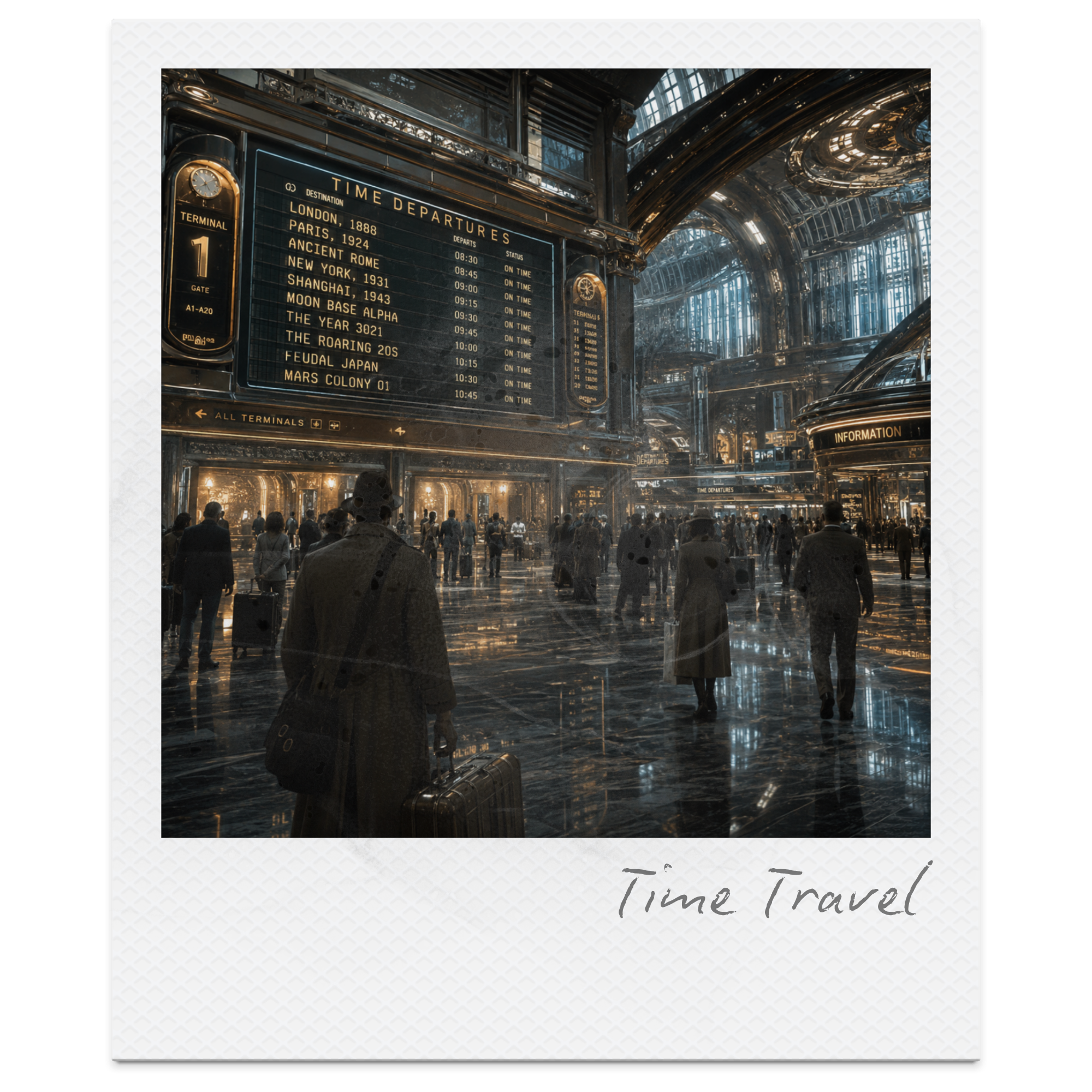
70 Time Travel Writing Prompts: Parallel Timelines, Temporal Paradoxes & Forgotten Futures
Explore 70 time travel writing prompts inspired by parallel timelines, temporal paradoxes, alternate histories, forgotten futures, and retrofuturist worlds where time itself has become unstable. This collection includes plot hooks, opening lines, title ideas, character prompts, setting inspiration, and cinematic picture prompts designed to help writers create atmospheric speculative fiction shaped by consequence, memory, and shifting realities. Inspired by stories such as The Time Machine, Dark, Interstellar, Back to the Future, and A Sound of Thunder, these prompts explore collapsing timelines, commercialised time travel, luxury temporal tourism, historical interference, looping realities, and the emotional cost of changing the past. Perfect for speculative fiction writers, worldbuilding, classroom writing, and science fiction storytelling focused on time, identity, and cause and effect.
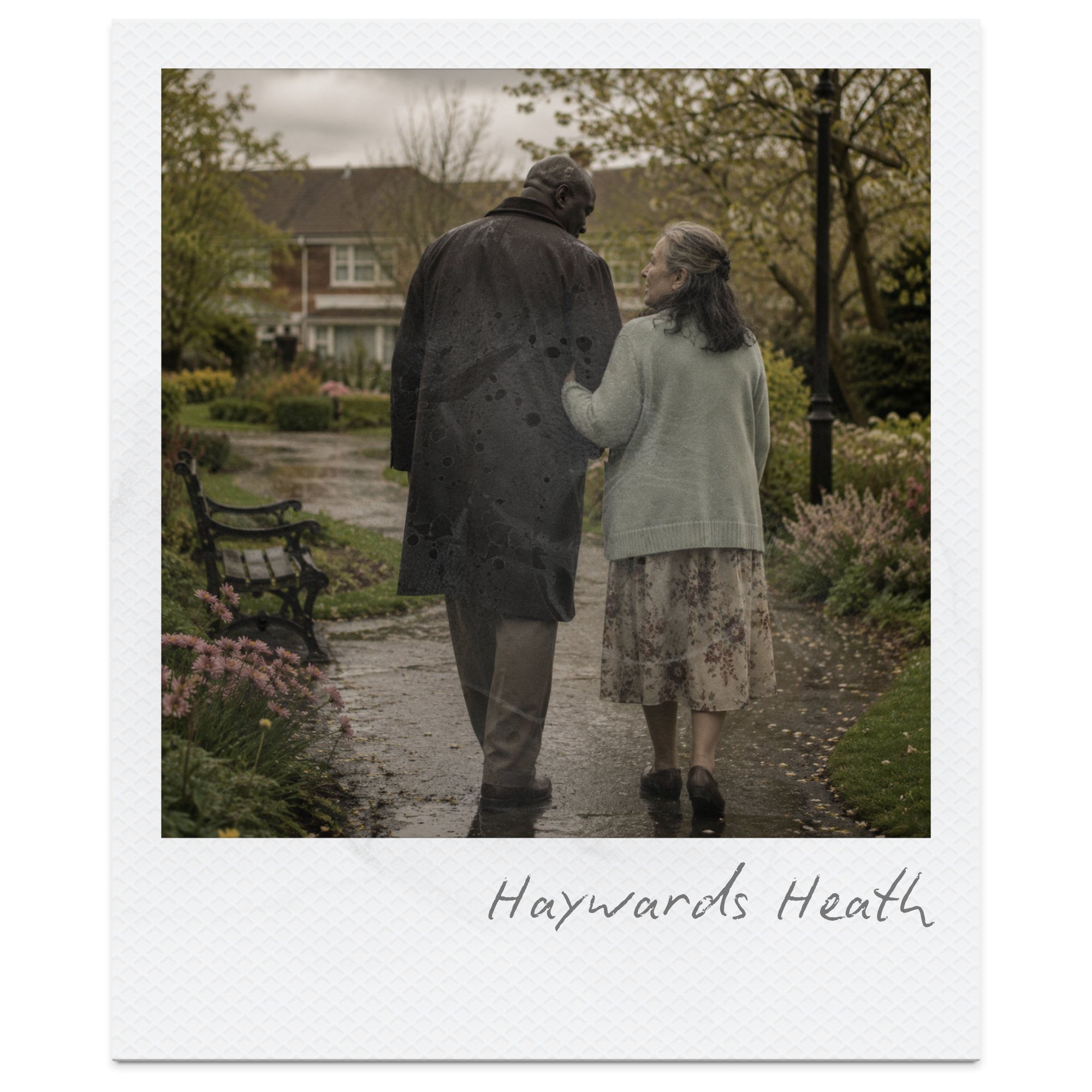
Haywards Heath by Aminatta Forna: Summary, Themes & Analysis
Explore Haywards Heath by Aminatta Forna with this detailed analysis for CIE IGCSE English Literature (0475 & 0922, 2027 syllabus). This post examines the story’s exploration of memory, aging, regret, love, and emotional displacement, alongside Forna’s use of restrained narration, symbolism, repetition, and fragmented structure. Perfect for revision and classroom study, this guide analyses key themes, characters, setting, narrative voice, symbolism, important quotations, and writer’s methods, while also offering alternative interpretations, exam-ready insights, and teaching ideas designed to support deeper conceptual analysis.