Notes from the Inkpot
Writing, teaching, creating - one ink-stained idea at a time.


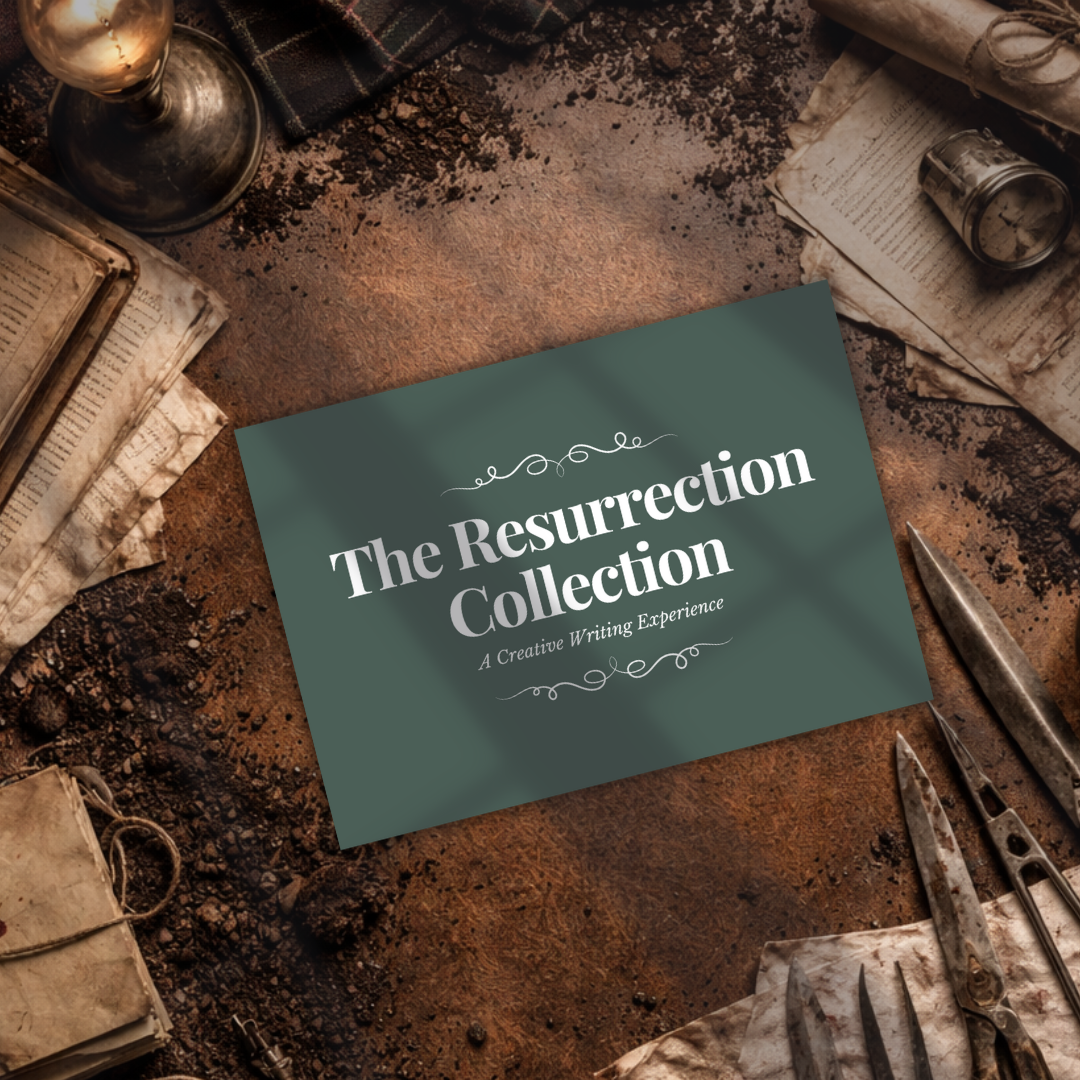
The Resurrection Collection: Writing Into the Dark History of Body Snatching
Edinburgh, 1828. Anatomy lectures are full. Graves are not staying closed. As medical knowledge advances, a quiet trade emerges in the shadows of churchyards and lecture rooms. Bodies are exhumed, sold, recorded, and forgotten — while institutions continue as normal. The Resurrection Collection is a document-led creative writing experience inspired by the real history of body snatching, anatomy, and institutional silence. Through fragmented records, personal writings, ledgers, adverts, and modern historical commentary, writers and students are invited to investigate what happened — and what was deliberately left unrecorded. This isn’t a single story or a guided prompt. It’s an archive. The documents don’t agree, some voices are missing, and the truth depends on what you choose to trust. Every reader uncovers a different version of events — shaped by inference, interpretation, and the uncomfortable spaces between evidence.
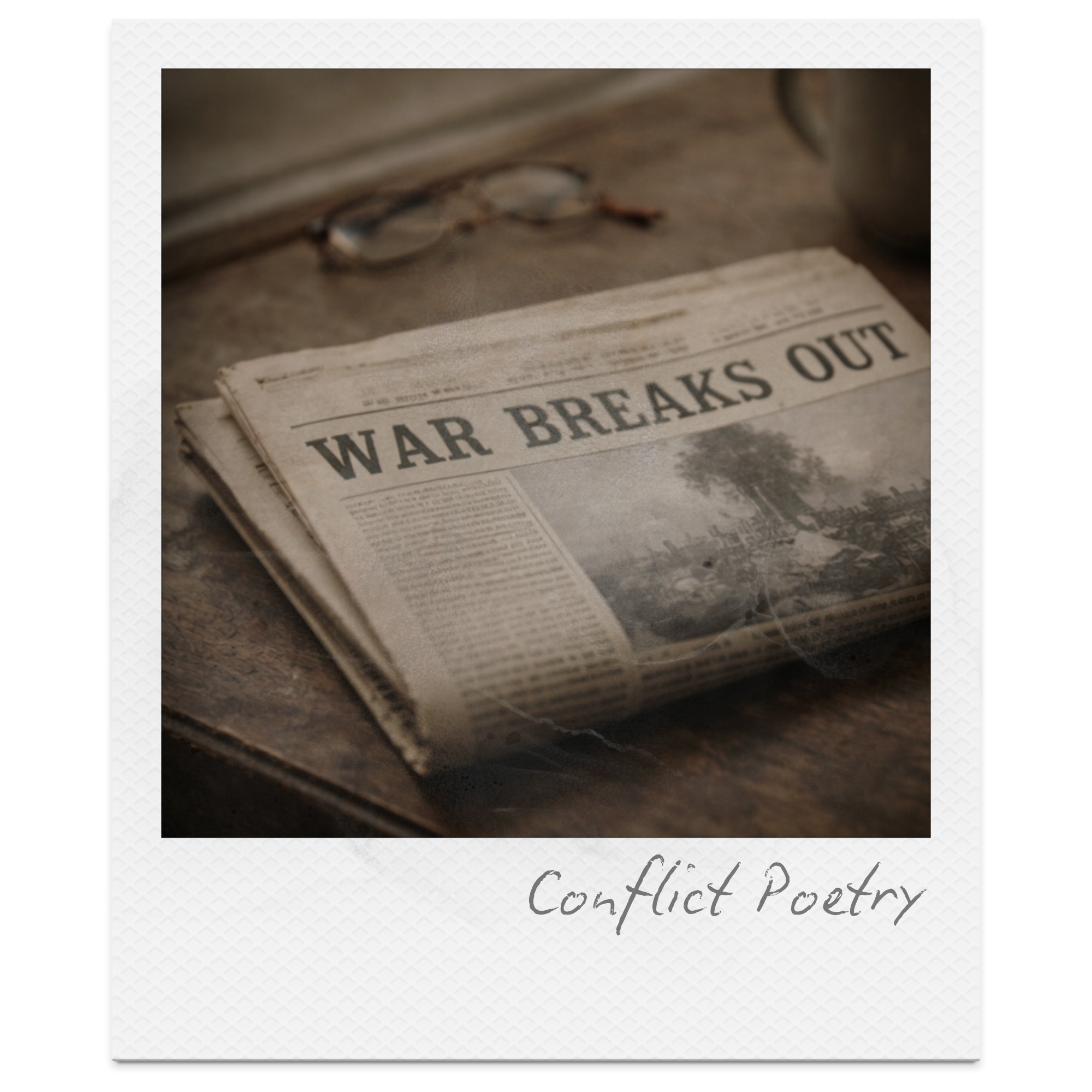
20 Conflict Poems to Teach: A Timeline from WW1 to Modern Warfare
Looking for conflict poems to teach? This teacher-friendly guide brings together 20 powerful poems about war and conflict, spanning World War One, Vietnam, modern warfare, and media-driven violence. Each poem includes a brief overview and practical classroom ideas, making it easy to dip in and out when planning lessons on ethics, trauma, protest, responsibility, and witnessing conflict from afar.
Teaching The Lottery by Shirley Jackson Without Context (And Why It Works)
When teaching The Lottery by Shirley Jackson, I deliberately avoid giving students historical context before the first reading. Instead, I let them experience the story as it was designed to be read: ordinary, unsettling, and deeply uncomfortable. In this post, I explain why teaching The Lottery without context leads to stronger discussion, deeper understanding, and more meaningful student responses — and how delaying explanation allows the text itself to do the work.
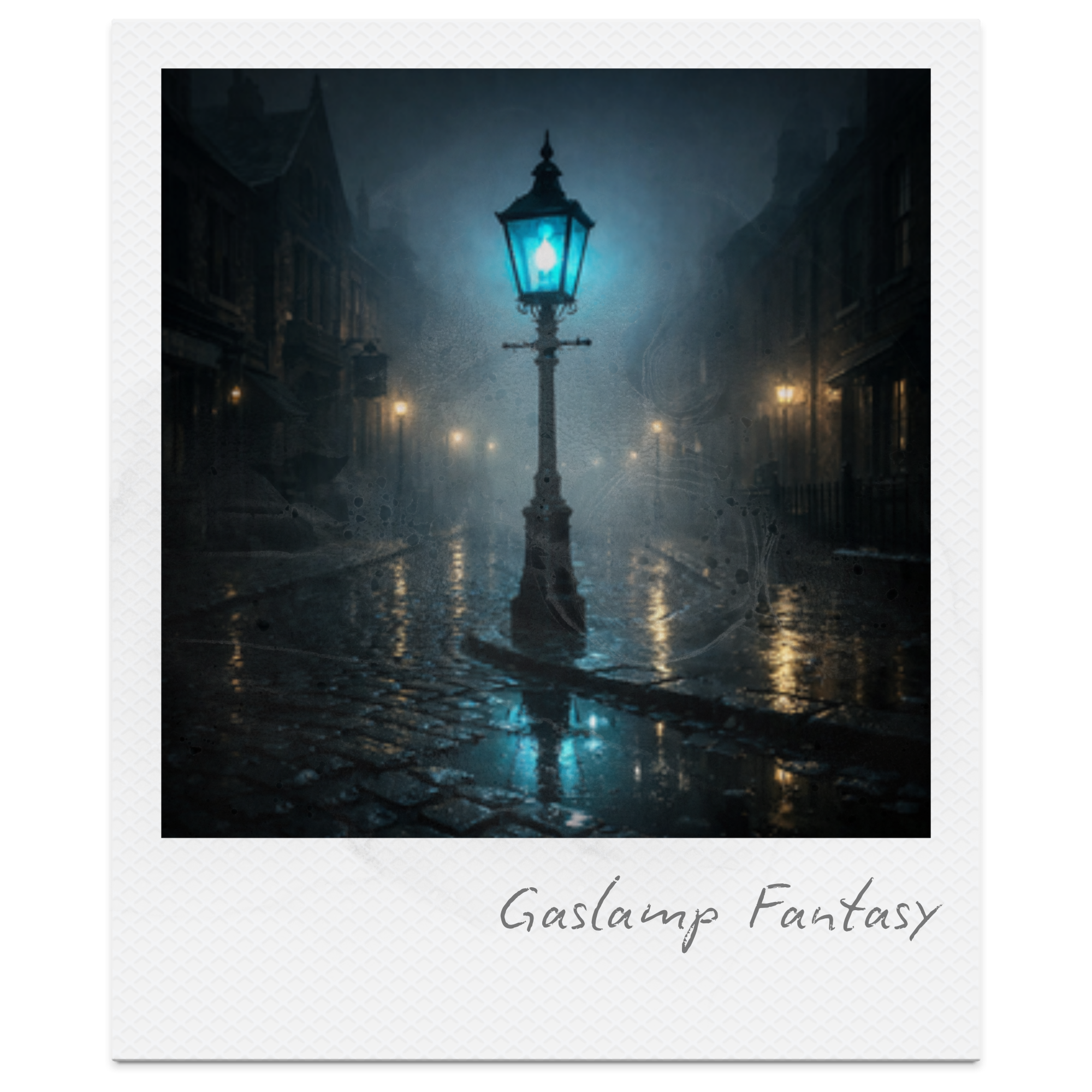
70 Gaslamp Fantasy Writing Prompts for Teens: Story Starters, Characters, Settings & Visual Ideas
Explore 70 gaslamp fantasy writing prompts for teens inspired by fog-filled streets, gaslight, secret societies, and quiet supernatural unease. This collection blends historical fantasy, gothic atmosphere, and character-driven storytelling, offering plot hooks, opening and closing lines, character ideas, settings, and cinematic picture prompts. Ideal for creative writing lessons, quick writes, or longer YA projects rooted in mystery, restraint, and the uncanny.
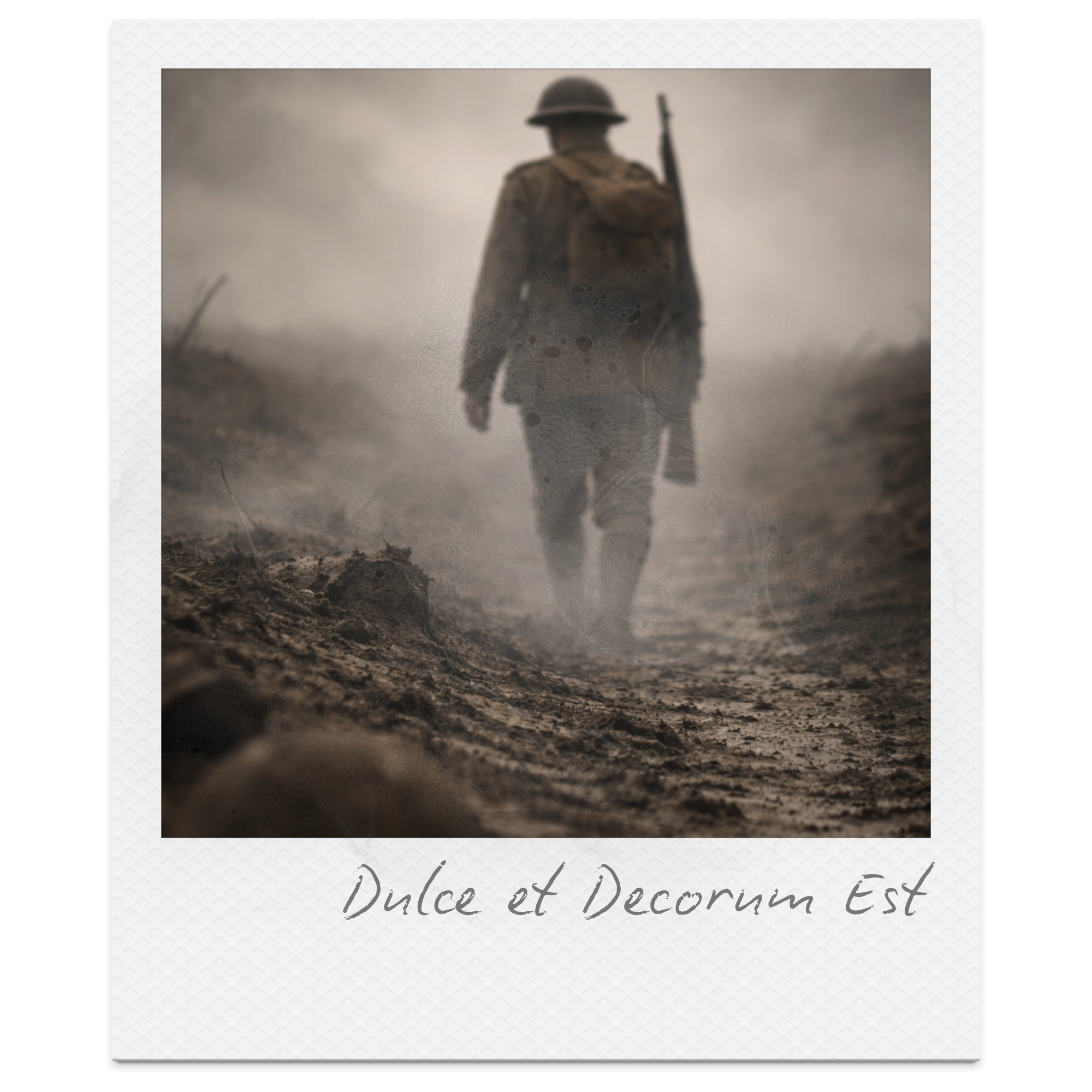
How and Why to Teach Dulce et Decorum Est: Context, Meaning, and Classroom Approach
Dulce et Decorum Est is one of the most widely taught and frequently misunderstood poems of the First World War. This in-depth guide explores how and why to teach Wilfred Owen’s war poem through historical context, changing attitudes to war, and thoughtful classroom practice. From first encounters with the poem to assessment and common teaching pitfalls, this post offers a clear, purposeful approach to teaching Dulce et Decorum Est as more than an exam text — but as a powerful challenge to the language used to glorify war.
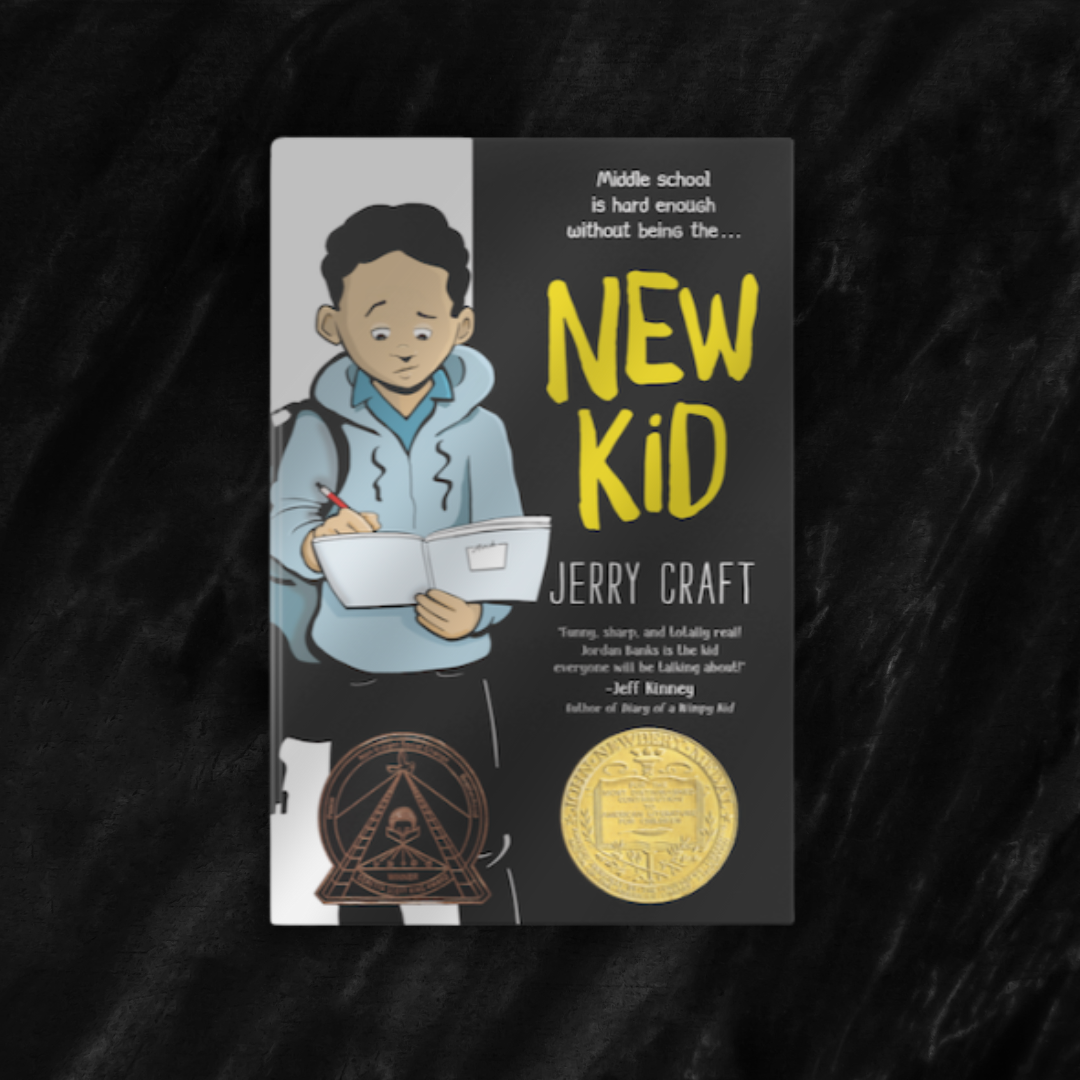
10 Graphic Novels for Reluctant Readers (That Actually Work in the Classroom)
Graphic novels are brilliant for reluctant readers because they reduce cognitive overload without reducing complexity. Here are 10 classroom-friendly titles, why they work, and how to use them — plus an affiliate note and a link back to “10 Personal Reading Rules We Should Let Students Break.”
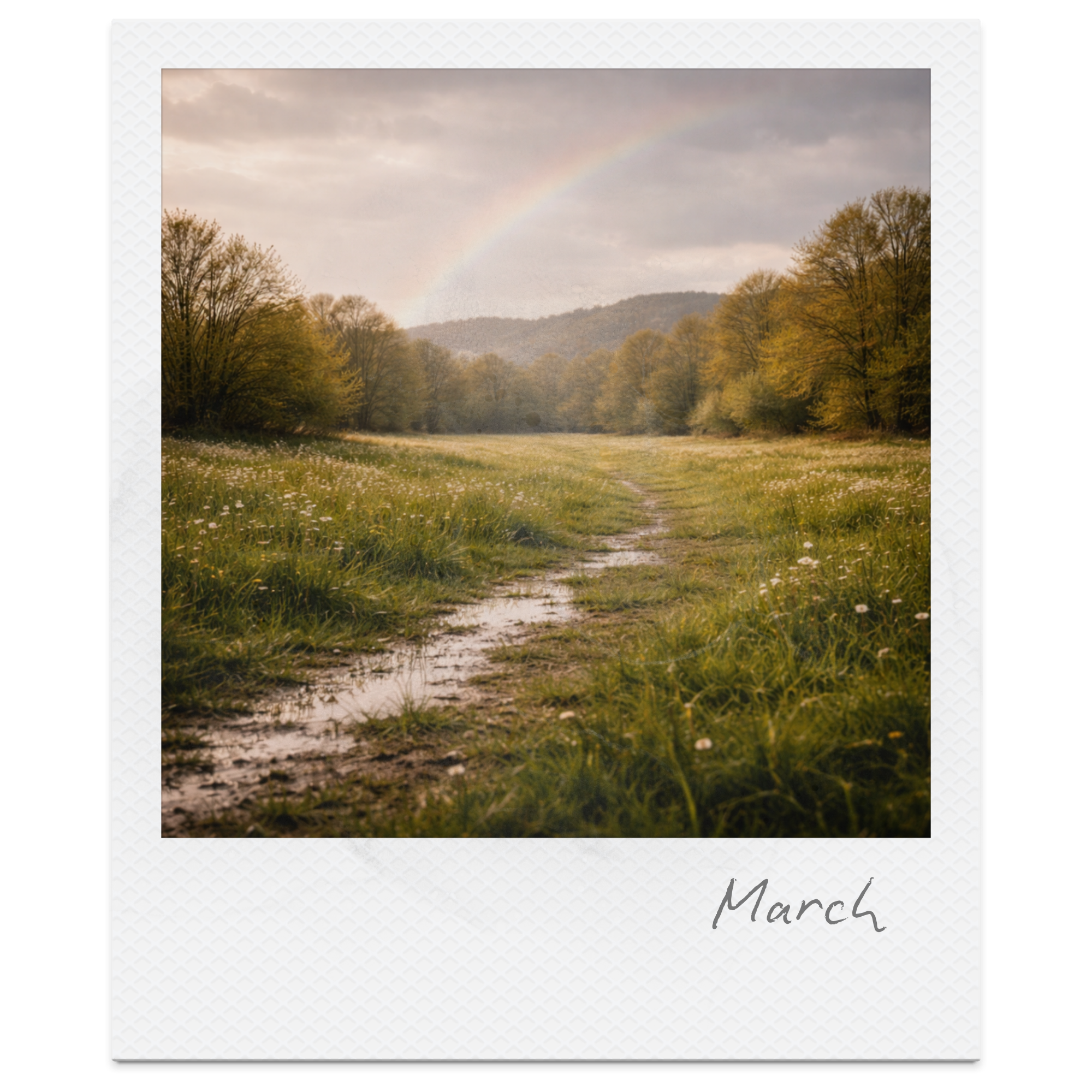
70 March Writing Prompts for Teens: Monthly Story Starters, Characters, Settings & Visual Ideas
March is a month of transition — caught between winter’s hold and the promise of spring. In schools, it often marks a shift in pace and pressure, making it a powerful time for reflective and creative writing. This collection of 70 March writing prompts for teens is designed to help students explore uncertainty, anticipation, and change through structured yet flexible storytelling. Inside, you’ll find March creative writing prompts including plot hooks, title ideas, opening and closing lines, character concepts, settings, and visual picture prompts. These prompts work especially well for English lessons, spring-term writing units, exam-year reflection, creative writing clubs, and independent classroom writing throughout March. Whether you’re looking for monthly writing prompts for teens or seasonal classroom inspiration that supports voice, atmosphere, and thoughtful development, this March collection helps students build creative momentum without rushing toward neat conclusions.
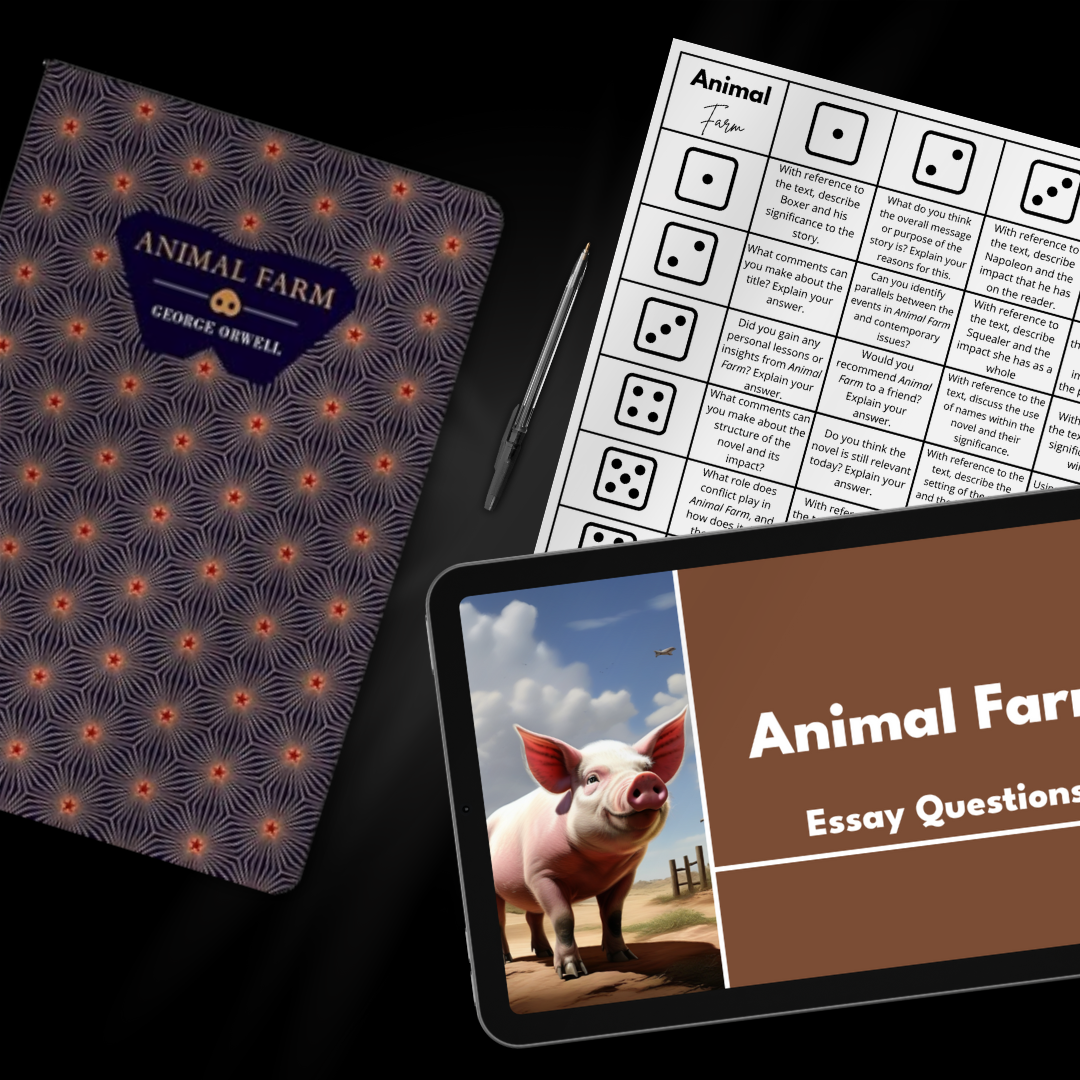
How to Teach Animal Farm: Practical Strategies, Discussion Ideas, and Activities That Actually Work
Teaching Animal Farm works best when you slow students down and focus on how Orwell builds power through language, propaganda, and responsibility. In this post, I break down how to teach it without drowning students in context, share activities that actually work in the classroom, and include a free set of Chapter 1 creative writing prompts you can use straight away.
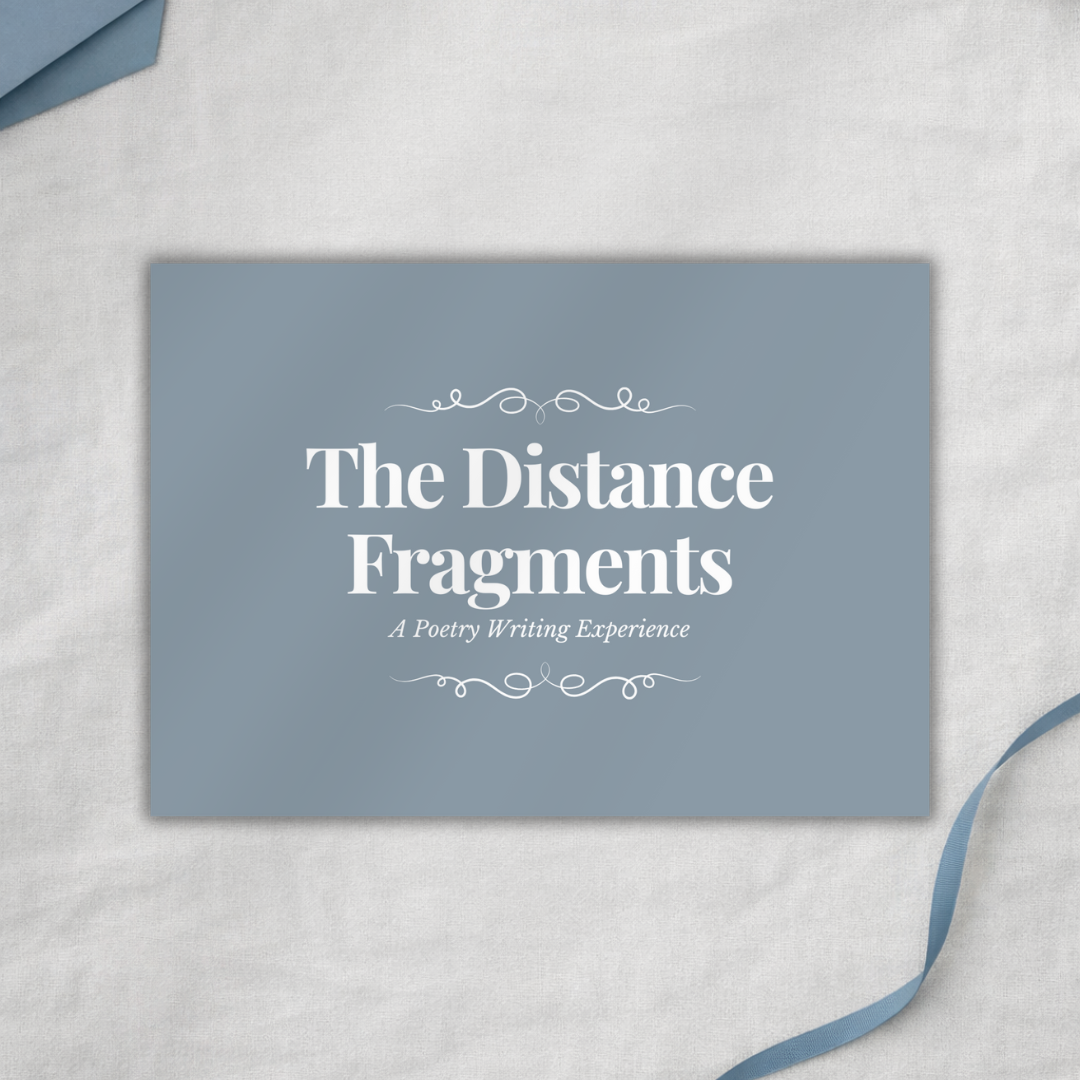
The Distance Fragments: A Free Poetry Writing Experience for Blackout & Erasure Poetry
The Distance Fragments is a free poetry writing experience designed for slower, more reflective writing. Built around blackout poetry, erasure, images, and fragment-led prompts, the collection invites writers to work through removal rather than expansion — noticing what remains once language is pared back. This resource acts as a taster for a new series of fragment-led poetry prompt collections, offering open-ended materials that can be used independently, combined, or revisited over time. Ideal for writers, teachers, and classrooms exploring blackout poetry or contemplative creative writing, The Distance Fragments prioritises space, restraint, and return over speed or completion.
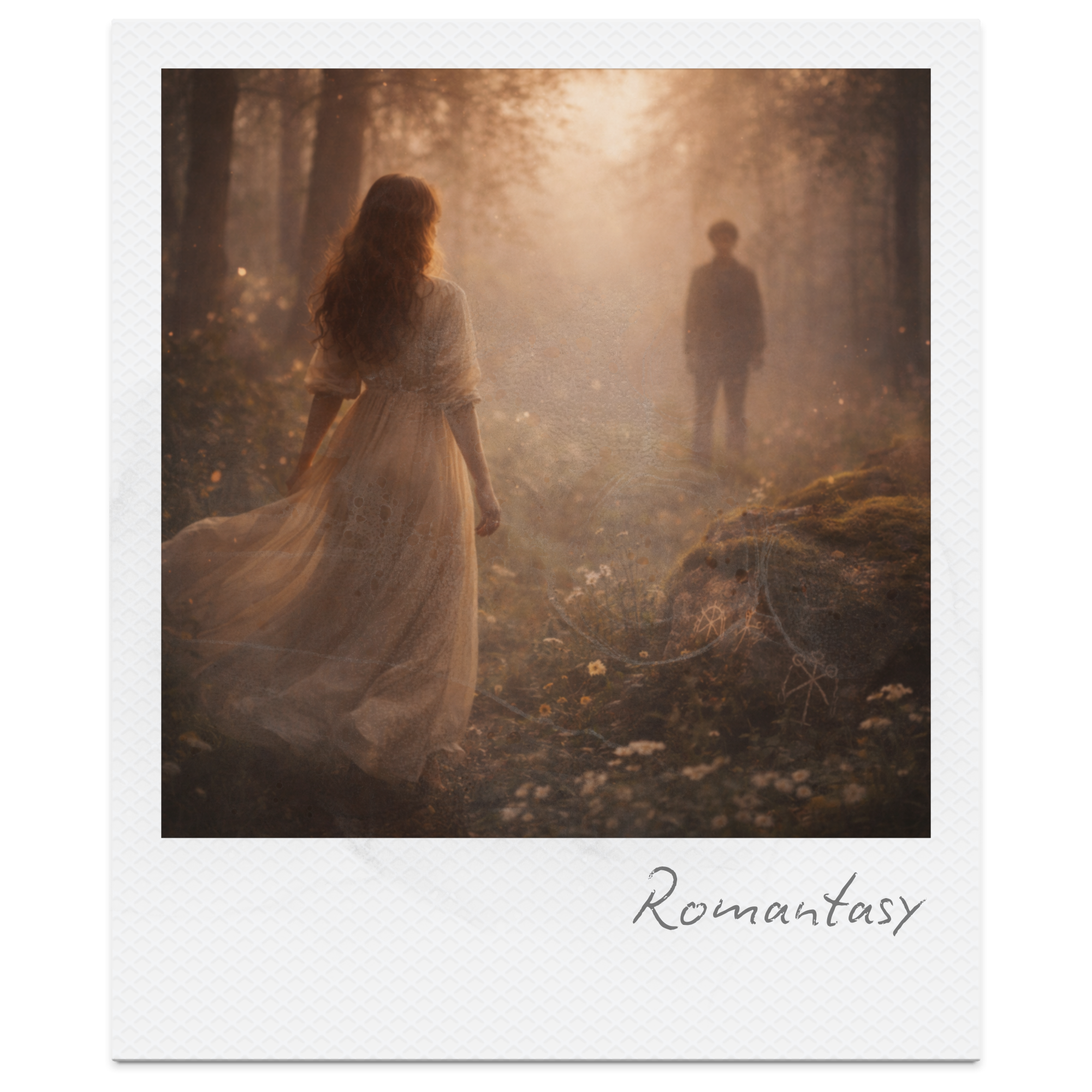
70 Romantasy Writing Prompts for Teens: Story Starters, Characters, Settings & Visual Ideas
Romantasy writing prompts blend fantasy worldbuilding with romantic tension, creating stories where magic, power, and emotion collide. This curated collection of 70 romantasy writing prompts for teens explores enemies-to-lovers dynamics, political intrigue, forbidden bonds, and love shaped by consequence rather than destiny. Featuring plot hooks, character concepts, opening and closing lines, immersive settings, and cinematic picture prompts, this post is designed for teachers and teen writers looking to develop high-stakes romantasy stories with depth, atmosphere, and emotional impact.

My Favourite Texts to Teach in March (Novels, Plays, Short Stories & Poems)
March is a turning point in the school year. Students are no longer settling in, but they’re not quite finished either — and that shift matters. This is the moment when texts about voice, power, and resistance begin to land differently. From novels and plays to short stories and poems, these are the texts I return to every March because they meet students exactly where they are: questioning, restless, and ready to think more deeply.
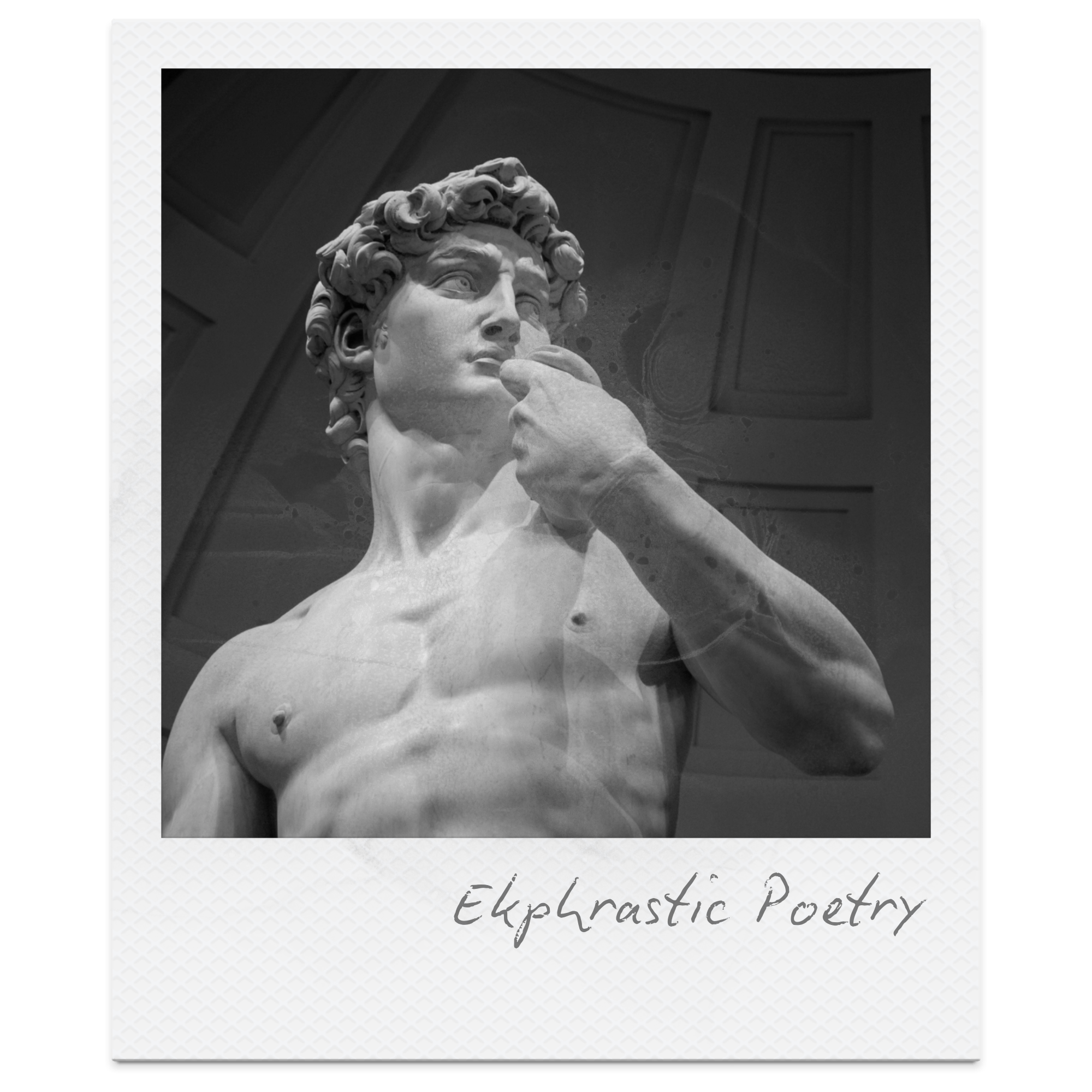
Ekphrastic Writing for the Classroom: Art, Photo & Science Prompts for English Teachers
This comprehensive guide to ekphrastic writing in the classroom brings together image-based writing prompts using art, photography, sculpture, science imagery, and AI-generated visuals. Designed for secondary English teachers, the post includes practical ways to use ekphrasis across poetry, prose, monologue, and creative nonfiction, alongside adaptable classroom activities and cross-curricular ideas. Whether you’re planning a poetry unit, setting low-prep bell-ringers, or encouraging close observation and voice-driven writing, these ekphrastic writing prompts for students support inference, imagery, and creative confidence. With clear guidance, differentiated approaches, and links to ongoing writing resources, this post is built for real classroom use.
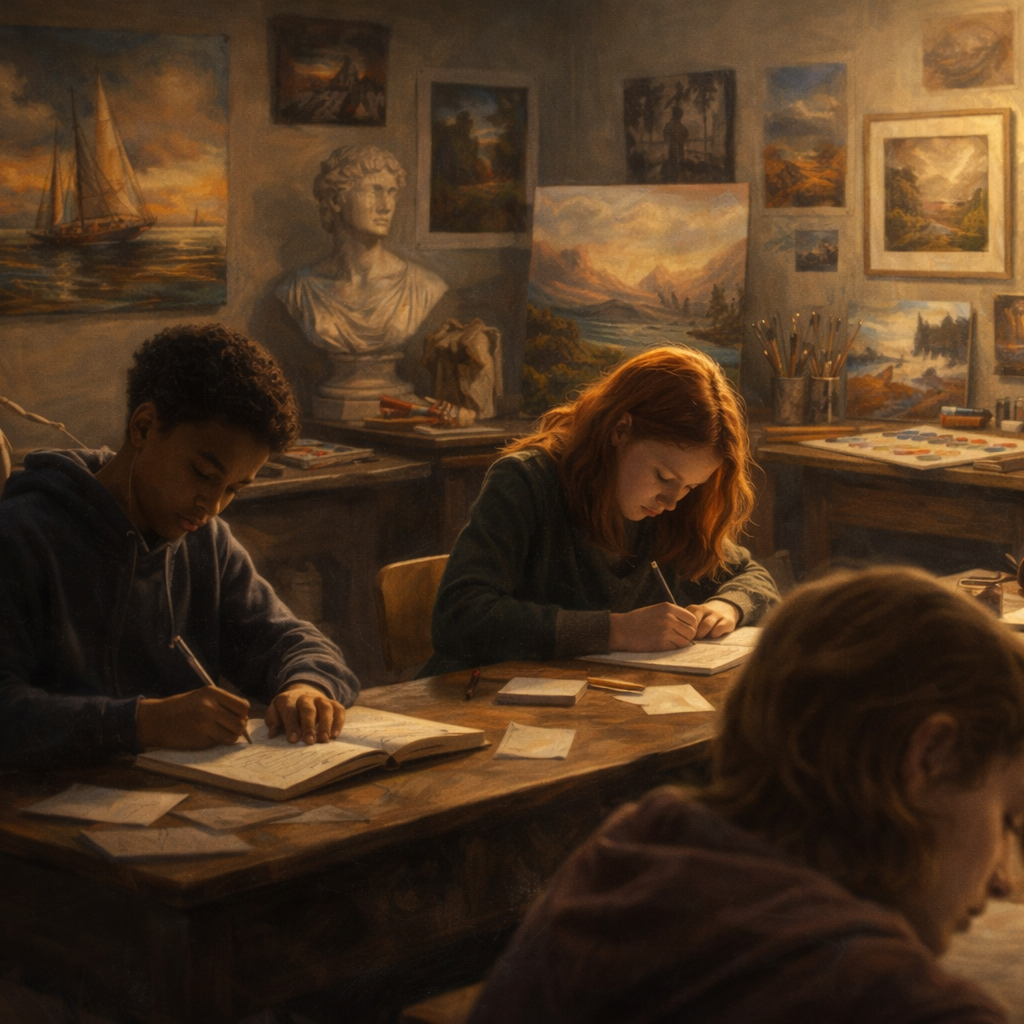
The Ultimate Guide to Ekphrasis (for Secondary Classrooms)
Bring art and writing together with this in-depth guide to ekphrasis — from Homer to high school. Includes examples of famous and classroom-ready poems, student-friendly activities for poetry and prose, and creative ideas for cross-curricular work with Art. Bookmarkable and ready to use.

70 Valentine’s Day Writing Prompts for Teens: Story Starters, Characters, Settings & Visual Ideas
Valentine’s Day isn’t just about romance. These 70 teen-friendly writing prompts explore friendships, awkward crushes, heartbreak, comedy, identity, and the messy reality of February 14th. With plot hooks, character ideas, titles, openings, closings, settings, and picture prompts, this post is perfect for classrooms, clubs, and young writers craving fresh ideas beyond clichés.
What Are Digital Writing Boxes? (And Why Teachers & Writers Are Quietly Obsessed)
Digital writing boxes are downloadable sets of fictional relics and documents that spark creative writing through curiosity, investigation, and worldbuilding. In this post, I break down what they are, why they work for both teachers and writers, and how The Soot & Shadows Series blends historical mystery, folklore, and atmospheric relics into a flexible creative writing tool. If you’re tired of prompts that say “imagine a door…,” you’ll love this.
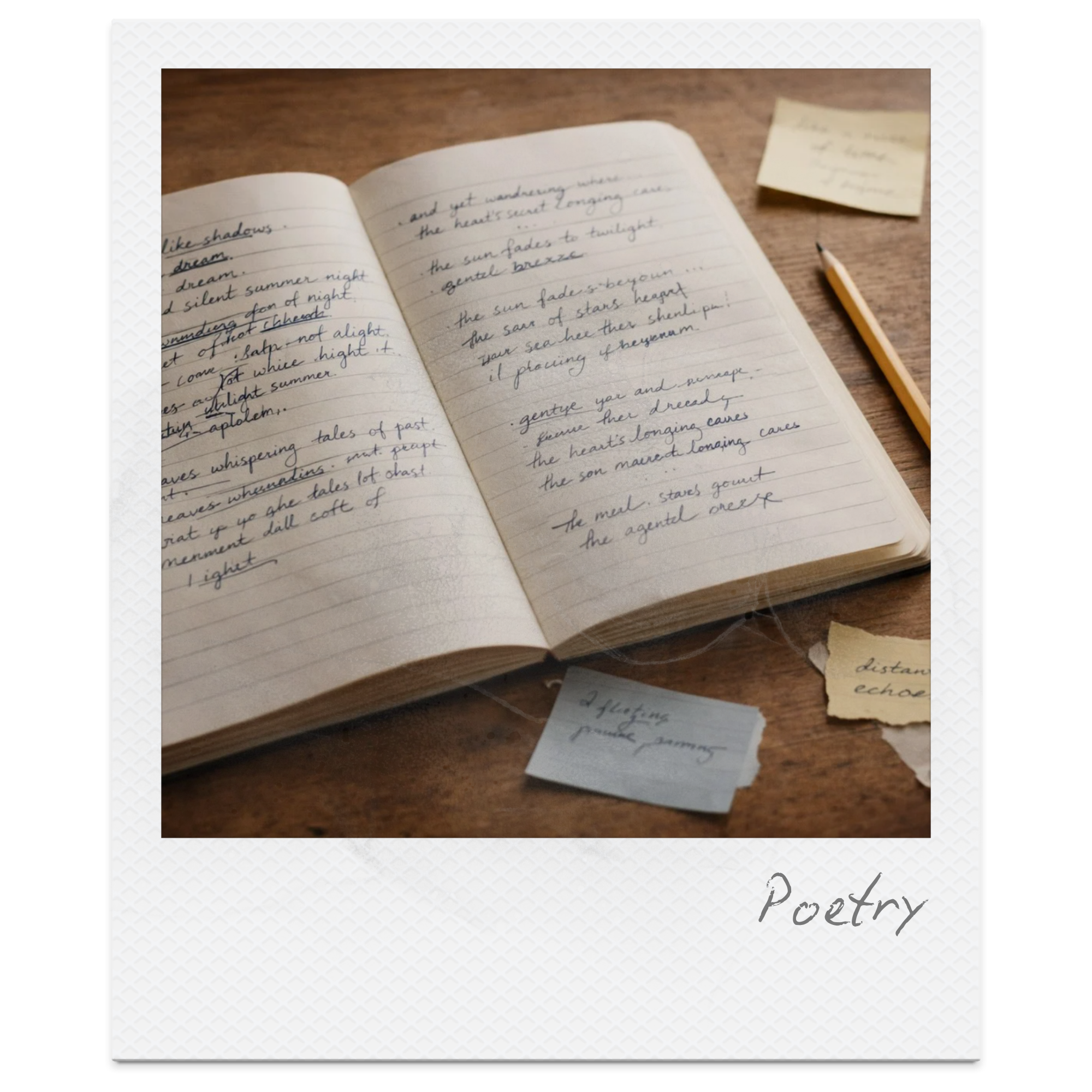
100 Poetry Prompts for the Classroom: Teen-Friendly and Teacher-Tested
Explore 100 poetry writing prompts designed for teens, classrooms, and creative practice. This collection includes imagery-driven prompts, identity and memory poems, surreal writing ideas, social and political poetry, and form-based exercises to help students develop voice, imagery, and poetic language. Ideal for National Poetry Month, creative writing units, journaling, and daily poetry practice.
Poetry Writing Activities for the Classroom
Bring poetry to life with these 10 creative writing activities for middle and high school students. Low-prep, flexible, and classroom-tested — perfect for National Poetry Month or any time of year.
70 February Writing Prompts for Teens: Story Starters, Characters, Settings & Visual Ideas
These February writing prompts for teens explore the quieter, colder side of late winter, focusing on atmosphere-driven storytelling, seasonal folklore, and emotionally grounded conflict. Designed for secondary classrooms and independent writers, this 70-prompt collection moves beyond Valentine’s Day clichés to capture the tension, endurance, and subtle transformation that define February. Inside, you’ll find plot hooks, opening and closing lines, character and setting ideas, and picture prompts inspired by icy landscapes, winter rituals, and communities pushed to their limits. Ideal for creative warm-ups, short fiction, or extended writing projects, these prompts support confident creative writing while encouraging depth, restraint, and reflection during the final stretch of winter.
2000+ Creative Writing Prompts for Teens (Ultimate Master List by Genre, Trope, Season & Month)
Explore more than 2000 creative writing prompts for teens in this growing master list. Each themed collection includes 70 original prompts designed to spark imagination, build storytelling confidence, and support daily writing habits. Browse by genre, trope, holiday, season or month to find the right ideas for fiction writing, journaling or creative warm-ups. New collections are added every Friday, making this resource ideal for teen writers, creative writing clubs, homeschool and classroom activities. Bookmark this page and return as the list expands.

7 Genre Writing Collections to Transform Your Creative Writing Lessons (With 30 Daily Prompts Each!)
Creative writing is exciting for some students and existential for others — especially when faced with a blank page. Genre prompts change that dynamic entirely. In this post, I’m sharing seven complete genre collections (plus a free one!) that make daily writing actually work in real classrooms.