Notes from the Inkpot
Writing, teaching, creating - one ink-stained idea at a time.


Echo by Christina Rossetti: Summary, Themes, Symbolism & Analysis
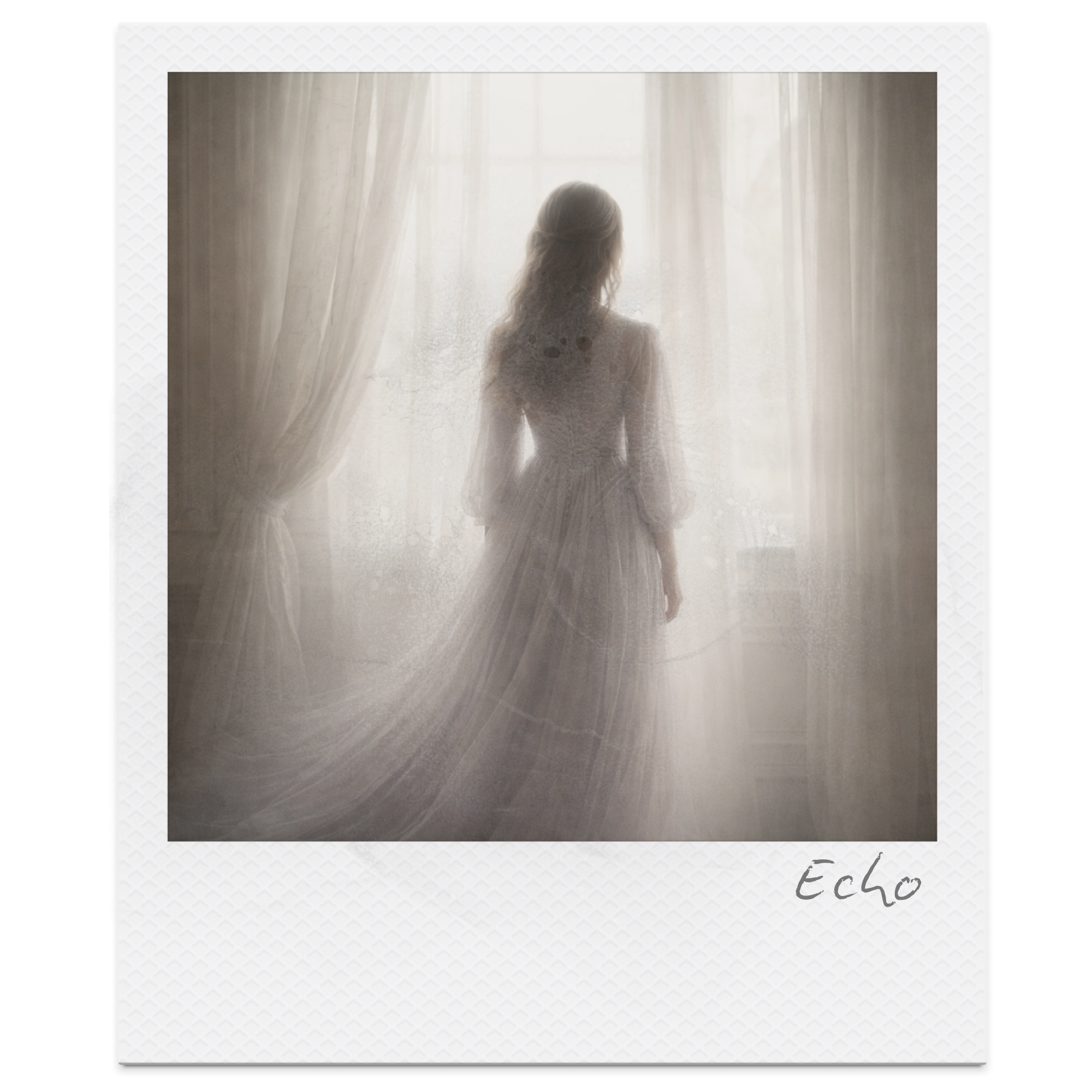
Christina Rossetti’s Echo is a haunting exploration of love, memory, and longing beyond death, where dreams become the only space for reunion. Through repetition, paradox, and lyrical imagery, the poem captures the tension between emotional closeness and physical absence, revealing how memory both sustains and intensifies grief. This analysis of Echo explores themes, structure, symbolism, and alternative interpretations, offering clear, in-depth insight into Rossetti’s presentation of desire, loss, and spiritual tension. Ideal for students and teachers, this guide breaks down the poem in a way that is both accessible and analytically rigorous.
Some Ladies Dress in Muslin Full and White by Christina Rossetti: Summary, Themes, Satire & Analysis
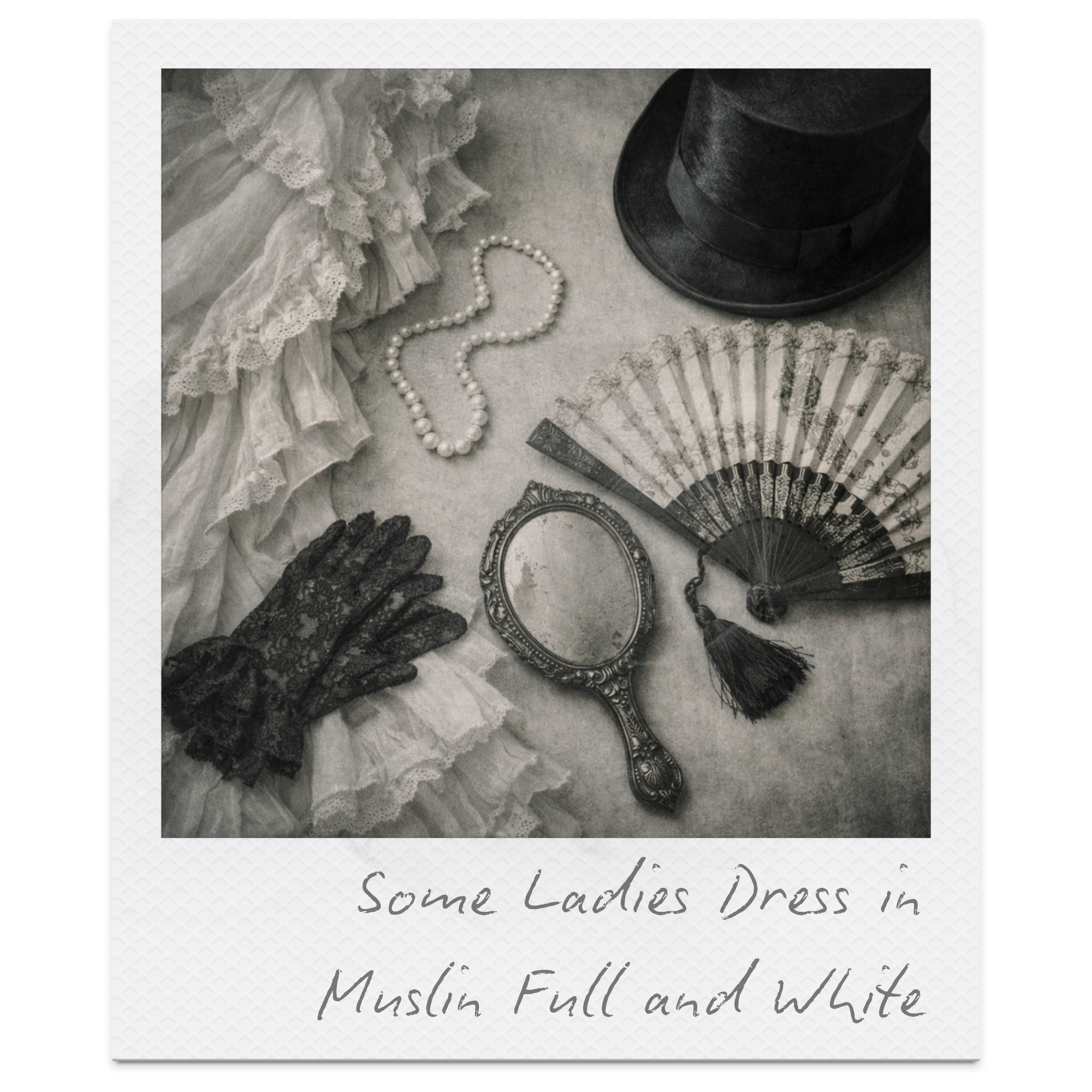
Christina Rossetti’s Some Ladies Dress in Muslin Full and White offers a sharp and often darkly humorous critique of Victorian society, exposing its obsession with appearance, fashion, and social display. Through a series of vivid, exaggerated images, Rossetti presents a world in which identity is constructed through outward presentation, revealing the tension between surface image and inner worth. What begins as light satire quickly develops into a more unsettling exploration of judgement, as the speaker moves from observation to open disdain. This analysis explores how Rossetti uses the sonnet form, imagery, and satirical tone to critique both the individuals she describes and the society that produces them. By examining the poem’s structure, language, and shifting perspective, we uncover how Rossetti not only mocks vanity and social performance, but also questions the morality of judging others based on appearance alone.
Memory by Christina Rossetti: Summary, Themes, Symbolism & Analysis
Christina Rossetti’s Memory explores the tension between emotional attachment and deliberate self-denial, presenting a speaker who consciously rejects a past love while continuing to feel its lasting impact. Through controlled language and reflective tone, the poem reveals how memory cannot be fully erased, but instead becomes internalised and preserved, shaping the speaker’s identity and emotional life over time. Divided into two distinct parts, the poem moves from decisive renunciation to quiet reflection, highlighting the contrast between outward control and inward persistence. While the speaker suppresses her feelings in the present, she ultimately finds meaning through spiritual hope, suggesting that what is denied in life may be restored beyond it.
Twice by Christina Rossetti: Summary, Themes, Symbolism & Analysis
Christina Rossetti’s Twice explores the emotional journey of a speaker who offers her heart first to a human lover and then to God, revealing the contrast between human rejection and divine understanding. Through powerful symbolism and structural repetition, Rossetti examines themes of unrequited love, judgement, and emotional vulnerability, showing how easily personal worth can be shaped—and damaged—by external evaluation. As the poem progresses, the speaker transforms her experience of rejection into an opportunity for spiritual redemption, turning away from flawed human judgement toward a more meaningful and enduring form of acceptance. This analysis explores how Rossetti uses imagery, tone, and form to chart this shift, making Twice a compelling study of identity, faith, and the search for lasting fulfilment.
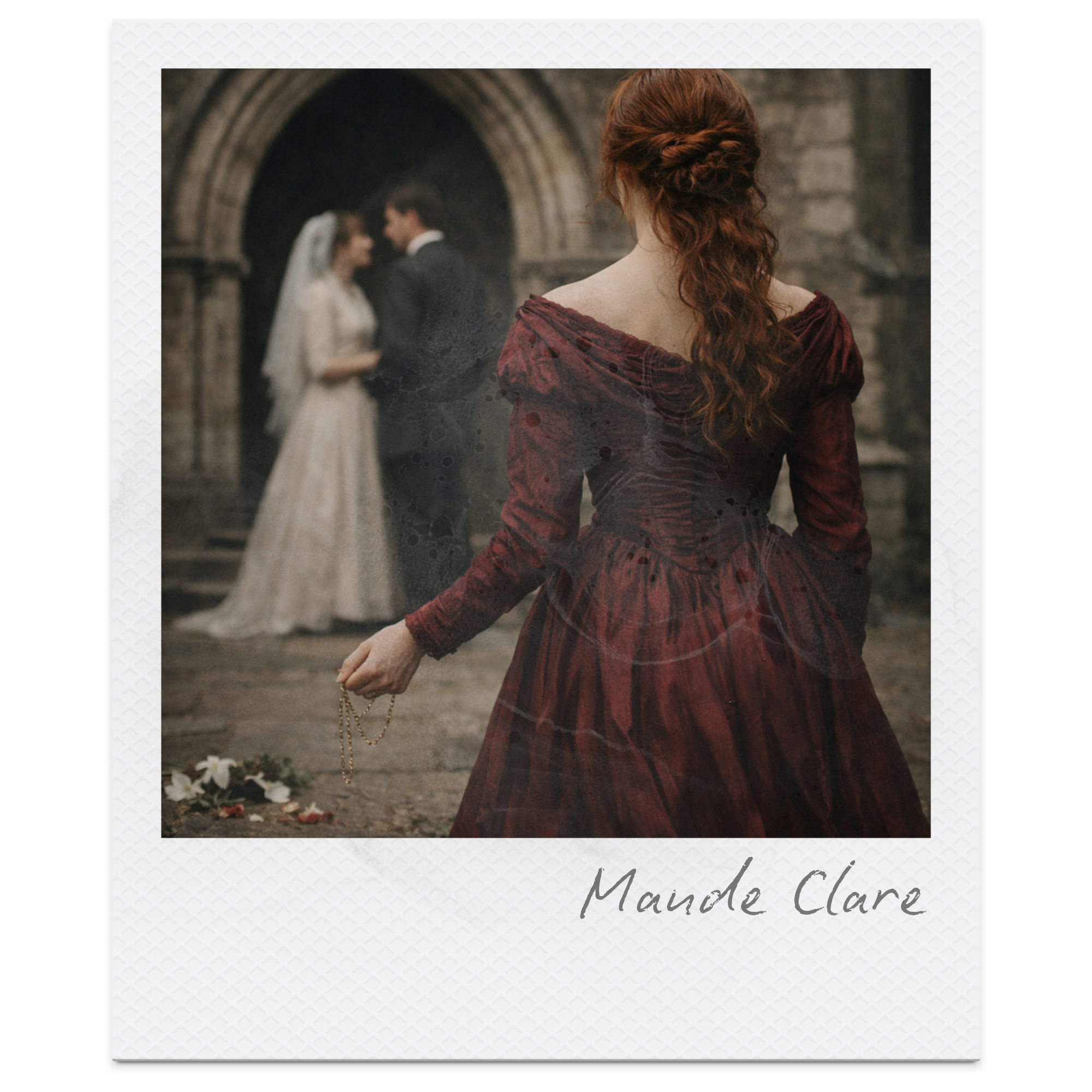
Maude Clare by Christina Rossetti: Summary, Themes, Symbolism & Analysis
Christina Rossetti’s Maude Clare is a dramatic and confrontational poem that explores female agency, love and betrayal, and the pressures of Victorian social expectation. Set against the public backdrop of a wedding, the poem stages a tense emotional conflict between past and present relationships, as Maude Clare interrupts the ceremony to challenge the stability of the marriage. Through sharp contrasts in character and voice, Rossetti reveals how appearances of loyalty and respectability can conceal deeper emotional instability. This analysis explores how Rossetti uses dialogue, symbolism, and shifting power dynamics to construct a poem that is both intimate and publicly charged. By examining the roles of Maude Clare, Nell, and Thomas, readers can see how the poem questions whether love can ever truly be replaced—and whether social approval is enough to sustain it. Perfect for literature study and revision, this guide breaks down key themes, quotes, and techniques in a clear, structured way.

Our Mothers, Lovely Women Pitiful by Christina Rossetti: Summary, Themes, Symbolism & Analysis
Christina Rossetti’s Our Mothers, Lovely Women Pitiful explores themes of memory, faith, and moral inheritance, presenting past generations as guiding figures whose lives continue to shape the present. Through its reflective tone and collective voice, the poem emphasises the importance of learning from experience and enduring with patience and belief. This analysis examines how Rossetti uses structure, language, and symbolism to balance reverence with uncertainty. As the poem shifts from shared instruction to personal doubt, it raises deeper questions about spiritual continuity, responsibility, and whether the past can truly offer reassurance in the present.

My Dream by Christina Rossetti: Summary, Themes, Symbolism & Analysis
Christina Rossetti’s My Dream presents a dark and symbolic vision of power, corruption, and collapse. Through the rise of a monstrous crocodile who gains dominance through violence and excess, the poem explores how authority built on destruction is ultimately unstable and self-defeating. This analysis examines Rossetti’s use of allegory, imagery, and dream narrative to reveal deeper concerns about human nature, control, and moral consequence. With its ambiguous ending and unsettling symbolism, My Dream invites readers to question how power operates—and what remains when it inevitably fails.
L.E.L. by Christina Rossetti: Summary, Themes, Symbolism & Analysis
Christina Rossetti’s L.E.L. explores unfulfilled love, emotional isolation, and the tension between public performance and private suffering. Through its repeated refrain and vivid spring imagery, the poem contrasts a lively, outward persona with a deeply lonely inner life, revealing how easily pain can remain hidden beneath social appearances. This analysis examines Rossetti’s use of structure, symbolism, and religious imagery to present longing as both a personal and spiritual experience. It considers how the poem moves from quiet despair toward deferred hope, suggesting that love denied in the present may find fulfilment beyond earthly life.

A Helpmeet for Him by Christina Rossetti: Summary, Themes, Symbolism & Analysis
Christina Rossetti’s A Helpmeet for Him explores gender roles, hidden strength, and Victorian ideals of womanhood, presenting a seemingly traditional view of female identity while subtly questioning its limitations. Through repetition, paradox, and controlled structure, the poem suggests that submission may conceal a deeper form of influence. This analysis examines the poem’s themes, symbolism, and structure, as well as its exploration of power, dependency, and identity. Ideal for students and teachers, it offers a clear summary alongside detailed interpretation to support deeper understanding of Rossetti’s work.

From the Antique Christina Rossetti Analysis: Themes, Feminism & Existential Meaning
Christina Rossetti’s From the Antique offers a striking exploration of weariness, identity, and existential despair, presenting a speaker who moves beyond dissatisfaction with life to question the value of existence itself. Through deceptively simple language and a controlled, almost conversational tone, the poem traces a progression from frustration with a “woman’s lot” to a far more unsettling desire for complete non-existence. The speaker does not merely long for change or escape, but for the erasure of both body and soul, revealing a profound rejection of identity and selfhood. At the same time, Rossetti contrasts this personal despair with the steady continuity of the natural world. While the speaker imagines her own disappearance, the seasons continue to turn, blossoms bloom, and life moves forward unchanged. This juxtaposition highlights a central tension within the poem: the individual experience of suffering exists within a world that remains indifferent and self-sustaining. Through this contrast, Rossetti raises deeper questions about insignificance, perception, and the meaning of existence, positioning the poem as both a personal reflection and a broader philosophical meditation.
Autumn Violets Christina Rossetti Analysis: Themes, Symbolism, Structure & Key Quotes
Christina Rossetti’s Autumn Violets is a reflective sonnet that explores how love is shaped by time, age, and emotional limitation. Through the delicate image of violets blooming out of season, Rossetti contrasts youthful, idealised love with a quieter, more restrained form of love that emerges later in life. The poem suggests that, like the natural world, emotional experiences follow a pattern, and when they occur outside their “proper” moment, they must be understood differently. In this analysis, we explore Rossetti’s use of seasonal symbolism, structure, and language to examine the relationship between love and timing. With detailed breakdowns of key lines, themes, and techniques, this guide offers a clear and insightful reading of Autumn Violets, revealing how the poem ultimately presents acceptance—not fulfilment—as the defining quality of later love.

May by Christina Rossetti: Summary, Themes, Symbolism & Analysis
Christina Rossetti’s May reflects on the fleeting nature of youth and happiness through the lens of memory. The speaker recalls a bright spring day but admits they cannot fully explain what happened during that moment. Instead of describing the event itself, the poem focuses on the surrounding natural imagery—flowers not yet blooming, eggs waiting to hatch, and birds still paired with their mates. These details evoke a world poised at the beginning of growth, symbolising a time of youthful possibility and emotional promise. However, the second stanza reveals that the moment has already passed. The speaker reflects that the experience disappeared “with sunny May,” suggesting that joy and vitality fade as naturally as the seasons change. The poem ends with a stark contrast between the warmth of remembered spring and the speaker’s present state of being “old, and cold, and gray.” Through this movement from vivid recollection to reflective distance, Rossetti captures the bittersweet awareness that life’s sweetest moments often become most powerful only after they have already slipped away.

Winter: My Secret by Christina Rossetti: Summary, Themes, Symbolism & Analysis
Christina Rossetti’s Winter: My Secret is a playful yet thought-provoking poem that explores secrecy, privacy, and emotional self-protection. Through teasing dialogue, seasonal imagery, and shifting rhythms, Rossetti presents a speaker who refuses to reveal her secret, turning the listener’s curiosity into part of the poem’s central tension. This analysis examines the poem’s themes, symbolism, structure, and key quotations, while also exploring alternative interpretations including feminist, psychological, and social readings. By combining close textual analysis with contextual insight, the article reveals how Rossetti transforms a seemingly light-hearted exchange into a deeper reflection on identity, autonomy, and the power of withholding personal truths.
The Fall of the House of Usher by Edgar Allan Poe: Summary, Themes, Symbolism & Analysis
The Fall of the House of Usher is one of Edgar Allan Poe’s most famous Gothic short stories, exploring madness, isolation, fear, and the uneasy link between the human mind and its surroundings. This analysis examines the story’s plot, themes, symbolism, and literary techniques, showing how Poe transforms the decaying Usher mansion into a powerful reflection of psychological collapse and family decline. Ideal for students, teachers, and anyone revising Gothic fiction, this guide explores key ideas such as unreliable narration, family decay, premature burial, and the blurred boundary between reality and the supernatural. It also includes quotes, alternative interpretations, and teaching ideas to support deeper reading and classroom discussion.
The World by Christina Rossetti: Summary, Themes, Symbolism & Analysis
Christina Rossetti’s The World is a powerful sonnet exploring temptation, deception, and spiritual corruption. Through the striking image of a beautiful woman who transforms into something monstrous, Rossetti exposes the danger of trusting outward appearances. The poem contrasts seductive daytime beauty with terrifying night-time revelation, suggesting that worldly pleasures often conceal deeper moral consequences. This analysis explores Rossetti’s use of religious imagery, symbolism, and dramatic contrast to reveal the gap between appearance and truth. By examining the poem’s structure, themes, and key lines, readers can better understand how The World functions as a warning about the seductive power of worldly desire and the importance of moral choice.
Passing and Glassing by Christina Rossetti: Summary, Themes, Symbolism & Analysis
Christina Rossetti’s Passing and Glassing is a reflective poem exploring aging, transience, memory, and the development of wisdom through time. Using symbolic imagery of fading flowers, fallen fruit, and preserved scents, Rossetti suggests that the natural world functions as a mirror reflecting human life. What begins as a meditation on the fading of beauty gradually expands into a deeper reflection on how experience shapes understanding. This analysis explores the poem’s imagery, symbolism, structure, and philosophical ideas, showing how Rossetti moves from personal reflection on aging toward a broader meditation on human experience. Through close reading of the poem’s language and imagery, we can see how Passing and Glassing transforms the passing of time into a source of perspective and insight.
Sweet Death by Christina Rossetti: Summary, Themes, Symbolism & Analysis
Christina Rossetti’s Sweet Death is a reflective poem that explores mortality, the passing of youth and beauty, and the promise of spiritual rest. Through vivid imagery drawn from nature, Rossetti observes how blossoms fall, colours fade, and life gradually returns to the earth. These natural processes become a metaphor for human life, suggesting that death is not simply an ending but part of a larger cycle of transformation and renewal. As the poem develops, Rossetti moves beyond the natural world to consider a deeper spiritual perspective. The fading of earthly beauty is contrasted with the enduring presence of God, saints, and divine rest, implying that true permanence lies beyond human life. In this way, Sweet Death encourages readers to view mortality not with fear, but with a sense of acceptance, presenting death as a transition toward lasting peace rather than a final loss.
Piteous My Rhyme Is by Christina Rossetti: Summary, Themes, Symbolism & Analysis
Christina Rossetti’s Piteous My Rhyme Is explores the paradoxical relationship between love, suffering, and emotional endurance. Through a carefully mirrored structure, the poem contrasts two perspectives on love: one that sees love as wasted, unreturned, and painful, and another that interprets the same experience as evidence of love’s strength and lasting power. In this analysis of Piteous My Rhyme Is, we examine Rossetti’s use of structure, repetition, rhyme, and rhetorical questioning to explore themes such as unreturned love, emotional sacrifice, and the contrast between mortal life and lasting emotion. The poem ultimately suggests that love’s willingness to endure suffering may reveal its deepest significance.
In the Bleak Midwinter by Christina Rossetti: Summary, Themes, Symbolism & Analysis
Christina Rossetti’s In the Bleak Midwinter is a devotional lyric that reflects on the Nativity through the stark imagery of a frozen winter landscape. The poem contrasts the vast power of God with the humility of Christ’s birth in a simple stable, using quiet, hymn-like language to explore themes of faith, humility, and divine incarnation. As the poem progresses, Rossetti shifts from describing the sacred scene to asking a deeply personal question: what can an ordinary person offer to the divine? The poem ultimately suggests that material gifts are less important than sincere spiritual devotion, concluding that the most meaningful offering is the gift of the heart.
Cousin Kate by Christina Rossetti: Analysis, Themes, Structure & Meaning
Cousin Kate by Christina Rossetti is a dramatic narrative poem that explores female reputation, class power, and sexual double standards in Victorian society. Through the voice of a rural woman seduced and abandoned by a wealthy lord, Rossetti reveals how social judgement falls disproportionately on women while men maintain their status and authority. This analysis explores the poem’s themes, symbolism, and narrative structure, examining how Rossetti critiques Victorian morality while giving the speaker a powerful voice of reflection and resilience. It also considers how the poem’s final twist transforms the speaker’s shame into a form of unexpected power.