Notes from the Inkpot
Writing, teaching, creating - one ink-stained idea at a time.





May by Christina Rossetti: Summary, Themes, Symbolism & Analysis
Christina Rossetti’s May reflects on the fleeting nature of youth and happiness through the lens of memory. The speaker recalls a bright spring day but admits they cannot fully explain what happened during that moment. Instead of describing the event itself, the poem focuses on the surrounding natural imagery—flowers not yet blooming, eggs waiting to hatch, and birds still paired with their mates. These details evoke a world poised at the beginning of growth, symbolising a time of youthful possibility and emotional promise. However, the second stanza reveals that the moment has already passed. The speaker reflects that the experience disappeared “with sunny May,” suggesting that joy and vitality fade as naturally as the seasons change. The poem ends with a stark contrast between the warmth of remembered spring and the speaker’s present state of being “old, and cold, and gray.” Through this movement from vivid recollection to reflective distance, Rossetti captures the bittersweet awareness that life’s sweetest moments often become most powerful only after they have already slipped away.

Winter: My Secret by Christina Rossetti: Summary, Themes, Symbolism & Analysis
Christina Rossetti’s Winter: My Secret is a playful yet thought-provoking poem that explores secrecy, privacy, and emotional self-protection. Through teasing dialogue, seasonal imagery, and shifting rhythms, Rossetti presents a speaker who refuses to reveal her secret, turning the listener’s curiosity into part of the poem’s central tension. This analysis examines the poem’s themes, symbolism, structure, and key quotations, while also exploring alternative interpretations including feminist, psychological, and social readings. By combining close textual analysis with contextual insight, the article reveals how Rossetti transforms a seemingly light-hearted exchange into a deeper reflection on identity, autonomy, and the power of withholding personal truths.
The World by Christina Rossetti: Summary, Themes, Symbolism & Analysis
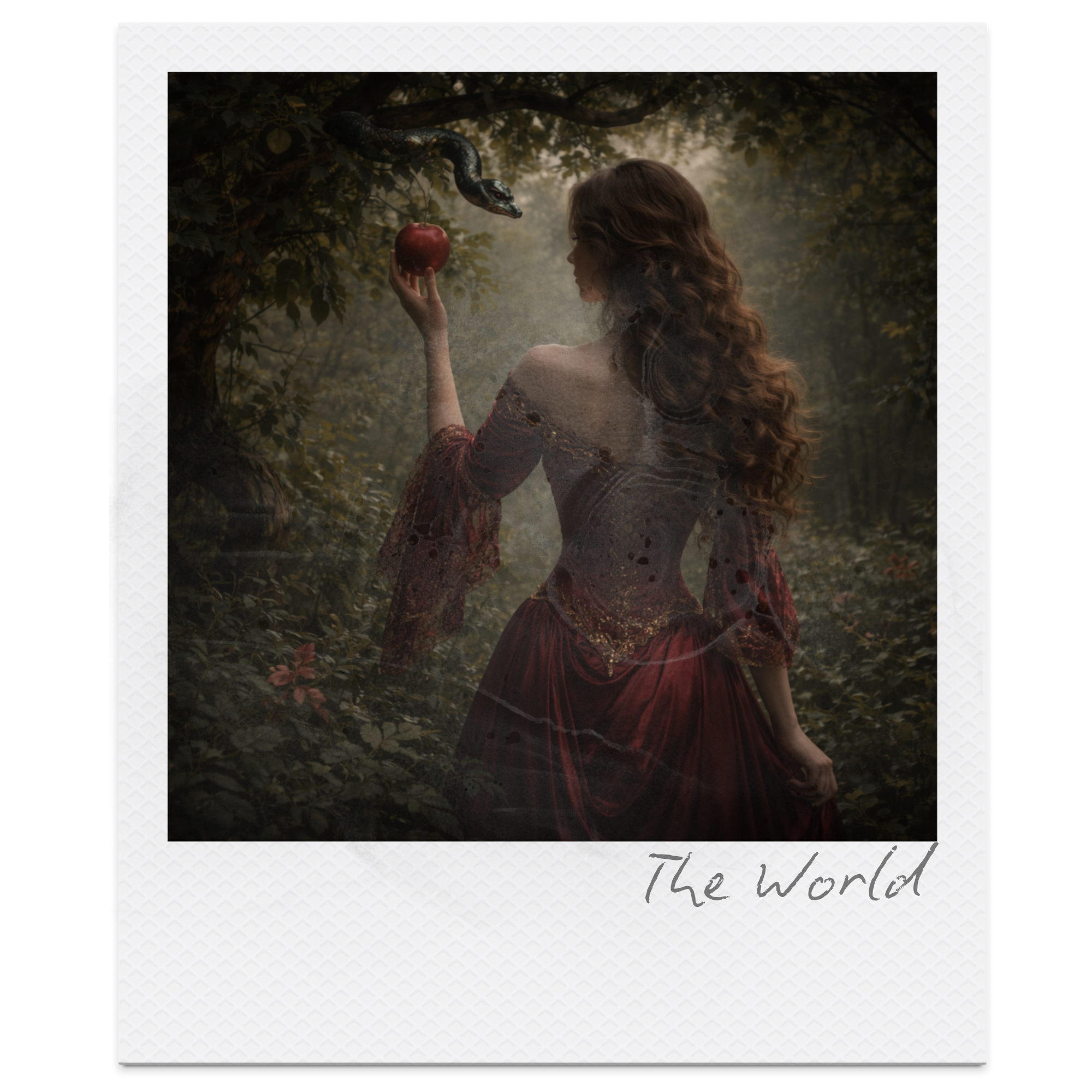
Christina Rossetti’s The World is a powerful sonnet exploring temptation, deception, and spiritual corruption. Through the striking image of a beautiful woman who transforms into something monstrous, Rossetti exposes the danger of trusting outward appearances. The poem contrasts seductive daytime beauty with terrifying night-time revelation, suggesting that worldly pleasures often conceal deeper moral consequences. This analysis explores Rossetti’s use of religious imagery, symbolism, and dramatic contrast to reveal the gap between appearance and truth. By examining the poem’s structure, themes, and key lines, readers can better understand how The World functions as a warning about the seductive power of worldly desire and the importance of moral choice.
Passing and Glassing by Christina Rossetti: Summary, Themes, Symbolism & Analysis
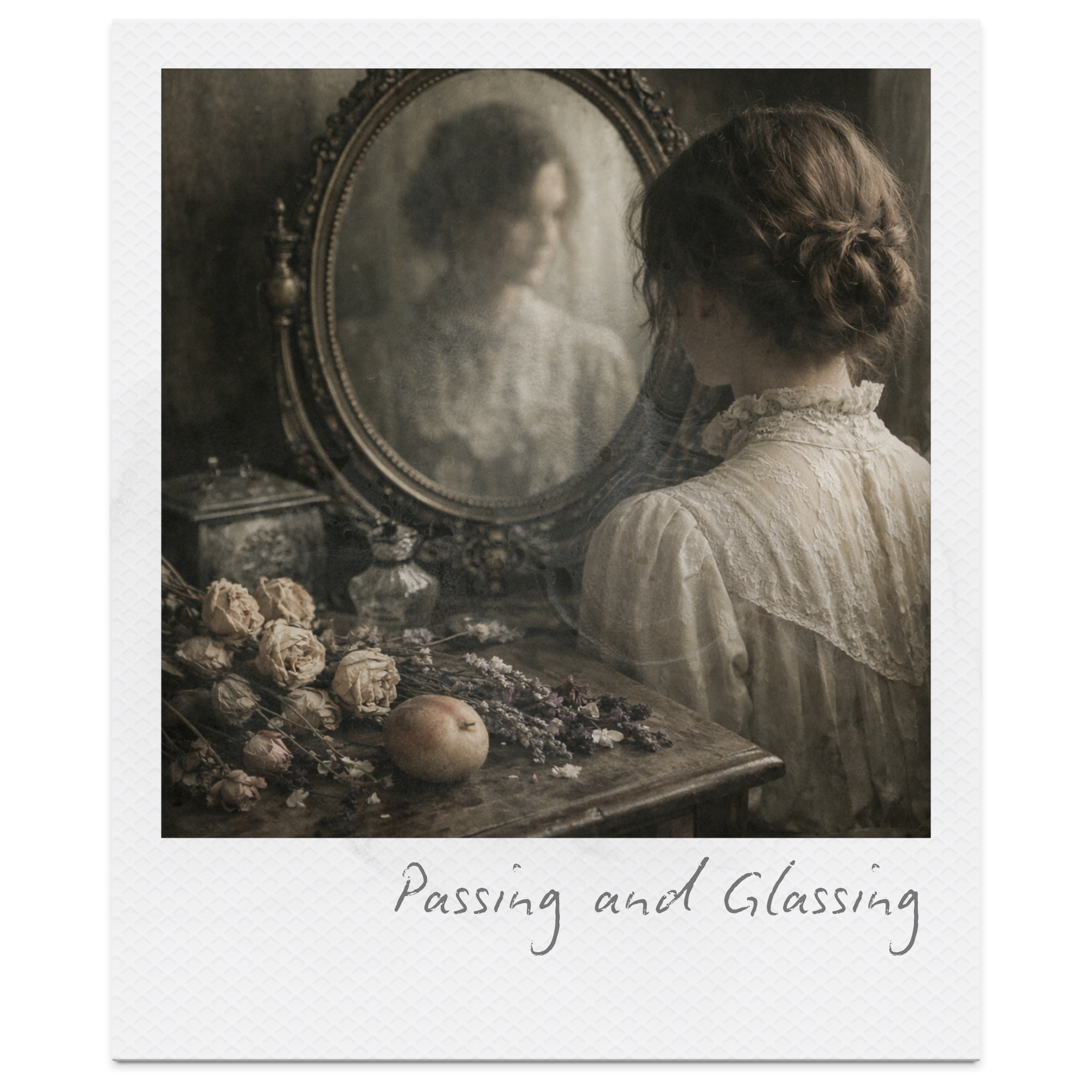
Christina Rossetti’s Passing and Glassing is a reflective poem exploring aging, transience, memory, and the development of wisdom through time. Using symbolic imagery of fading flowers, fallen fruit, and preserved scents, Rossetti suggests that the natural world functions as a mirror reflecting human life. What begins as a meditation on the fading of beauty gradually expands into a deeper reflection on how experience shapes understanding. This analysis explores the poem’s imagery, symbolism, structure, and philosophical ideas, showing how Rossetti moves from personal reflection on aging toward a broader meditation on human experience. Through close reading of the poem’s language and imagery, we can see how Passing and Glassing transforms the passing of time into a source of perspective and insight.
Sweet Death by Christina Rossetti: Summary, Themes, Symbolism & Analysis
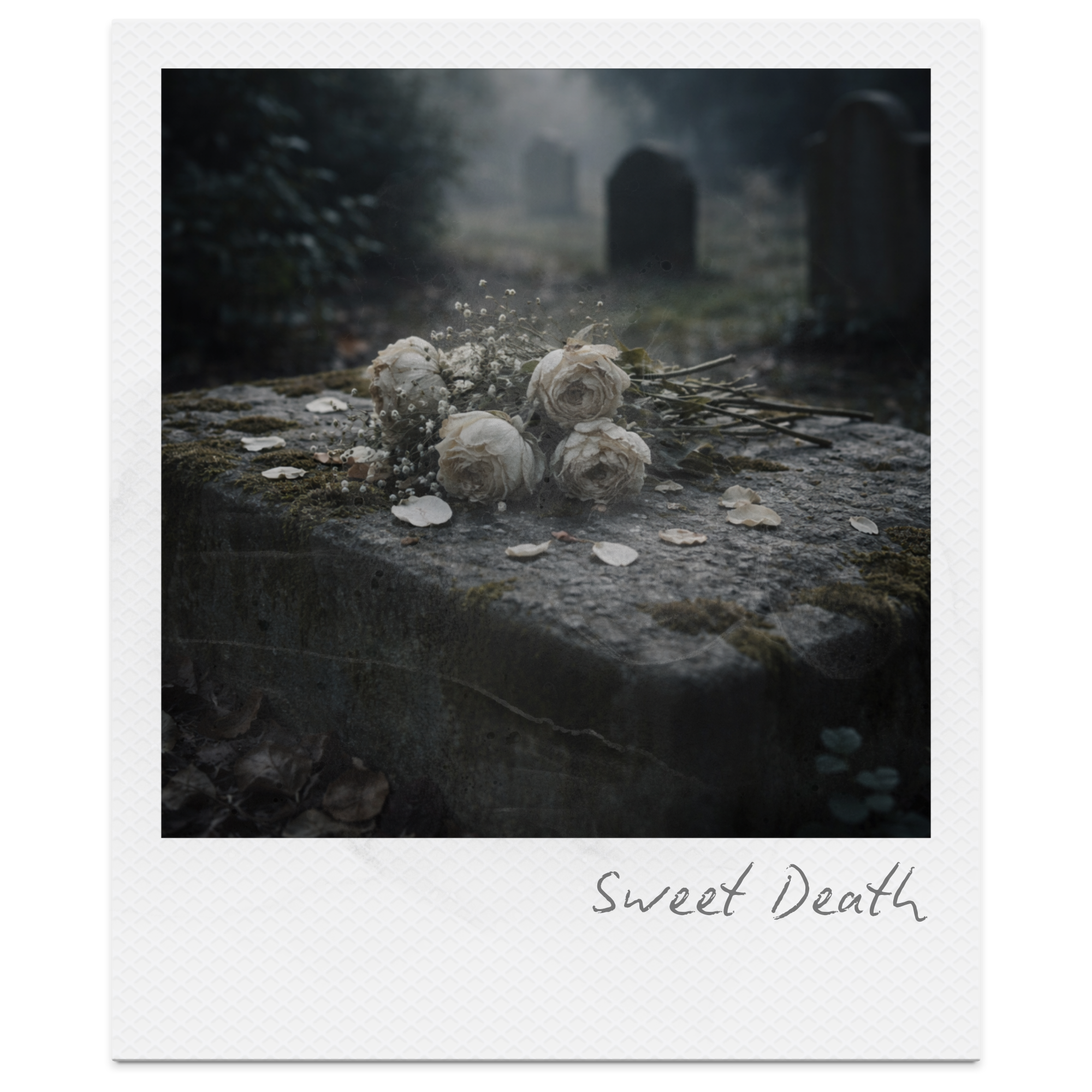
Christina Rossetti’s Sweet Death is a reflective poem that explores mortality, the passing of youth and beauty, and the promise of spiritual rest. Through vivid imagery drawn from nature, Rossetti observes how blossoms fall, colours fade, and life gradually returns to the earth. These natural processes become a metaphor for human life, suggesting that death is not simply an ending but part of a larger cycle of transformation and renewal. As the poem develops, Rossetti moves beyond the natural world to consider a deeper spiritual perspective. The fading of earthly beauty is contrasted with the enduring presence of God, saints, and divine rest, implying that true permanence lies beyond human life. In this way, Sweet Death encourages readers to view mortality not with fear, but with a sense of acceptance, presenting death as a transition toward lasting peace rather than a final loss.
Piteous My Rhyme Is by Christina Rossetti: Summary, Themes, Symbolism & Analysis
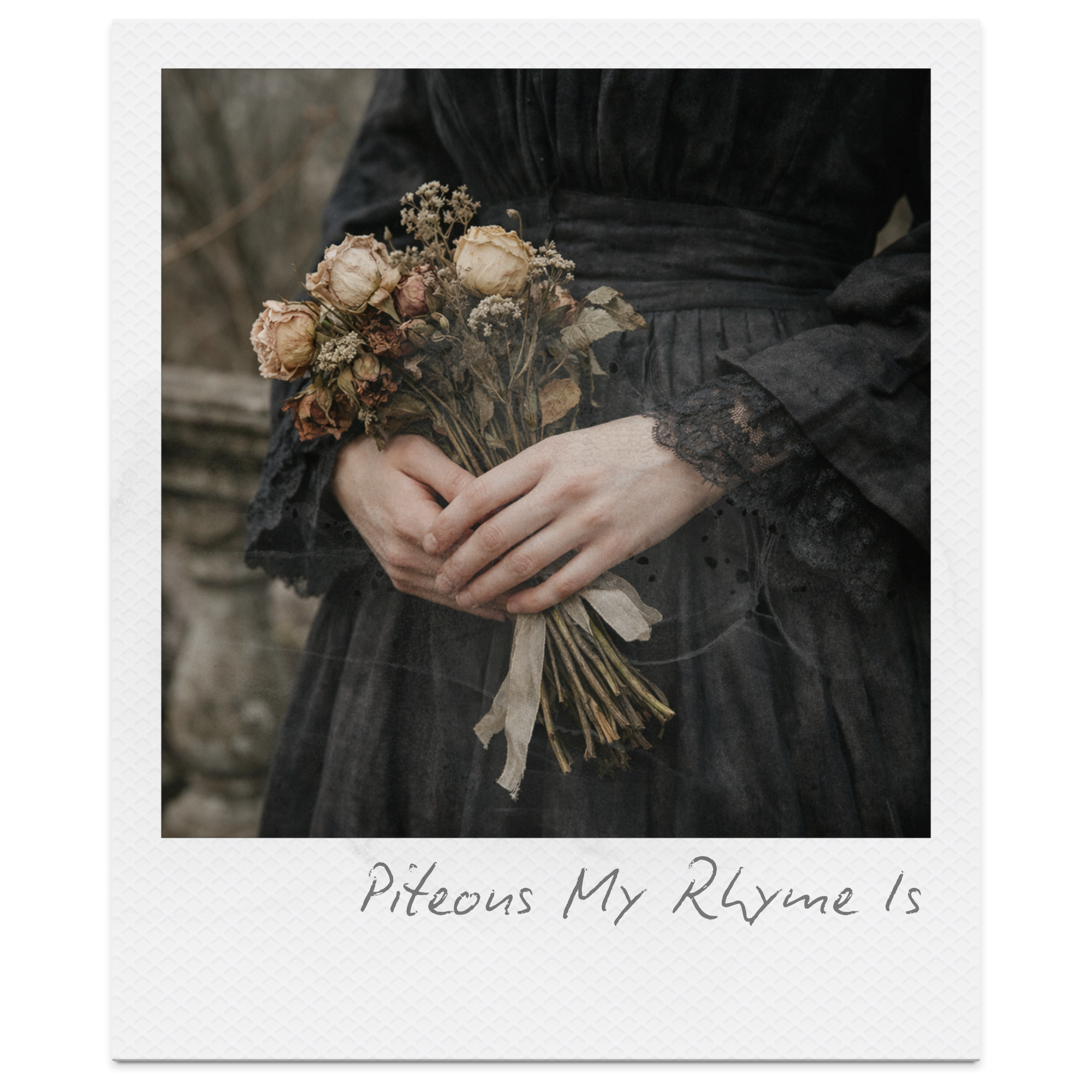
Christina Rossetti’s Piteous My Rhyme Is explores the paradoxical relationship between love, suffering, and emotional endurance. Through a carefully mirrored structure, the poem contrasts two perspectives on love: one that sees love as wasted, unreturned, and painful, and another that interprets the same experience as evidence of love’s strength and lasting power. In this analysis of Piteous My Rhyme Is, we examine Rossetti’s use of structure, repetition, rhyme, and rhetorical questioning to explore themes such as unreturned love, emotional sacrifice, and the contrast between mortal life and lasting emotion. The poem ultimately suggests that love’s willingness to endure suffering may reveal its deepest significance.
In the Bleak Midwinter by Christina Rossetti: Summary, Themes, Symbolism & Analysis
Christina Rossetti’s In the Bleak Midwinter is a devotional lyric that reflects on the Nativity through the stark imagery of a frozen winter landscape. The poem contrasts the vast power of God with the humility of Christ’s birth in a simple stable, using quiet, hymn-like language to explore themes of faith, humility, and divine incarnation. As the poem progresses, Rossetti shifts from describing the sacred scene to asking a deeply personal question: what can an ordinary person offer to the divine? The poem ultimately suggests that material gifts are less important than sincere spiritual devotion, concluding that the most meaningful offering is the gift of the heart.
Cousin Kate by Christina Rossetti: Analysis, Themes, Structure & Meaning
Cousin Kate by Christina Rossetti is a dramatic narrative poem that explores female reputation, class power, and sexual double standards in Victorian society. Through the voice of a rural woman seduced and abandoned by a wealthy lord, Rossetti reveals how social judgement falls disproportionately on women while men maintain their status and authority. This analysis explores the poem’s themes, symbolism, and narrative structure, examining how Rossetti critiques Victorian morality while giving the speaker a powerful voice of reflection and resilience. It also considers how the poem’s final twist transforms the speaker’s shame into a form of unexpected power.

Heart’s Chill Between by Christina Rossetti: Analysis, Summary, Themes & Meaning
lost love, revealing how grief, memory, and emotional repression continue to shape the speaker’s inner life long after a relationship has ended. Through restrained language and reflective imagery, the poem shows how outward composure can conceal deeper psychological suffering. This analysis examines the poem’s themes, symbolism, structure, and key quotations, offering a detailed exploration of Rossetti’s portrayal of emotional restraint and unresolved grief. Ideal for GCSE and A Level literature study, the guide also includes teaching ideas and comparisons with other Rossetti poems.

Babylon the Great by Christina Rossetti: Summary, Themes, Symbolism & Analysis
Christina Rossetti’s Babylon the Great is a powerful sonnet that draws on imagery from the Book of Revelation to explore themes of temptation, spiritual corruption, and divine judgement. Through vivid symbolism and prophetic warnings, the poem presents Babylon as a seductive yet destructive figure whose outward splendour conceals profound moral decay. This detailed analysis explores the poem’s structure, imagery, symbolism, key quotations, and themes, alongside alternative interpretations and classroom teaching ideas. This guide helps readers understand how Rossetti transforms biblical imagery into a striking poetic warning about the dangers of fascination and moral deception.

A Birthday by Christina Rossetti: Summary, Themes, Symbolism & Analysis
Christina Rossetti’s A Birthday celebrates the arrival of love through rich imagery, musical language, and powerful symbolism. In this detailed analysis, the poem is explored through its themes of romantic fulfilment, emotional rebirth, abundance, and devotion, showing how Rossetti transforms a moment of love into a joyful declaration that life itself has begun anew. This guide examines the poem’s structure, imagery, key quotations, techniques, and themes, alongside alternative interpretations and classroom teaching ideas. Ideal for GCSE, IGCSE, and A Level literature study, the analysis helps readers understand how Rossetti uses poetic form and symbolism to present love as a moment of profound emotional transformation.
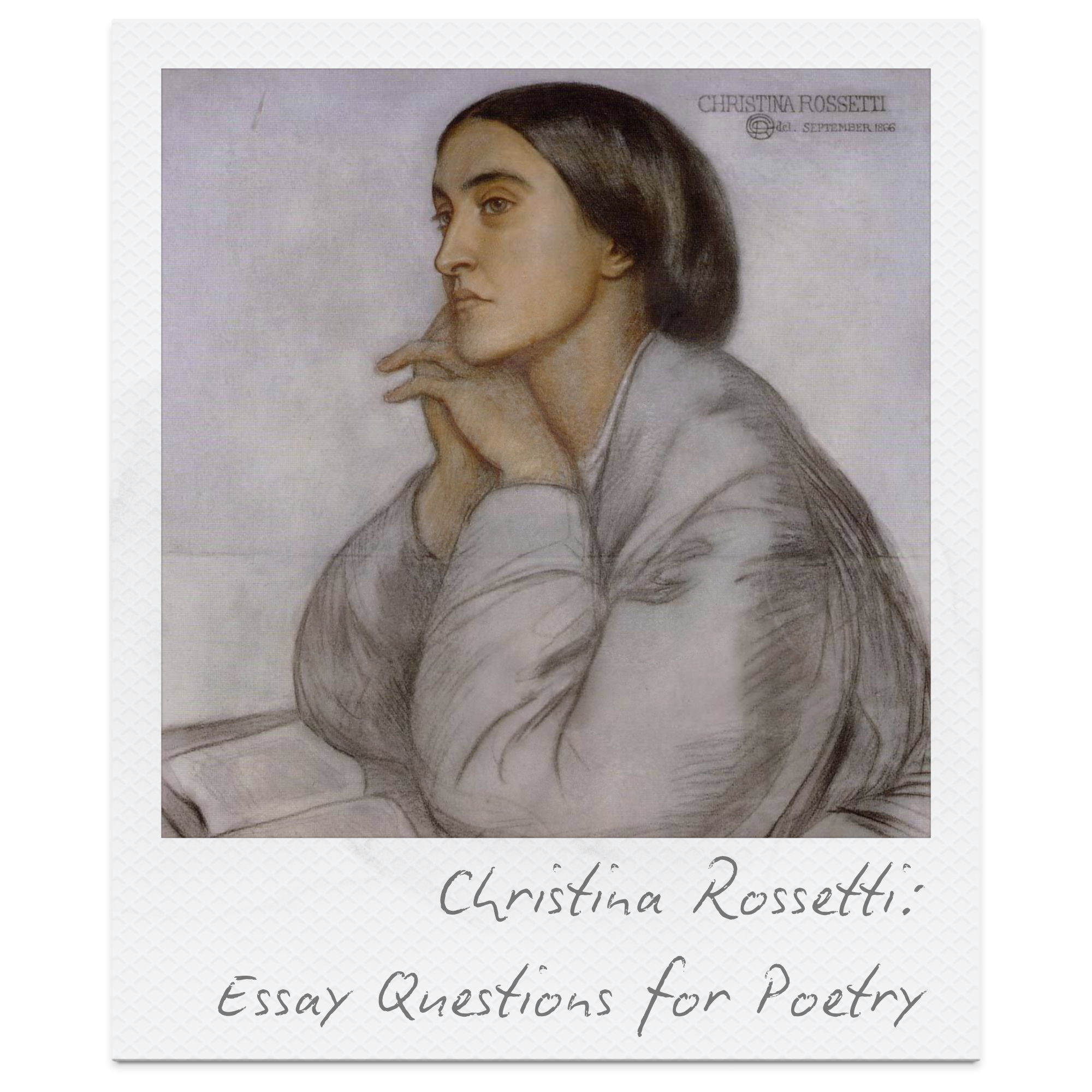
Christina Rossetti Essay Questions for Key Poems: Remember, After Death, Goblin Market & More
This collection of Christina Rossetti essay questions is designed to help students explore the themes, imagery, and ideas that shape Rossetti’s poetry. The questions cover a wide range of poems, encouraging close reading and thoughtful interpretation of topics such as love, faith, memory, temptation, and spiritual struggle. Each section focuses on a specific poem and offers prompts suitable for class discussion, essay planning, and exam preparation. The questions are suitable for GCSE, IGCSE, A Level, and IB literature courses, and can be adapted for different levels of study. Teachers can use them for essay practice, revision activities, silent debates, or shared writing tasks, helping students develop stronger analytical responses to Rossetti’s work while gaining confidence in literary essay writing.

Confluents by Christina Rossetti: Summary, Themes, Symbolism & Analysis
Christina Rossetti’s Confluents explores spiritual longing, devotion, and the desire for union through a series of natural comparisons. Rivers flowing toward the sea, roses opening to sunlight, and dew rising into the air all reflect the speaker’s belief that the soul instinctively seeks connection with something greater than itself. This analysis examines the poem’s imagery, symbolism, structure, and key quotations, showing how Rossetti uses natural processes to represent emotional and spiritual yearning. It also explores the poem’s themes of faith, distance, and hope, offering interpretations and teaching ideas suitable for GCSE, A Level, and secondary English literature study.

50 Spring Poetry Writing Prompts for Teens: Titles, Images, Forms, Voice & Technique
Spring poetry invites writers to slow down and look more closely — not just at nature, but at how change is represented through image, style, and mood. From quiet moments of emergence to unsettled transitions, spring offers rich material for thoughtful, craft-focused poetry. This collection of 50 spring poetry writing prompts for teens draws on a range of visual styles, symbolic imagery, and poetic techniques. Designed for older students, the prompts encourage ekphrastic responses, careful language choices, and exploration of form, voice, and meaning rather than surface description.
A Daughter of Eve by Christina Rossetti: Summary, Themes, Symbolism & Analysis
Christina Rossetti’s A Daughter of Eve explores regret, lost opportunity, and moral self-awareness through the voice of a speaker who realises too late the consequences of her past choices. Using powerful imagery of flowers, gardens, and seasonal change, the poem reflects on how moments of possibility can pass unnoticed until they are gone. This analysis examines the poem’s symbolism, structure, themes, and key quotations, exploring how Rossetti presents the painful recognition of missed chances and emotional loss. It also considers wider interpretations of the poem, including religious symbolism, psychological reflection, and Victorian ideas about responsibility and innocence.
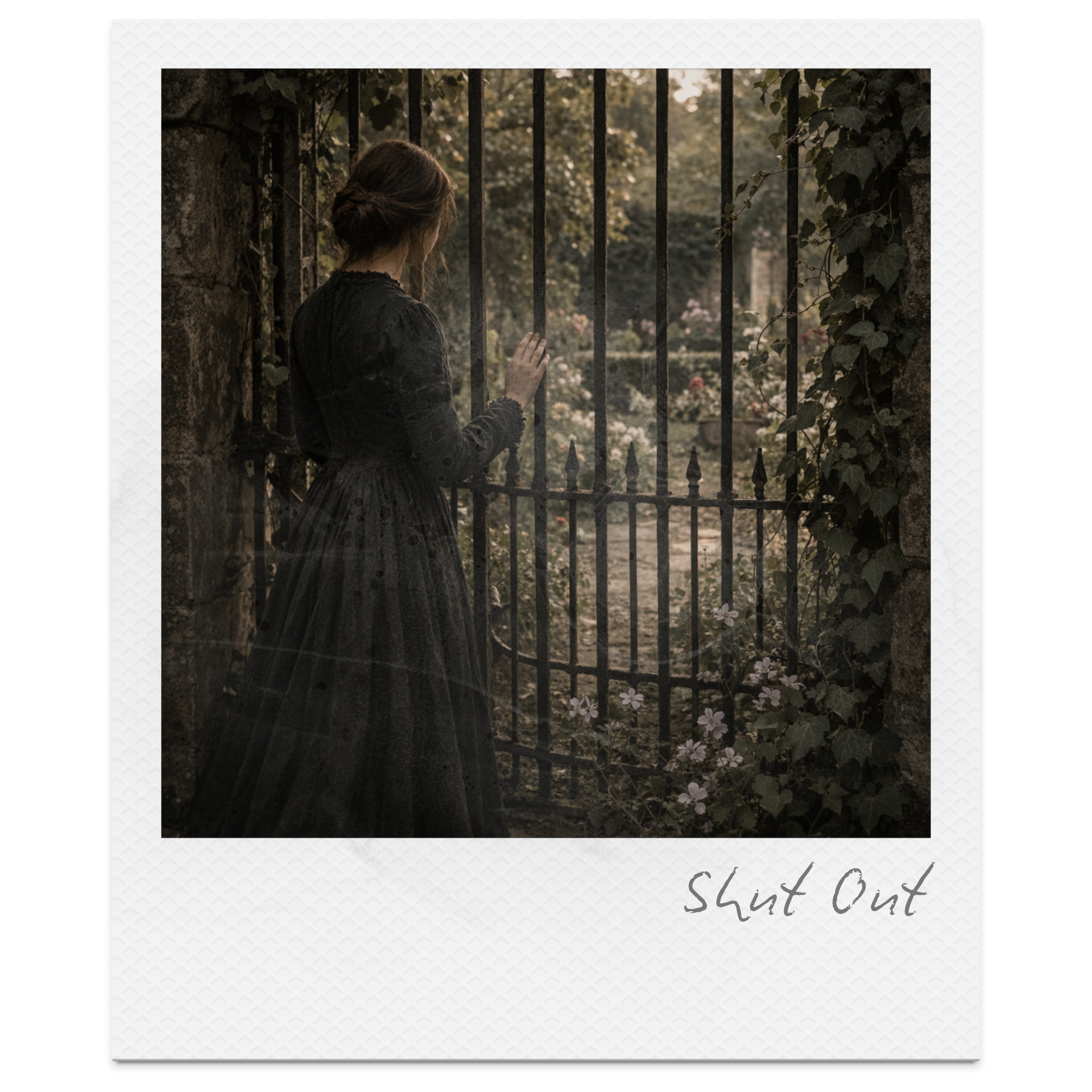
Shut Out by Christina Rossetti: Summary, Themes, Symbolism & Analysis
Shut Out explores the painful experience of being separated from something that once brought joy and belonging. The speaker stands outside a garden that was once their own, looking through iron bars at a place filled with flowers, birds, and life. As the poem unfolds, the speaker’s attempts to regain even the smallest connection to this lost space are denied, and the barrier between the speaker and the garden becomes permanent. Through the powerful symbolism of the closed garden, Rossetti reflects on themes of exclusion, loss of innocence, spiritual exile, and longing for the past. Even when new beauty appears nearby, it cannot replace what has been lost, revealing how memory can make the present world feel diminished in comparison to a cherished past.

I Loved You First: But Afterwards Your Love by Christina Rossetti: Summary, Themes, Symbolism & Analysis
I Loved You First: But Afterwards Your Love explores the complex balance between two lovers as the speaker reflects on who loved first and whose devotion might be greater. What begins as a quiet claim of emotional precedence quickly becomes a deeper meditation on mutual love, emotional reciprocity, and the difficulty of measuring affection between two people. As the sonnet unfolds, the speaker gradually abandons the language of comparison and calculation. Instead, the poem moves toward a philosophical conclusion: genuine love dissolves the boundaries between individuals, replacing ideas of “mine” and “thine” with a shared emotional identity in which both lovers participate equally.
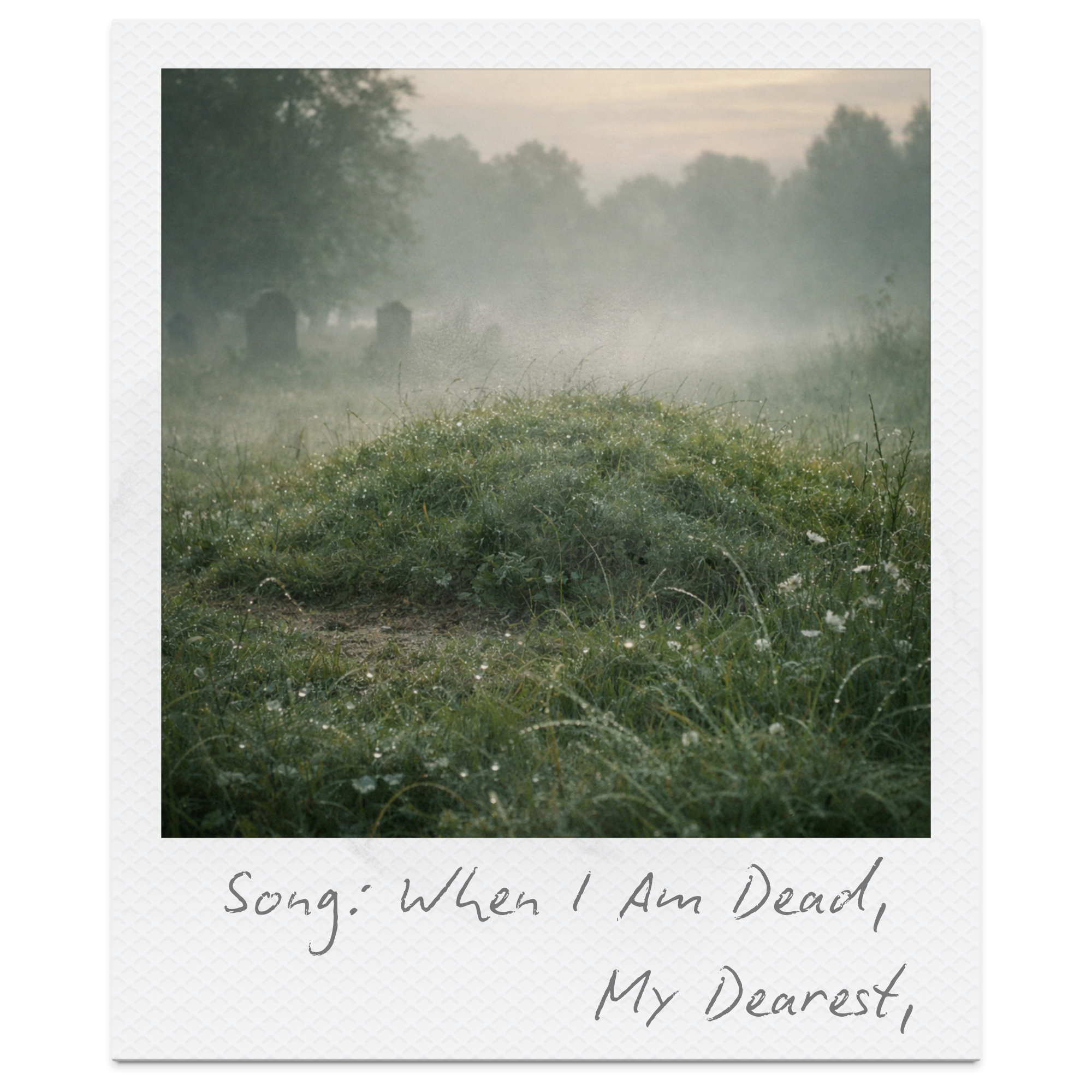
Song: When I Am Dead, My Dearest by Christina Rossetti: Meaning, Themes & Analysis
This guide offers a clear analysis of Song: When I Am Dead, My Dearest by Christina Rossetti, exploring the poem’s themes, structure, imagery, and tone. The article provides a detailed summary alongside stanza-by-stanza analysis, helping readers understand how Rossetti presents death with calm acceptance while questioning the importance of remembrance. You’ll also find explanations of key quotations, literary techniques, and alternative interpretations of the poem, making this guide useful for GCSE and A Level literature study. The analysis explores Rossetti’s ideas about memory, emotional detachment, and the limits of mourning, while linking the poem to wider themes in her poetry.
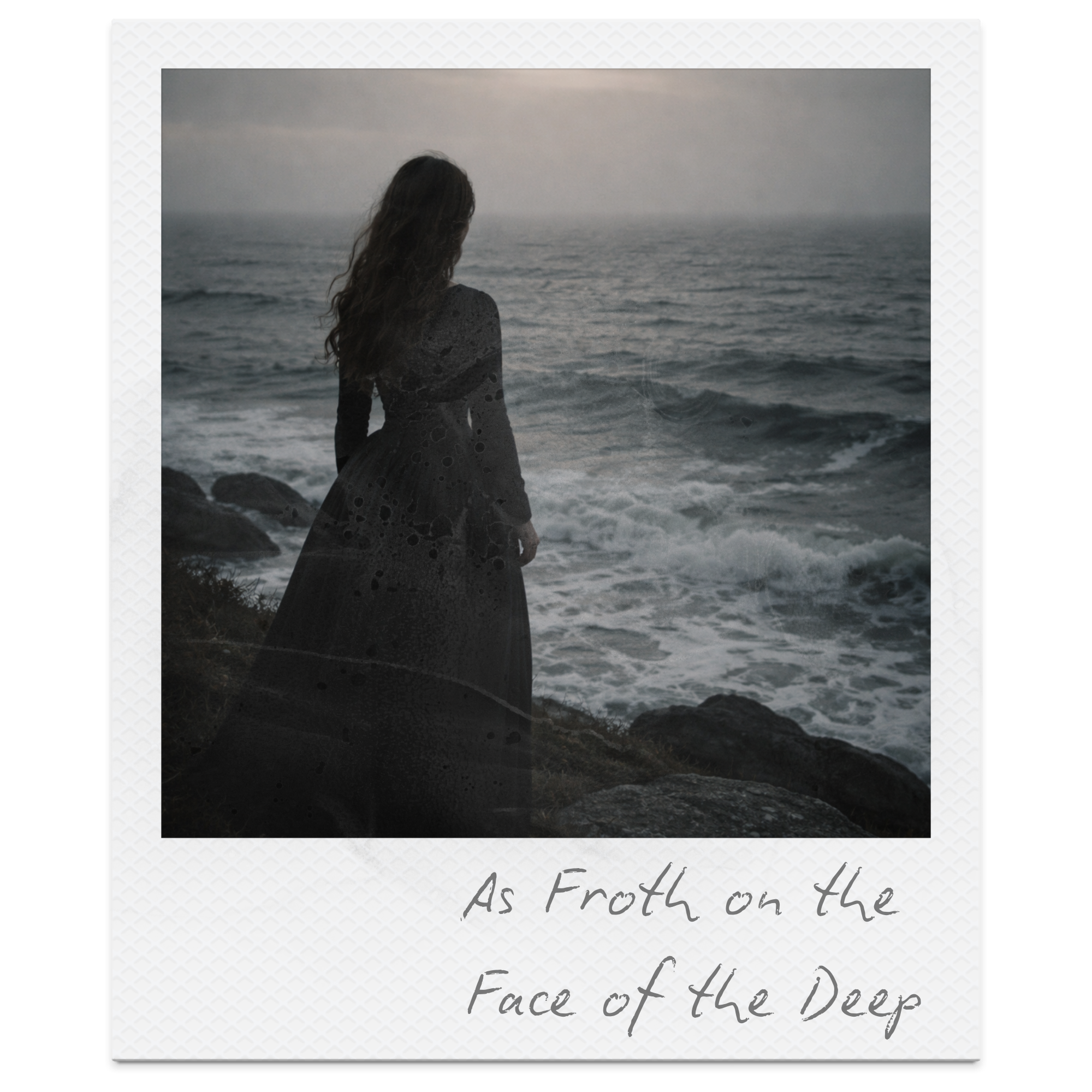
As Froth on the Face of the Deep by Christina Rossetti: Summary, Themes, Symbolism & Analysis
Christina Rossetti’s As Froth on the Face of the Deep is a reflective poem that explores the fragility and brevity of human life. Through the striking metaphor of foam appearing briefly on the surface of the ocean, the poem presents existence as something temporary and delicate when compared with the vast forces of nature. This analysis examines the poem’s imagery, symbolism, structure, and themes, exploring how Rossetti uses simple natural comparisons to reflect on mortality, impermanence, and spiritual perspective. The poem invites readers to consider the fleeting nature of human existence and the wider philosophical questions that arise from recognising life’s limited span.

Annabel Lee by Edgar Allan Poe: Summary, Themes, Meaning & Analysis
Explore a clear and engaging analysis of Annabel Lee by Edgar Allan Poe, including summary, themes, symbolism, and key quotes. This guide explains the poem’s ideas about love and devotion beyond death, grief and mourning, romantic idealisation, and the persistence of memory, showing how Poe uses repetition, imagery, and ballad form to create one of his most haunting poems. This resource includes stanza-by-stanza analysis, key techniques, discussion ideas, and teaching activities, making it useful for middle and high school literature students and teachers worldwide. It is ideal for studying Poe’s gothic poetry and exploring how the poem presents love, loss, and emotional attachment.