Notes from the Inkpot
Writing, teaching, creating - one ink-stained idea at a time.

Tears, Idle Tears by Alfred, Lord Tennyson: Summary, Themes & Analysis
Alfred, Lord Tennyson’s Tears, Idle Tears explores memory, loss, and emotional longing, capturing the powerful and often inexplicable nature of nostalgia. Through repetition, extended similes, and shifting imagery, the poem presents a speaker overwhelmed by emotion triggered not by a specific event, but by reflection on “the days that are no more.” Tennyson shows how memory can make the past feel vividly present while simultaneously reinforcing its irretrievable loss. As the poem develops, contrasting images of life and death, arrival and departure, and joy and sorrow deepen this emotional tension. The recurring refrain anchors the poem’s cyclical structure, while the final paradox, “O Death in Life,” reveals the central idea: that living with memory creates a constant awareness of absence. Rather than resolving this tension, Tennyson leaves the reader in a state of reflection, suggesting that the experience of memory is not something to be explained, but something to be felt.
One Art by Elizabeth Bishop: Summary, Themes & Analysis
Elizabeth Bishop’s One Art explores loss and emotional control through a tightly structured villanelle, presenting the idea that losing can be learned and mastered. Through repetition and an authoritative, instructional voice, the poem initially suggests that loss is manageable, using everyday examples to create a sense of calm and control. However, as the poem progresses, the scale of loss becomes more personal and emotionally significant, revealing cracks in this composure. Subtle shifts in tone and structure expose the tension between the speaker’s claims and her true feelings, ultimately suggesting that loss cannot be fully mastered, no matter how carefully it is framed.
Because I could not stop for Death by Emily Dickinson: Summary, Themes & Analysis
Emily Dickinson’s Because I could not stop for Death presents death as a calm, deliberate journey, using personification and symbolism to transform a typically feared concept into something controlled and almost reassuring. Through the image of a carriage ride, the poem moves steadily through the stages of life, suggesting that death is not a sudden end but a process leading toward eternity. However, beneath this calm surface lies a deeper sense of uncertainty, as shifts in perspective and imagery reveal the limits of human understanding. The progression from familiar scenes to the final realisation of eternity highlights how time and control break down beyond life, leaving the reader with a quiet but unsettling reflection on what lies beyond death.

Childhood by Frances Cornford: Summary, Themes & Analysis
Frances Cornford’s Childhood explores innocence, perception, and the sudden recognition of human vulnerability, as a child’s confident assumptions about adulthood are quietly dismantled. Through contrast, imagery, and a reflective first-person voice, the poem captures the moment when a child realises that ageing is not chosen or controlled, but something inevitable and unsettling. By structuring the poem around a shift from belief to observation, Cornford reveals that both youth and old age are defined by helplessness, creating a balanced but uncomfortable insight into the human condition. This transformation is made particularly powerful through the symbolic image of the unstrung beads, which represents the collapse of order and control, leaving a lasting impression on both the speaker and the reader.
Report to Wordsworth by Boey Kim Cheng: Summary, Themes & Analysis
Report to Wordsworth by Boey Kim Cheng explores the devastating impact of human activity on the natural world, using vivid imagery, mythological allusion, and a disrupted sonnet form to contrast Romantic ideals with modern environmental decline. Through its urgent tone and escalating imagery, the poem presents nature as weakened, silenced, and in need of restoration. This analysis examines how Cheng uses language, structure, and voice to create meaning, focusing on environmental destruction, the failure of poetry and spirituality, and the loss of harmony between humanity and nature. Designed for IGCSE Literature (0475), it supports students in developing clear, method-focused responses.
Lament by Gillian Clarke: Summary, Themes & Analysis
Lament by Gillian Clarke presents a powerful, cumulative expression of grief, exploring the impact of war, environmental destruction, and human responsibility. Through repetition, vivid imagery, and structured listing, Clarke connects the suffering of animals, people, and landscapes, showing how these losses are deeply interconnected. By building a sequence of images that move from individual creatures to global devastation, the poem creates a sense of scale and inevitability, while its restrained tone allows the destruction to speak for itself. The result is a poem that not only mourns what has been lost, but also challenges the reader to recognise the ongoing consequences of human actions.
A Married State by Katherine Philips: Summary, Themes & Analysis
A Married State by Katherine Philips presents a sharp and ironic critique of marriage, challenging the idea that it brings happiness or fulfilment. Through rhyming couplets, controlled structure, and persuasive voice, Philips contrasts the pressures of married life with the freedom of remaining unmarried, exposing the emotional strain, physical burden, and social expectations placed on women. By combining satire, contrast, and direct address, the poem constructs a clear and memorable argument while also leaving room for ambiguity. The idealised “virgin state” and the command to “suppress wild nature” suggest a tension between freedom and desire, encouraging readers to question whether independence is truly simple or shaped by the same societal pressures the poem critiques.
Know Then Thyself – An Essay on Man by Alexander Pope: Summary, Themes & Analysis
This analysis of Know Then Thyself, an extract from An Essay on Man by Alexander Pope, explores how Pope presents humanity as a contradictory “middle state,” caught between reason and weakness, knowledge and ignorance, and power and limitation. Through antithesis, paradox, and tightly structured heroic couplets, the poem reveals the instability at the heart of human identity. Designed for IGCSE Literature (0475), this guide breaks down language, structure, and key methods to show how meaning is created, helping students move from basic understanding to confident, analytical responses.
Storyteller by Liz Lochhead: Summary, Meaning, Themes & Analysis
Liz Lochhead’s Storyteller explores the power of oral storytelling, showing how stories are shaped through voice, memory, and everyday labour. Set within a domestic, communal environment, the poem presents storytelling as both practical work and a form of creative expression, revealing how stories are created, shared, and carried forward across generations. This analysis breaks down key themes, methods, and structural shifts, focusing on how Lochhead uses imagery, metaphor, and voice to create meaning. Ideal for IGCSE Literature, it helps students develop clear, method-focused responses, build confident interpretations, and prepare for high-level exam answers.
A Different History by Sujata Bhatt: Summary, Themes & Analysis
Sujata Bhatt’s A Different History explores language as power, examining how it can be both respected and used for control. Through contrast, repetition, and rhetorical questions, the poem highlights the tension between cultural identity and the lasting effects of colonial influence. This analysis breaks down key themes, methods, and structural shifts, helping students understand how meaning is created. Ideal for IGCSE Literature, it supports clear, method-focused responses and strong exam preparation.
Song: Love Armed by Aphra Behn: Summary, Themes & Analysis
Aphra Behn’s Song: Love Armed explores love as power, presenting it as a force shaped by emotional imbalance, vulnerability, and control. Through the extended metaphor of Cupid as a tyrannical ruler, alongside vivid violent imagery and structural contrast, the poem reveals how love is constructed through unequal contributions—where one lover provides desire and feeling, while the other exerts dominance and cruelty. This analysis examines how Behn uses language, structure, and voice to create meaning, offering a clear breakdown of key themes, techniques, and effects. Designed for IGCSE Literature, it supports students in developing method-focused analysis and building strong, conceptual responses for exam success.
Where I Come From by Elizabeth Brewster: Summary, Themes & Analysis
Elizabeth Brewster’s Where I Come From explores how identity is shaped by place, using imagery, metaphor, and contrast to show that people carry their environments within them. Moving from urban scenes to rural memory, the poem presents identity as something built through lived experience rather than fixed. Through its sensory detail and reflective tone, the poem reveals how places remain in the mind, influencing thought and feeling over time. Brewster ultimately suggests that we do not leave places behind—we continue to carry them within us.
Hunting Snake by Judith Wright: Summary, Themes & Analysis
Judith Wright’s Hunting Snake captures a sudden encounter with nature, using imagery, contrast, and structure to explore the tension between fear and fascination. The poem shows how a moment of interruption can shift human perception, moving from instinctive reaction to reflective awareness. This analysis explores how Wright presents the snake as both threatening and awe-inspiring, focusing on how methods create meaning and impact. It supports students in developing clear, method-driven responses for IGCSE Literature (0475).

Carpet-Weavers, Morocco by Carol Rumens: Summary, Themes & Analysis
Carpet-Weavers, Morocco by Carol Rumens explores the tension between beauty and labour, presenting children at work through vivid imagery and controlled structure. The poem moves from admiration of their skill to a more reflective awareness of constraint, showing how something culturally valuable is created through repetitive, limited experience. Through metaphor, contrast, and shifts in perspective, Rumens highlights the gap between the luxury of the finished carpet and the lives of those who produce it. This makes the poem a powerful exploration of identity, inequality, and artistic creation, ideal for IGCSE Literature analysis.
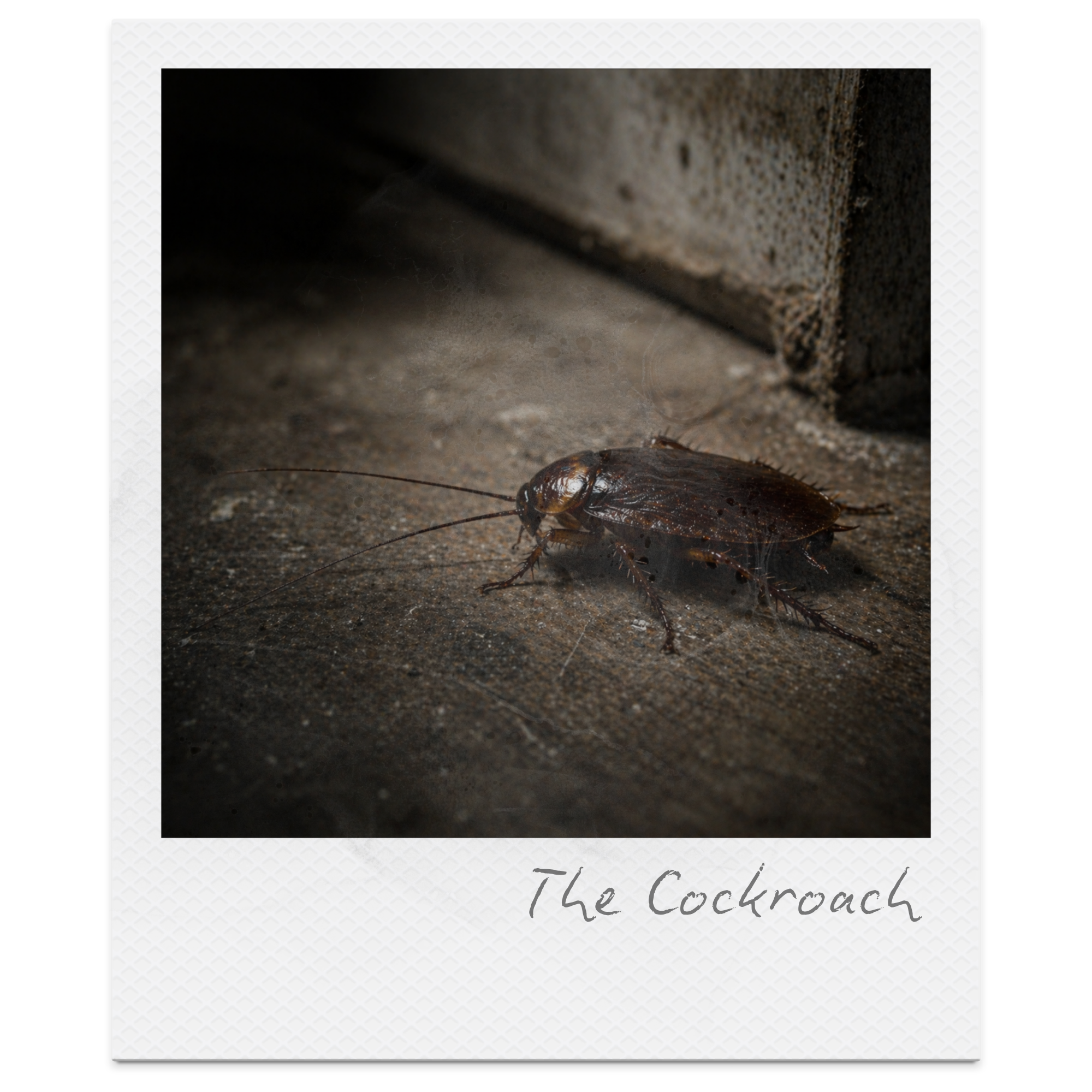
The Cockroach by Kevin Halligan: Summary, Themes & Analysis
Kevin Halligan’s The Cockroach explores identity, restlessness, and the unsettling nature of self-recognition through a close observation of an insect’s movement. The poem begins with a detached, almost clinical tone, as the speaker describes the cockroach’s behaviour in precise detail. At first, its movement appears controlled and purposeful, creating an illusion of order and direction. However, as the poem develops, this sense of control breaks down into increasingly erratic and circular motion, reflecting a deeper psychological unease. By the final line, the speaker recognises himself in the cockroach’s behaviour, transforming the poem into a reflection on human identity and uncertainty. This shift from observation to self-awareness creates a subtle but powerful sense of discomfort, leaving the reader questioning the nature of purpose and control.
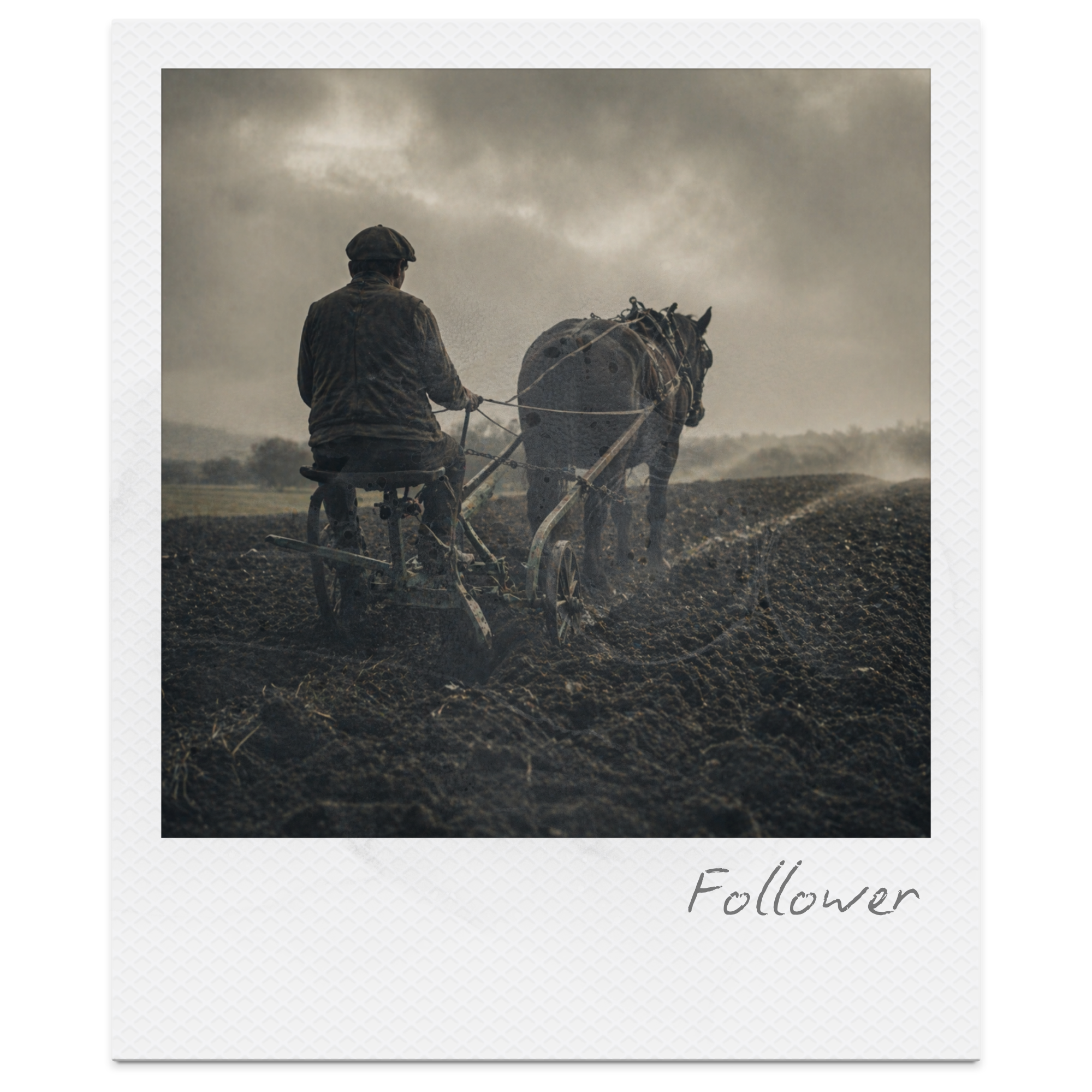
Follower by Seamus Heaney: Summary, Themes & Analysis
Seamus Heaney’s Follower explores admiration, identity, and the changing nature of family relationships through a reflective first-person voice. The poem presents the speaker’s father as a figure of strength, precision, and authority, using vivid imagery and controlled structure to elevate his skill as a ploughman. In contrast, the young speaker is portrayed as clumsy and dependent, creating a clear imbalance that reflects childhood hero-worship and the desire to imitate a parent. However, the poem’s meaning shifts in the final stanza, where Heaney introduces a subtle but powerful role reversal, revealing the father as the one who now “stumbles” behind the speaker. This transformation turns the poem into a reflection on time, ageing, and emotional complexity, as admiration gives way to a more unsettled awareness of changing roles. Through this contrast, Follower captures the tension between inheritance and independence, leaving the reader with a lasting sense of how relationships evolve over time.
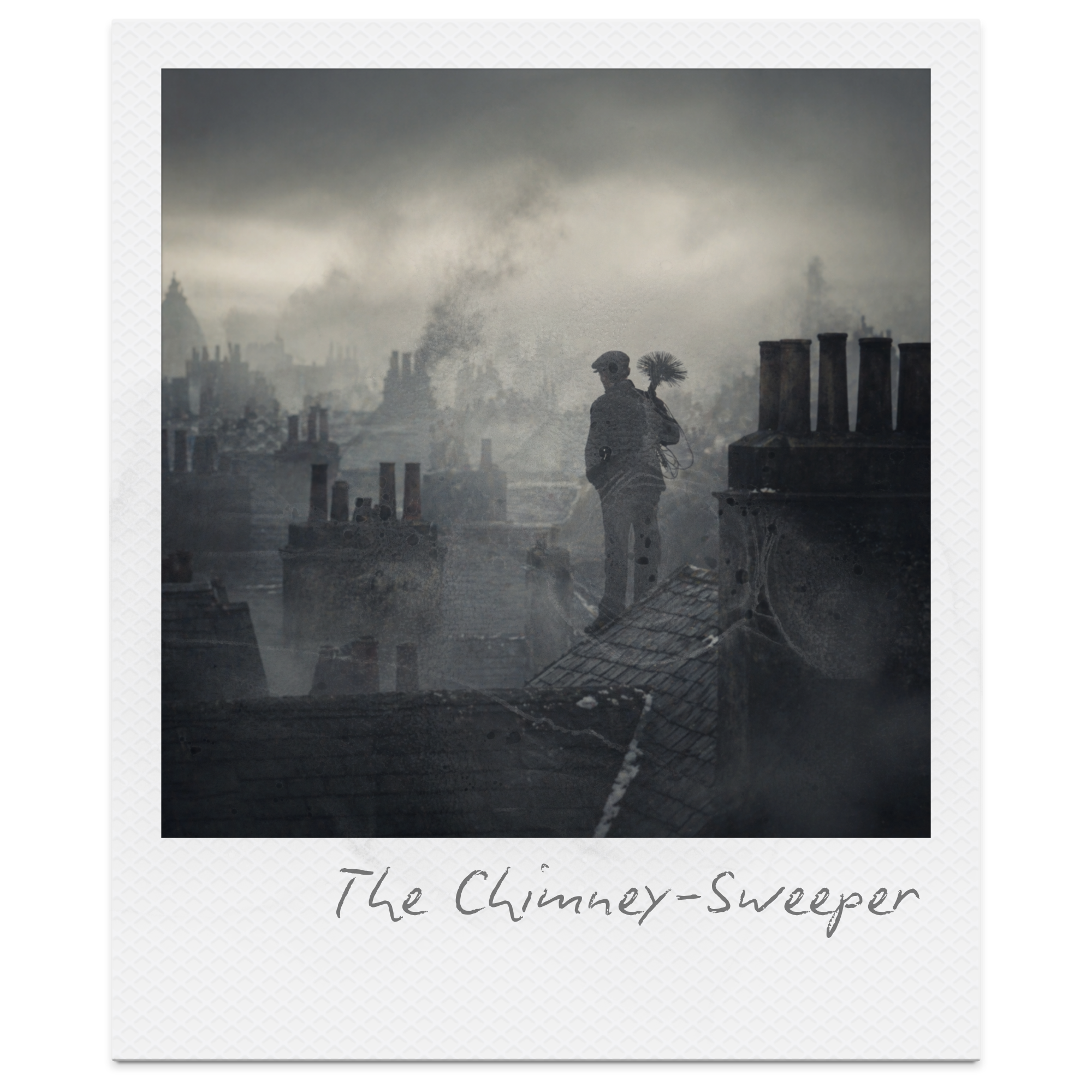
The Chimney Sweeper by William Blake: Summary, Themes & Analysis
The Chimney Sweeper by William Blake explores child exploitation, religious hypocrisy, and social injustice through the voice of a young chimney sweep. The poem contrasts innocence and experience, revealing how suffering is hidden behind appearances of happiness and morality. This analysis breaks down how Blake uses imagery, structure, sound, and irony to create meaning, helping students develop clear, method-focused responses for IGCSE Literature.
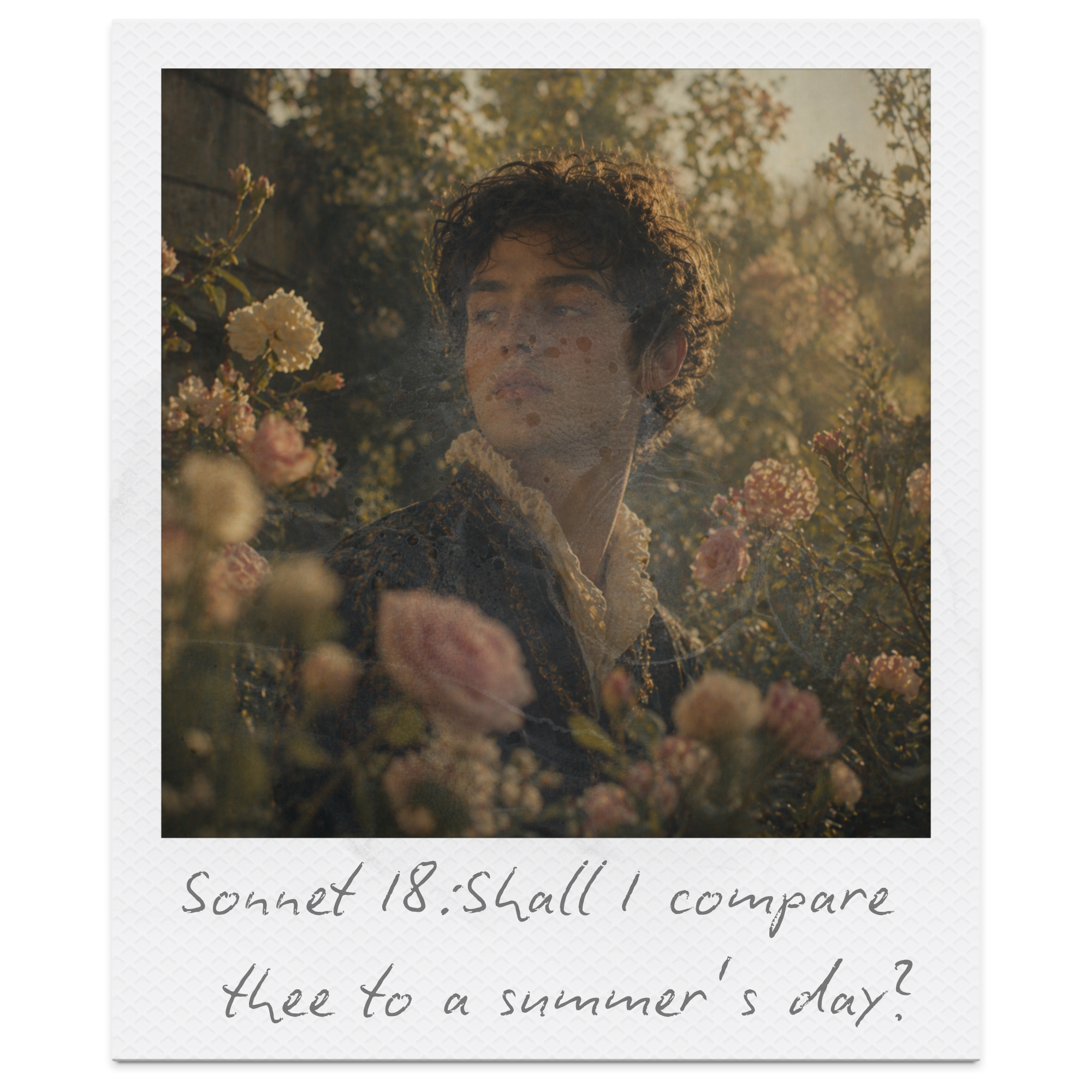
Sonnet 18 by William Shakespeare: Summary, Themes & Analysis of “Shall I compare thee to a summer’s day?”
Sonnet 18 by William Shakespeare explores the contrast between temporary natural beauty and the lasting power of poetry. Through a structured argument and a clear shift in tone, the poem shows how beauty fades in nature but can be preserved through language. This analysis breaks down how Shakespeare uses imagery, structure, and sound to present ideas about time, permanence, and legacy, helping students understand how meaning is created and how to write strong, method-focused responses.
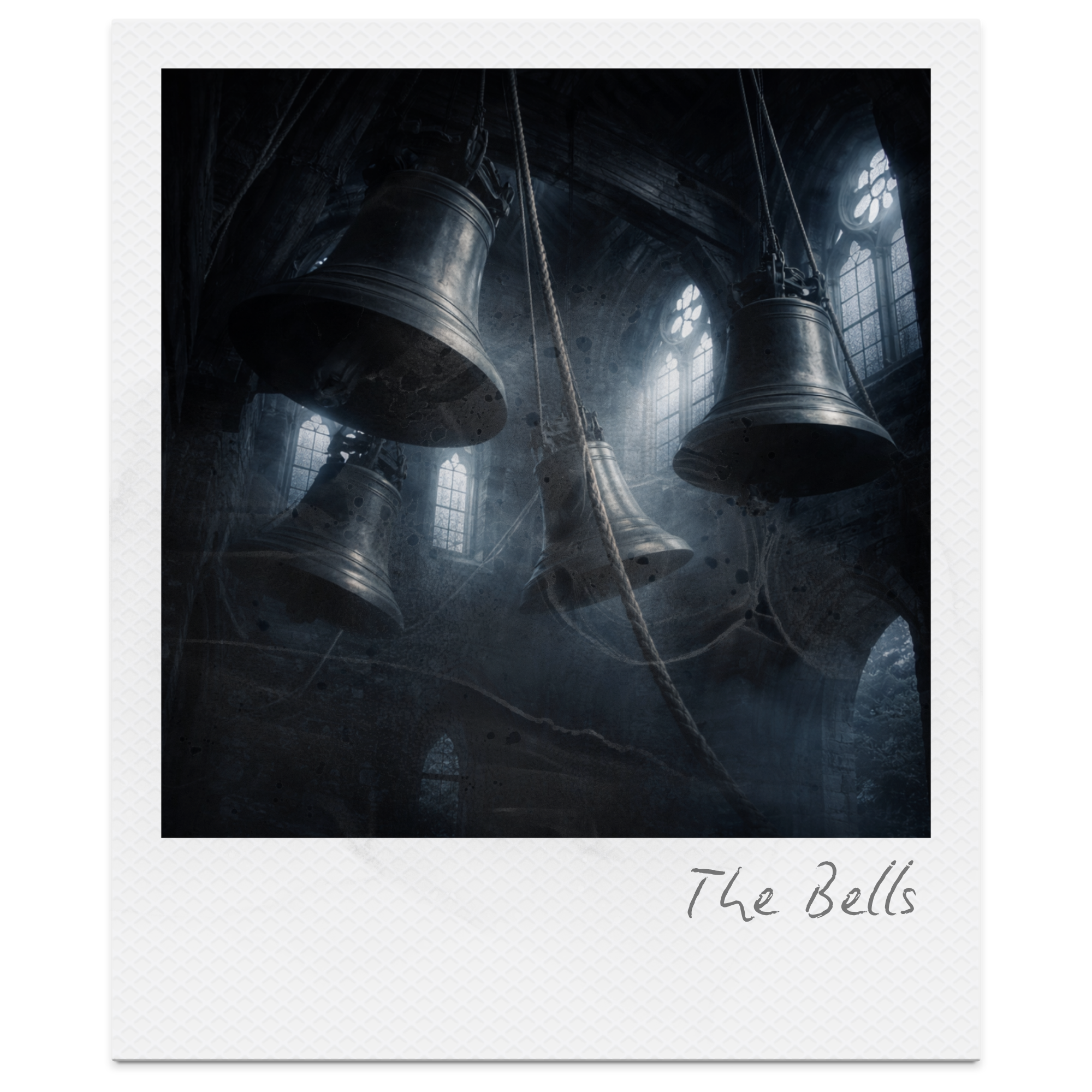
The Bells by Edgar Allan Poe: Summary, Themes, Meaning & Analysis
The Bells by Edgar Allan Poe explores how sound reflects the stages of human experience, moving from joy and harmony to chaos and death. Through its hypnotic rhythm and intense repetition, Poe transforms bells into symbols of time, emotional progression, and mortality, creating a poem that is as much heard as it is understood. Blurring the line between music and meaning, the poem builds from delicate “tinkling” to overwhelming “clanging,” mirroring a descent into psychological instability and loss of control. This progression invites multiple interpretations, from a life cycle narrative to a study of how sound shapes human perception.